
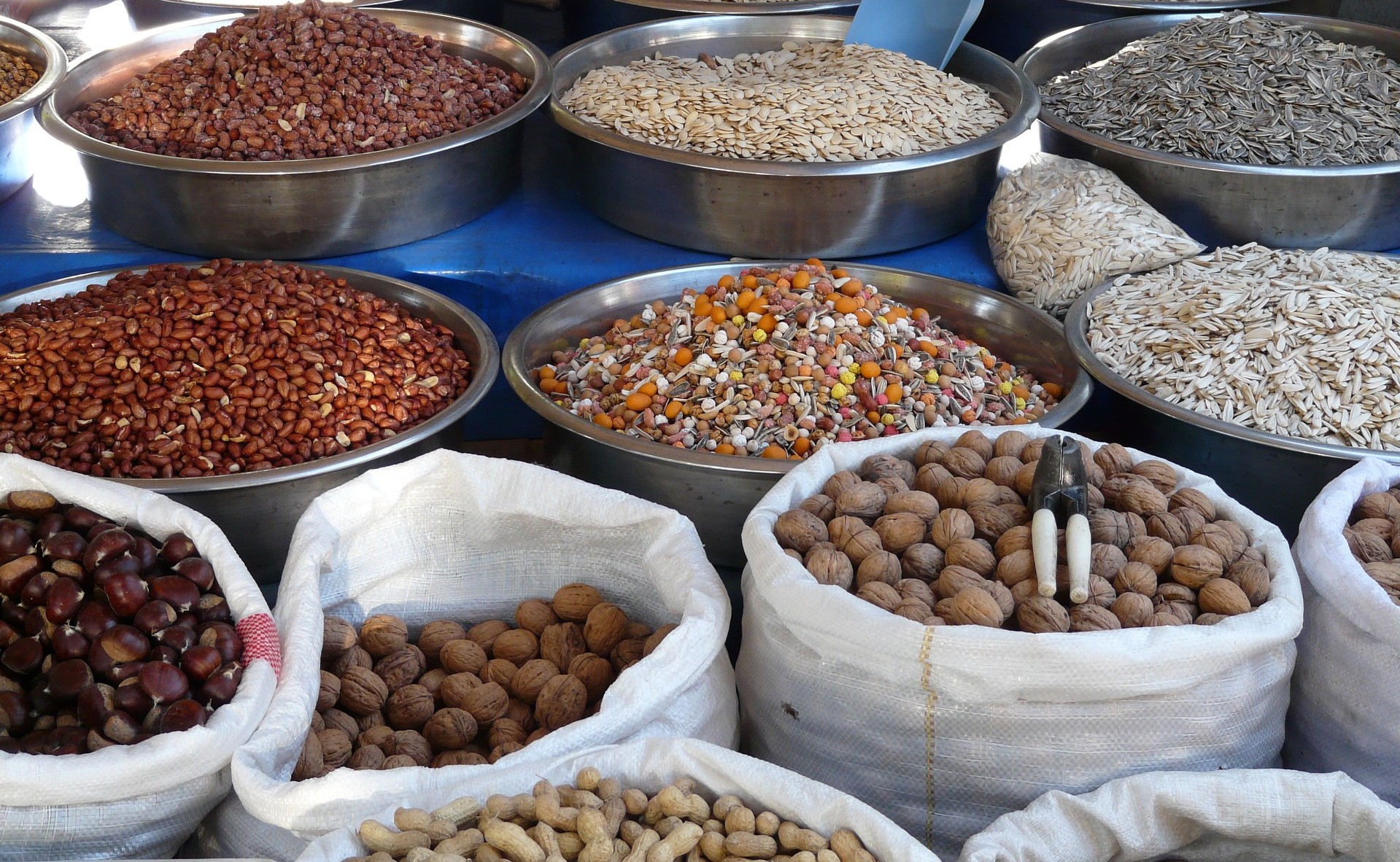
Nuts can be classified as seeds because they are the seeds of certain trees. Peanuts are often added to this type of food and, although they are seeds, they come from legumes, not trees. Furthermore, strictly speaking, nuts like almonds and cashews are actually drupes, seeds found inside fleshy fruits.
Regardless of the exact origin, there are high levels of nutrients in nuts and seeds across the board. Finding recipes to easily include them in your diet can be key to improving your health and overall well-being. Here’s why.
5 reasons to eat nuts and seeds every day
Part of the appeal of this type of food is the numerous health benefits of nuts and seeds. They are easy to add to a diet, regardless of your current health challenges or health goals.
Some people are reluctant at the thought of eating foods with such a high fat content, but not all fats are harmful. Moreover, your body actually needs fat for processes like vitamin absorption and hormone creation. However, if you consume healthy unsaturated fats instead of the fats found in most meat, it is much better.
For example, many nuts provide Omega-3 fatty acids known to help with the following:
- Reducing inflammation
- Nourishing blood cells
- Brain function
- Lowering bad cholesterol while raising good cholesterol
Since one gram of nuts, such as walnuts, provides more than the suggested daily requirement of Omega-3, it becomes much easier to regulate various important processes in the body.
The high fiber content is also part of the benefits of nuts and seeds. By increasing fiber intake, you can improve digestion and prevent constipation or loose stools. You will enjoy better gut health by slowing food digestion, which helps you absorb more nutrients from food and allows good bacteria to populate your gut. The result is having more energy because your body maintains satiety and blood sugar levels are less likely to spike.
Fiber can help you manage weight more easily by affecting calorie absorption and also becoming short-chain fatty acids (SCFA) after fermentation in the digestive tract. SCFAs provide health benefits, such as helping to prevent inflammatory diseases.
It is always important to increase antioxidant intake, and nut mixes contain many of these molecules that fight harmful free radicals. These atoms disrupt homeostasis and damage cells, which can cause disease but also accelerate body aging. Thanks to the increase of nuts in your diet, you will have more antioxidants that can “turn off” these atoms that damage your cells.
Moreover, you don’t have to wait long to start benefiting from changing your diet, because the effects of high antioxidant levels can be noticed within hours of consuming foods like nuts and seeds. For example, studies have shown a drop in bad cholesterol, simply after eating some pecan nuts.
Considering what nuts bring to the human body, it becomes clear why health professionals encourage the consumption of nuts and seeds. The body’s ability to fight certain conditions increases when there are more antioxidants, healthy digestion, and more balanced cholesterol. Consequently, instead of waiting to treat a disease in the future, take control of scenarios before they worsen, such as:
- Maintaining heart health
- Fighting inflammation that can develop into bigger issues
- Managing weight to prevent strain on joints and other health problems related to obesity
- Reducing the risk of developing type 2 diabetes
Simply by eating more nuts and seeds, a person can have more control and prevent unnecessary health problems along the way.
Although it is always important to incorporate exercise and healthy eating habits, nuts and seeds can make it a little easier to lose weight or at least maintain it. First, many people’s bodies do not absorb all the calories contained in nuts. So, enjoy a hearty snack without having to burn all the calories at the gym.
In many cases, you don’t need to eat less to control your weight, but simply change what you eat. Fiber-rich foods tend to keep you feeling full longer than other meals. Your nut snack will be welcome when you need energy, without negatively affecting your weight. It will also prevent hunger pangs and cravings, so there will be less chance you’ll reach for other unhealthy foods during the day.
How to include nuts and seeds in your diet
As mentioned, you don’t need many nuts to make a difference in terms of health, and even just 5 servings (1/2 ounce per serving) each week will be sufficient. For those who don’t like nuts, it’s easy to incorporate them into other dishes or find creative ways to make them tastier.
Use these tips when planning your menu to keep it interesting:
- Use nuts along with chocolate chips in your usual baked goods.
- Dishes based on red meat can give way to stir-fries that include nuts.
- Add texture to your salad by adding nuts instead of croutons.
- Use nuts as a topping for dishes rather than the traditional breadcrumbs.
- Toasted nuts are tastier, crunchier, easier to digest, and easy to prepare at home with raw nuts.
- Try a new gluten-free bread recipe made with almond butter.
Popular nuts you can eat every day
- Almonds
- Walnuts
- Peanuts
- Cashews
- Hazelnuts
- Pecans
- Pistachios
Popular seeds you can eat every day
Get the benefits of seeds by adding them to smoothies or baked goods. They are beneficial, even when consumed daily:
- Flax seeds
- Chia seeds
- Sesame seeds
- Poppy seeds
- Sunflower seeds
- Pumpkin seeds
- Psyllium seeds
The benefits of nuts and seeds are clear. From heart health to regularity, they have much of what your body needs. Taking responsibility for your health now helps prevent health problems in the future and makes implementing changes easier.