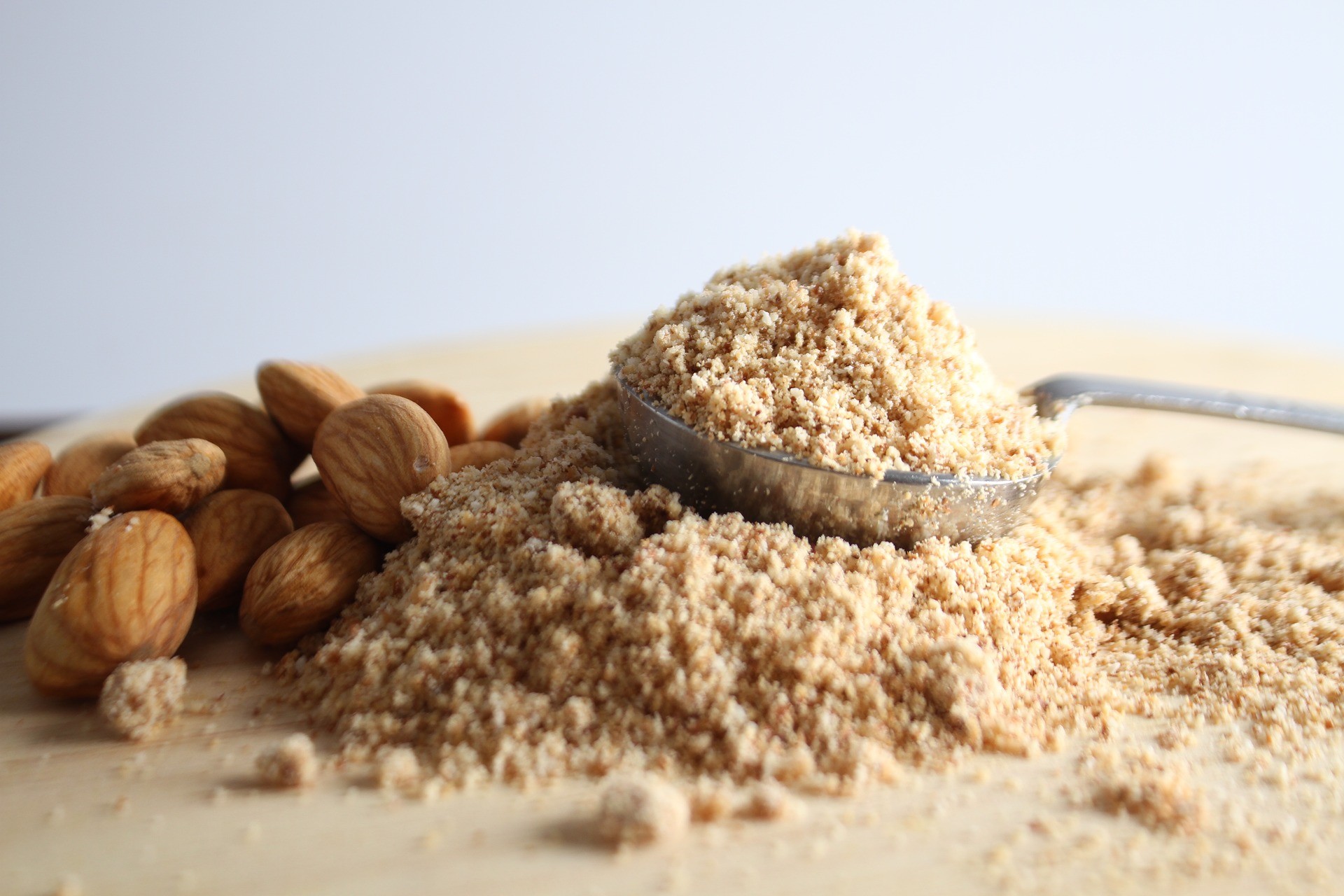
Almonds help fight constipation. Rich in potassium, magnesium, iron, calcium, and phosphorus. Beyond their highly energetic properties, almonds are also attributed laxative properties. Since ancient times, almond milk has been considered an excellent refreshing remedy for the intestines and bladder. Almonds are recommended in cases of malnutrition.
In addition to being highly nutritious, they are also a very balanced food, and their use is advised at certain times when the body particularly needs energy: pregnancies, convalescences, sports activities, intense physical and intellectual work.
They are one of the rare dried fruits with an alkaline effect on the body. They are an excellent source of fats and quality proteins for those who choose to consume less meat (or not at all), perhaps simply because they cannot access healthy and genuine meats, which are notoriously more expensive than those from devastating intensive farming.
The ideal diet provides a balanced intake of macronutrients (proteins, carbohydrates, and fats each at 33%). Almonds are an excellent source of natural magnesium and thus well assimilable. They lower bad cholesterol and fight diabetes.
Nutritional properties and benefits of almonds
The table below shows some of the fruits richest in vitamins and minerals, where you can verify the great usefulness of dried fruit. The numbers indicate milligrams (mg) per 100 grams of fruit.
BETA CAROTENE dried peaches 9.2 – dried apricots 17.6 – apricots 3.5 – melon 3 – grapefruit 1.3
POTASSIUM walnuts 690 avocado 450 bananas 370 kiwi 332 melon 314 apricots 298 figs 286 peaches 223 grapes 223 pineapple 196 grapefruit 184
VITAMIN C kiwi 98 strawberries 54 oranges, lemons 50 tangerines 42 grapefruit 40 melon 32 raspberries 25 persimmons 23 apricots 13
VITAMIN E walnuts, almonds, hazelnuts 21 cashews, peanuts
Source: CaNaRa (National Research Council) University of Catania
Rich in nutrients, the almond is a small health treasure chest due to its high content of vitamin E, unsaturated fats, plenty of magnesium, calcium, and good-quality vegetable proteins.
- It is energizing, anti-inflammatory, helps bone calcification during pregnancy and menopause, relieves menstrual disorders and is a healthy and tasty natural antidepressant.
- The triple amount of Vitamin E. The Vitamin E content of Pizzuta d’Avola (214.25 ppm) is three times that reported in U.S. scientific literature for almonds in general (73 ppm). (source USDA Nutrient Laboratory Database, Release 1)
Vitamin E is an important antioxidant: it protects fats from oxidation, promotes vitamin A utilization and hemoglobin synthesis, and serves as an aid against atherosclerosis and male sterility, helping maintain prostate health. - A lifesaver for the heart. The lipid fraction, accounting for 56.3%, represents the most significant nutritional component of the Pizzuta d’Avola almond. It is composed of as much as 90% polyunsaturated fatty acids, better known as Omega fats, and monounsaturated fatty acids (like those in olive oil), which make them particularly useful in preventing cardiovascular system disorders. Vitamin E, which plays a determining role in reducing the risk of heart attacks, together with unsaturated fats, helps reduce the growth of atherosclerotic plaque in arteries.
- Drier means healthier. The low moisture content of the Pizzuta cultivar, equal to 3.45%, is due to the fact that it is not irrigated in any way. This limits the attack of various types of parasites, including the dangerous Aspergillus fungus. Under high humidity conditions, this parasite produces aflatoxins, which are strongly carcinogenic and affect mainly irrigated cultivars such as those from California, whose soft shell does not seal the seed well and does not protect it from parasites.
- Amygdalin against tumors. Amygdalin is a fundamental component in determining the healthiness of the almond. The scientific community has recently hypothesized a potential antitumor property of this molecule, due to the presence in neoplastic cells of an enzyme that splits amygdalin with the formation of cyanide, which in turn is lethal to the tumor cells themselves.
Almonds can therefore be considered a complete food, less fatty than walnuts, but possessing greater stimulating and healing properties. It is probably the most suitable milk for weaning babies. It is difficult to compare with breast milk, because the latter constantly changes.
In the first days of lactation, the lipids present in breast milk reach markedly lower concentrations than cow’s milk, then stabilize at only slightly lower values. However, the bioavailability of these lipids is very different, since at one week of life only 60% of those present in cow’s milk would be absorbed, against 90% of maternal lipids.
Essential and polyunsaturated fatty acids are contained in greater quantity in human milk. It is important to note that the fat concentration tends to increase in breast milk towards the end of the feeding, inducing the baby to feel satiated. This does not happen with artificial feeding, given that these milks maintain the same composition from the start to the end of feeding, excessively stretching the stomach walls and causing babies to eat more than necessary.