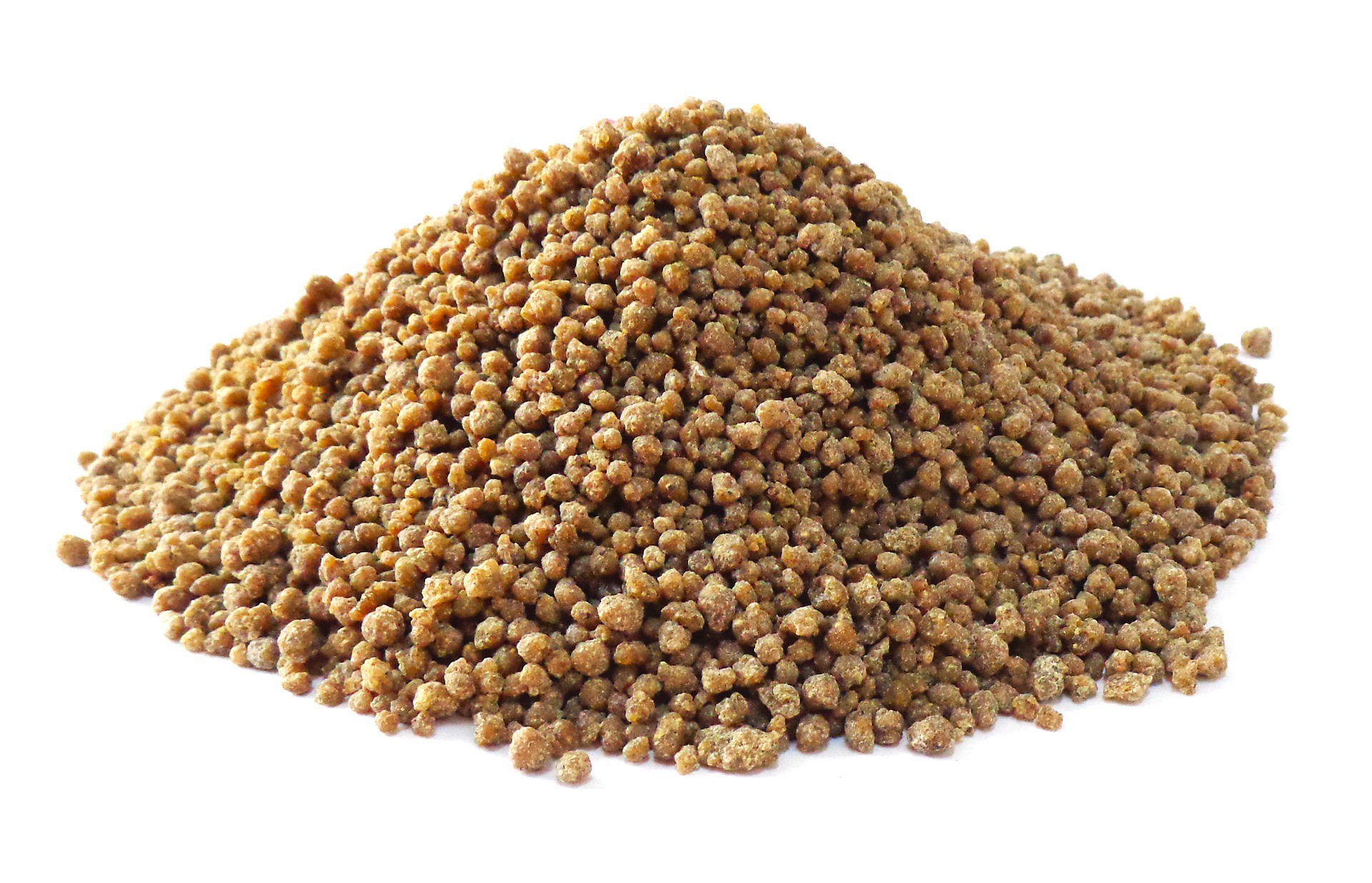
Millet is a prehistoric cereal native to Western Asia. Around 3000 BC, wheat had arrived in China where it became one of the five sacred cereals. Of the many varieties of the genus, common millet reached Europe around 200 BC where it took its name, which in Old English meant “cereal”.
It was used as a cereal for human consumption and for animal feed. Millet has also been found in North Africa and continues to be a staple food in many countries on the continent. It was used in the preparation of unleavened bread and the Indian flatbread known as roti. The main global producers of wheat are India, China, and Nigeria. Millet is a highly nutritious cereal that has made its way into recipes as a valuable addition to the diet.
Known as bajra or ragi depending on the variety, millet is an important Ayurveda grain because it is considered sweet, warming, drying, and light and used in excess in Kapha dosha. Depending on how it is prepared, millet can be a tridoshic cereal. Holistic healers use it because it has a high content of vitamins and minerals and is a good source of fiber and protein.
Benefits and Properties of Millet
- Thanks to the copper and iron content in millet, it helps in the production of red blood cells; therefore, it helps oxygenate the body and reduce the presence of, and cure, anemia. With the presence of phosphorus, it also helps to control blood pressure.
- Millet reduces the risk of type 2 diabetes due to its high magnesium content. This mineral acts as a cofactor for more than 300 enzymes, including those essential for glucose and insulin secretion. It also rebalances blood sugar levels.
- Millet has a high content of calcium and vitamin D, resulting in support for bone health. It is ideal for children’s growth by strengthening the developing skeletal system and reducing the incidence of fractures. It also prevents bone deterioration in the elderly, reducing the risk of osteoporosis.
- There is an abundance of antioxidants in millet that are beneficial to the body in many ways. They are natural sedatives, relaxing the body and allowing restful sleep, essential for cellular repair and growth in children. A primary antioxidant is tryptophan, which increases serotonin levels in the body, resulting in reduced stress that leads to illness, depression, hypertension, and migraine.
- Millet is rich in B vitamins essential in many body functions. They help efficiently break down carbohydrates and fats. They contribute to reducing homocysteine levels in the bloodstream, helping to prevent the buildup of cholesterol deposits. Niacin, in particular, prevents cholesterol from entering the circulatory system and increases high-density lipoprotein (HDL) levels. Adding millet to the diet in turn reduces the risk of stroke and heart disease.
Millet is available in health food stores, packaged and in bulk. It can be used as flour, cereal, or broken as in couscous. There are many other health benefits contained in millet, and it is recommended to add it to the diet to help keep the body healthy and strong.