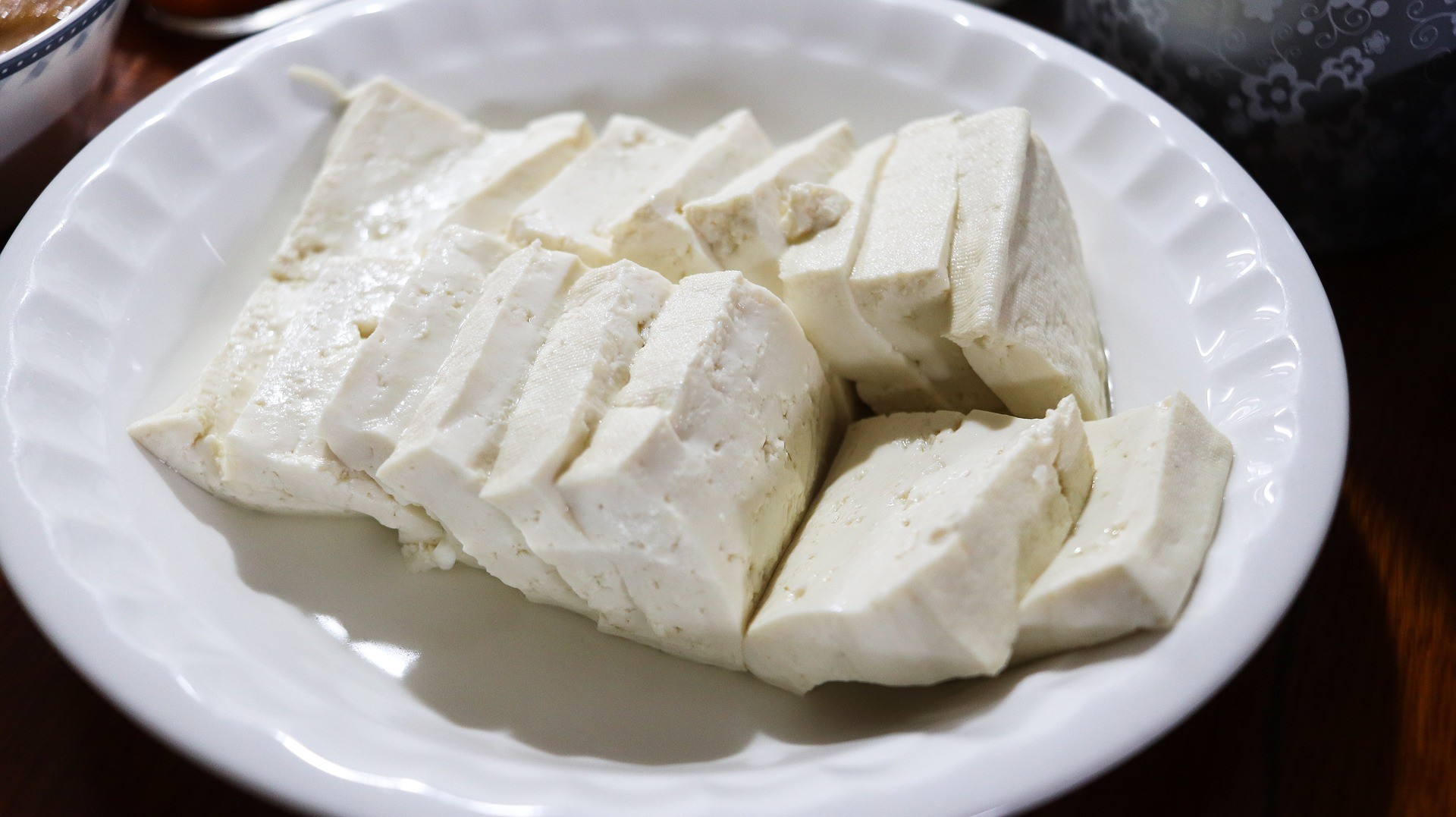
Tofu is a popular food derived from soybeans. It is obtained by curdling fresh soy milk, pressing it into a solid block, and then cooling it, much like traditional dairy cheese is made by curdling and solidifying milk. A staple ingredient in Thai and Chinese cuisine, tofu can be cooked in many different ways to change its texture from smooth and soft to crispy and crunchy.
There are different types of tofu, ranging from soft/silken tofu to super firm tofu. The type of tofu you choose depends on the intended use as silken tofu is regularly used for desserts, soft tofu can be used in casseroles as well as soups, and extra-firm tofu can be fried or roasted.
Properties and benefits of tofu
Regarding its nutritional value, as mentioned, tofu is extremely rich in protein, including all essential amino acids. Additionally, this vegan superfood is low in calories and contains iron, manganese, magnesium, calcium, selenium, potassium, vitamin B6, vitamin K, and vitamin C.
That said, tofu also contains several antinutrients. However, soaking or cooking soybean seeds before the tofu production process can help remove antinutrients.
- Source of protective antioxidants. Soy products like tofu contain natural compounds called isoflavones; these are powerful antioxidants and as such help minimize damage known as oxidative stress caused by molecules called free radicals. This oxidative stress is involved both in aging and the onset of a range of chronic diseases. Soybeans are particularly rich in isoflavones and provide other active plant compounds, such as saponins.
- Heart-protective properties. Heart disease is still the leading cause of death worldwide. However, changing your diet is one of the best ways to reduce the risk of such disease, particularly by including tofu in your diet.
- May ease menopausal symptoms. Isoflavones are often also described as phytoestrogens; this means they mimic a weak form of the hormone estrogen in the body, and some women find that it helps with peri-menopausal symptoms such as mood swings and hot flashes.
- Source of “complete” plant protein. Soy, including tofu, is a useful source of plant protein, providing all nine essential amino acids we need for growth, repair, and immune function. The digestibility of soy protein, which refers to how well our bodies can utilize the protein, is good, with some studies suggesting it may even be comparable to that of animal proteins.
- May reduce the risk of certain cancers. According to research, tofu may help reduce the risk of breast, digestive tract, and prostate cancers.
- Protects bone health. As mentioned, tofu contains manganese, calcium, and phosphorus, three nutrients that can help protect bone health by reducing the risk of bone loss.
- Improves brain function. Soy products contain lecithin, and this compound helps the body produce chemicals called phosphatidic acid (PA) and phosphatidylserine (PS), two chemicals that play a vital role in neuron function.
- May support blood sugar management. A study on a postmenopausal woman who consumed 100 mg of soy isoflavones daily showed a 15% reduction in fasting blood sugar levels and a 23% reduction in insulin levels. Similarly, postmenopausal diabetic women who supplemented with isolated soy proteins saw reductions in fasting insulin levels, insulin resistance, and improvements in cholesterol management.
Contraindications of tofu
Tofu is generally recognized as safe for most people, unless you have a soy allergy, in which case it should be avoided. Soybeans are also considered goitrogenic, meaning they interfere with thyroid gland activity. Although in practice this effect may be minimal, if you have a thyroid condition, you might want to minimize your intake.
Tofu and other soy-based products contain oxalate; people with a history of calcium oxalate kidney stones may choose to avoid excessive consumption of soy products. However, studies suggest that soy products containing some oxalates and moderate amounts of phytates may actually be beneficial for patients with kidney stones.
Soy consumption has become controversial in recent years, with some animal studies suggesting a link to certain types of cancer. Supporting food safety, the European Food Safety Authority concluded that soy isoflavones do not adversely affect the thyroid, breast, or uterus in postmenopausal women.
Soy contains antinutrients, including trypsin inhibitors and phytates, which may inhibit our absorption of some of the bean’s valuable nutrients. Soaking or fermenting soybeans before cooking can minimize these compounds, which is why choosing traditional soy products like tempeh and miso can provide superior nutritional value.