



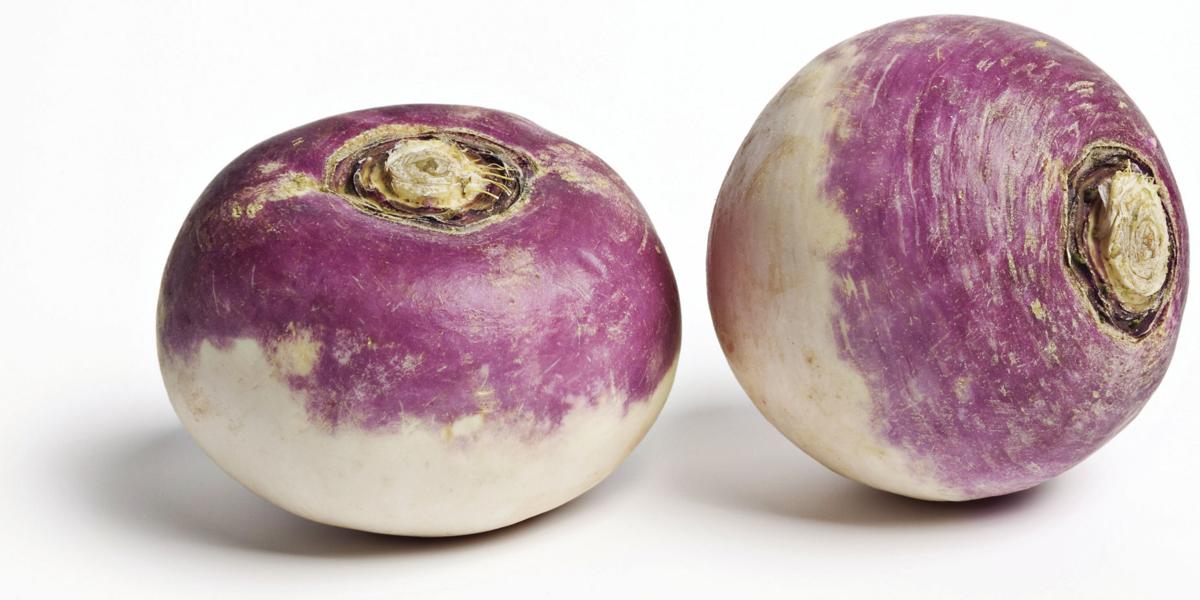
The rutabaga (also called Swede) is a vegetable that enhances the taste of dishes, and many cultures incorporate it into staple foods or national delicacies. Rutabaga is a healthy alternative to potatoes and is low in carbohydrates. It also provides a wide range of minerals and vitamins beneficial to overall health. It has the shape of a large turnip with yellower flesh.
It can be somewhat bitter if eaten raw but becomes sweet when cooked. The root vegetable is packed with healthy nutrients like potassium, calcium, iron, and zinc. It also contains antioxidants including glucosinolates, compounds that may reduce tumor growth, and vitamin C and carotenoids that counteract free radicals. They are rich in fiber and low in calories. In cooking, it can be treated the same way as a potato.
Beneficial Properties
- Antitumor Properties. Perhaps the most important function of rutabaga relates to its diverse composition of antioxidant compounds.
- Rutabagas effectively prevent premature aging, improve vision and stimulate healthy cell regeneration.
- Digestion. Rutabagas are very rich in fiber, providing more than 12% of the daily requirement in each serving.
- Immune System. Vitamin C is the main vitamin present in rutabagas and a single serving contains more than half the daily recommended dose of vitamin C, which is essential for many body processes, including stimulating the immune system to produce white blood cells.
- Blood Pressure. The potassium content can help lower blood pressure by reducing stress and contraction of blood vessels.
Other health benefits include the prevention of osteoporosis and diabetes, improving enzymatic function, boosting metabolism, and weight loss.

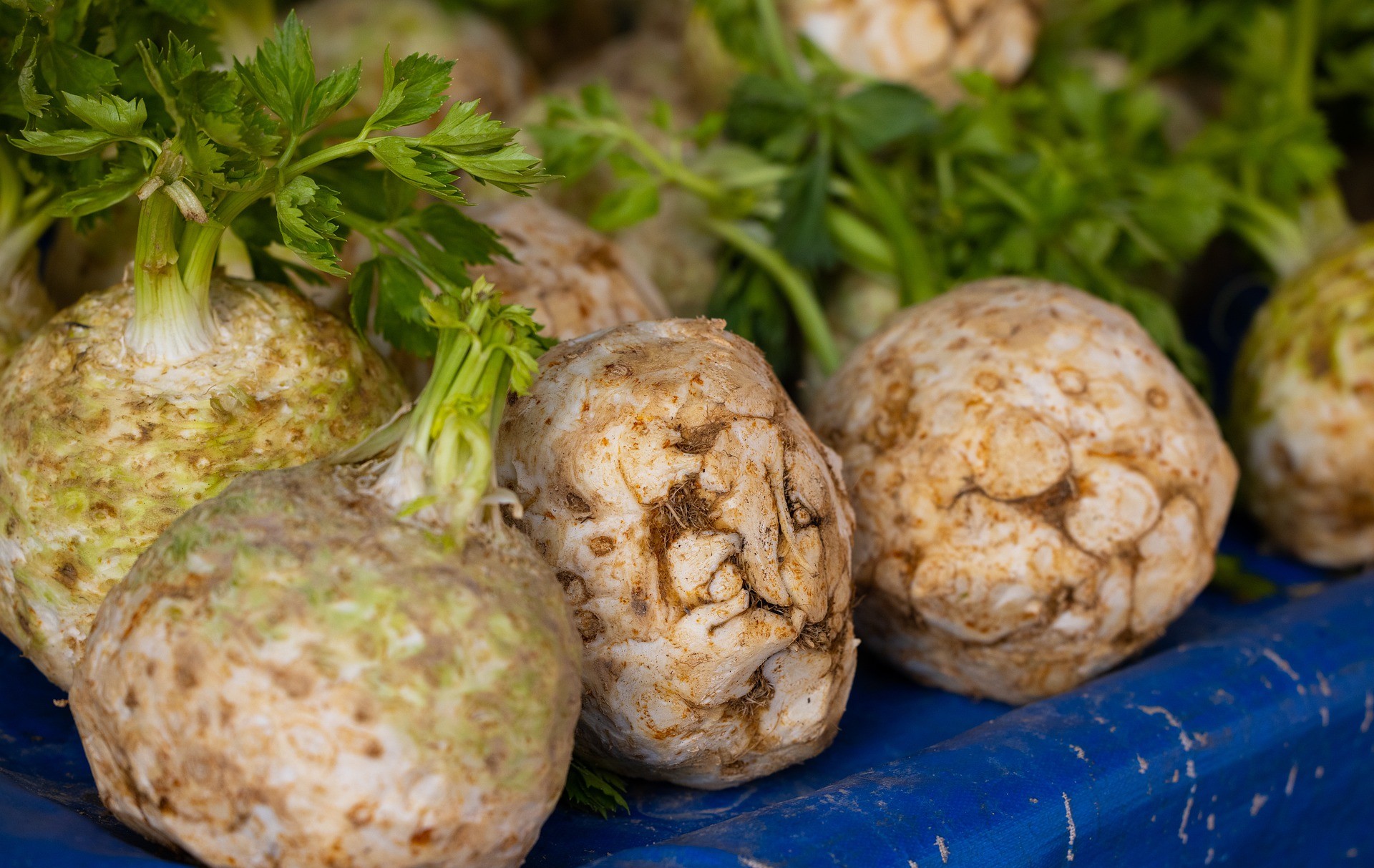

 is a vegetable that enhances the flavor of dishes, and many cultures incorporate it into staple foods or national delicacies.)