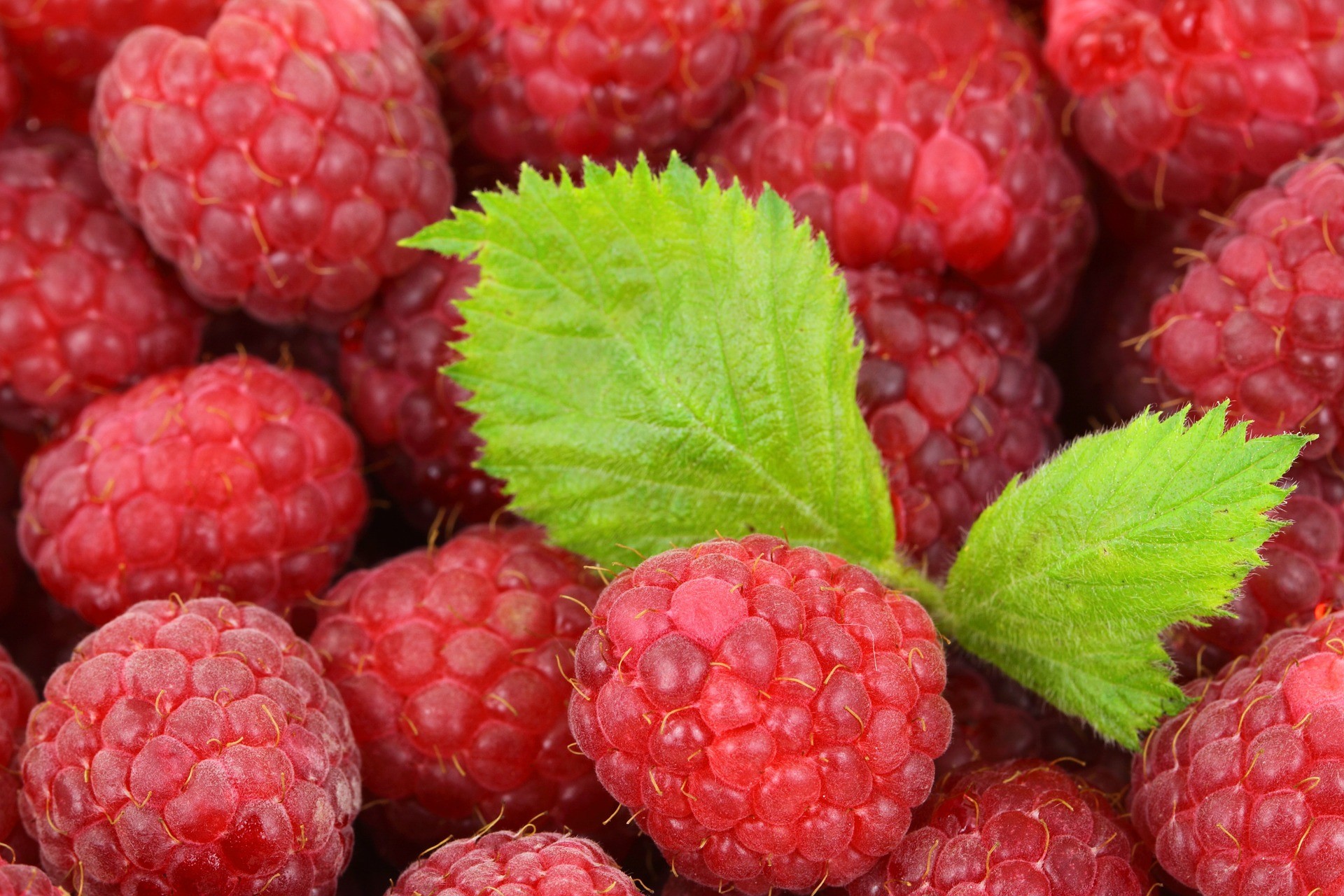
Raspberries are good all year round, fresh or frozen. These beautiful gems are not only delicious and versatile. Raspberries have a nutritional profile that makes them one of the healthiest choices in the produce section.
One cup of raspberries provides over 50% of the minimum daily target of vitamin C , which supports immunity and skin health and helps produce collagen. Raspberries also contain manganese and vitamin K, both of which play a role in bone health. They also provide smaller amounts of vitamin E, B vitamins, magnesium, copper, iron, and potassium.
Health benefits of raspberries
They are low in sugar
Raspberries are one of the lowest sugar fruits, with only 5 grams per fresh cup compared to about 20 grams in a medium apple. This makes them a great option for anyone with a sweet tooth who wants to minimize overall sugar intake.
They are rich in anti-aging antioxidants
Raspberries are powerful antioxidants. These health-protective compounds have been linked to lower rates of heart disease, cancer, diabetes, and obesity. Raspberry antioxidants also help reduce inflammation, a known trigger of premature aging. The natural protective substances in raspberries are also linked to better DNA repair and blocking enzymes that trigger arthritis pain.
They may protect you from cancer
Raspberry antioxidants and anti-inflammatory compounds are associated with cancer protection by reducing tumor cell reproduction. However, research also shows that phytochemicals in raspberries, such as ellagitannins, may actually help kill tumor cells by signaling apoptosis or programmed cell death.
Raspberries are high in fiber
One cup of raspberries packs a full 8 grams of dietary fiber, one-third of the minimum daily goal. This high fiber content also reduces the net carbohydrate content of raspberries to about 7 grams per cup (since our bodies cannot digest and absorb fiber). That fiber also contributes to fullness, moderates blood sugar by slowing digestion, and supports good digestive health. Raspberry fiber also helps beneficial gut bacteria thrive. These are linked to stronger immunity and more positive mood.
They may help prevent diabetes
A new study from the Illinois Institute of Technology randomly assigned 32 adults aged 20 to 60 to three breakfast meals. Each meal was similar in calories and macronutrients but had different portions of frozen red raspberries: one meal contained no raspberries, the second included one cup, and the third provided two.
Researchers found that for those at risk of diabetes, eating more raspberries reduced the amount of insulin needed to manage blood sugar levels. In fact, blood sugar was lower in those who drank two cups of red raspberries than in those who ate none.
Raspberries sharpen the brain and memory
Raspberries help counter oxidative stress, which is essentially an imbalance between the production of cell-damaging free radicals and the body’s ability to fight their harmful effects. Since oxidative stress is a causal factor in diseases like Alzheimer’s and Parkinson’s, raspberries are a highly supportive food for the brain. Flavonoids in berries have also been shown to enhance coordination, memory, and mood. And berries assist with the brain’s overall “cleaning” by removing toxic proteins linked to brain dysfunction.