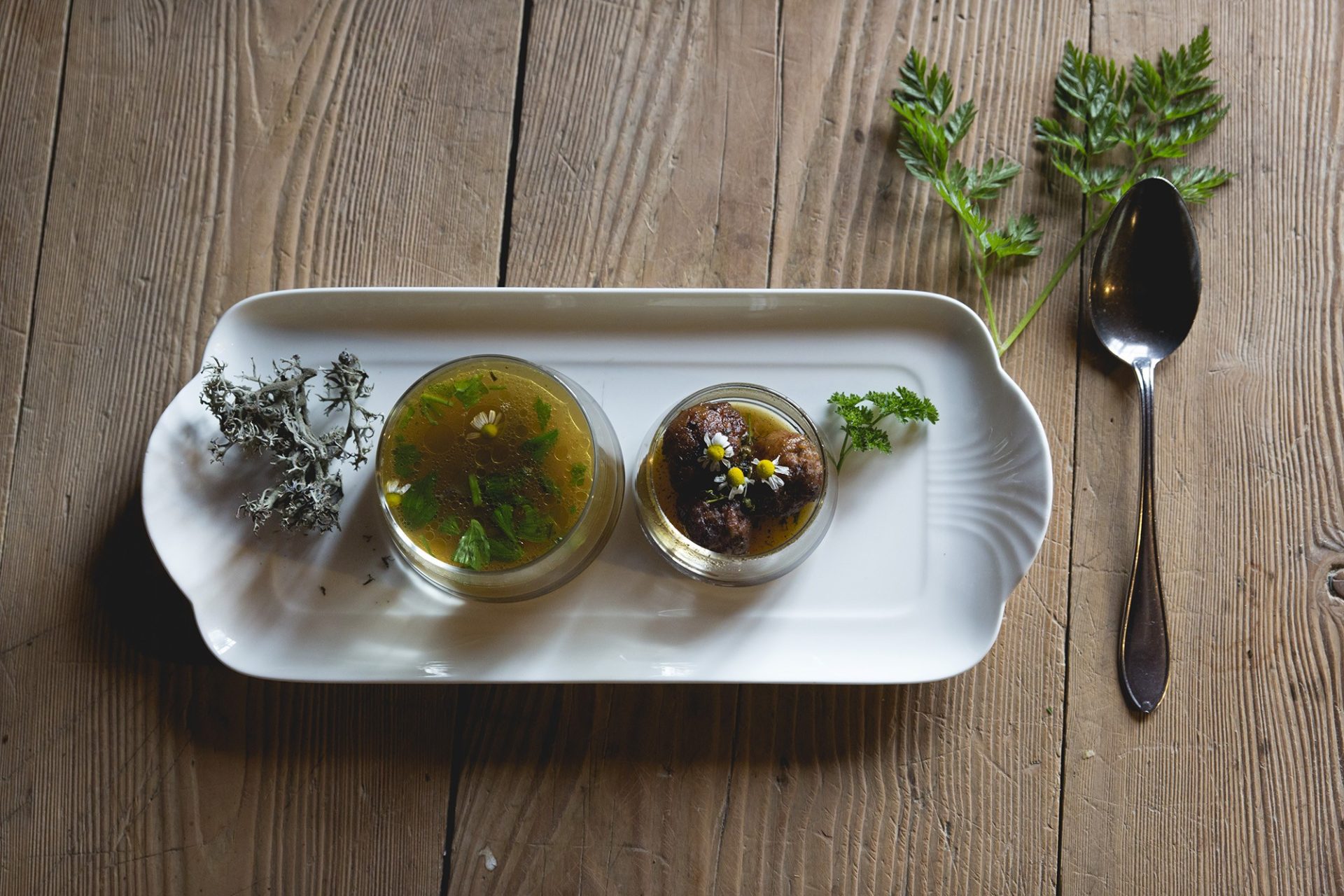

In the Austrian Tyrolean region, at the heart of the Alps, great attention is given to natural flavors and to the use of fresh herbs picked from the local nature in the kitchen. A wide variety of offerings revolves around this ancient Tyrolean tradition: large and small culinary events, themed hikes and visits to botanical gardens, but also workshops to learn ‘foraging’, which is the art of gathering food from nature and bringing herbs from the earth to the table.
The encounter with the flavors and the gastronomy of Austrian Tyrol happens in many ways, all simple and natural, just like its essence. Every moment of the day is filled with taste and flavor: during a mountain hike or a city event, strolling through a market or a botanical garden, visiting a dairy or a speck producer, or at a mountain hut while relaxing after sports activities. Love for the land is the driving force behind tradition, from animal husbandry to agriculture. And at the table, from the very first taste, diners embark on a journey into nature, rich in flavor and pleasure, but also in discovery and conviviality.
Tyrol: knowing herbs and how to use them, cuisine, and herbalism
Most people, when faced with a blooming meadow, don’t realize the potential hidden within. Nature offers such a great variety of herbs and flowers, with beneficial properties and fresh, intense aromas, to be used in a thousand ways—in the kitchen as well as for body care essences. Recognizing and transforming them isn’t quite so natural. The ideal is to turn to the experience of expert gatherers and herbalists, for example, by walking with them along a herbal hiking trail or joining a workshop about natural cooking or medicinal plants. Here are a few examples.
In the Stubai Valley, Sandra Schönherr, owner of Auffangalm hut, is a certified herbalist who knows everything about the region’s beneficial plants: she grows them in her own garden and uses them in her delicious dishes. Sandra Schönherr’s herbal laboratory and garden are open to visitors, and afterwards, beneficial oils, honey, and aromatic vinegar are prepared following her advice. From the center of Milders, an easy trail through a field of aromatic herbs leads to Auffangalm hut in about two hours.
In Reith in Alpbachtal, a simple walk through Hildegard of Bingen’s Garden is enough to relax and unwind. With initiative and dedication, in 2011, a group of women from Reith began cultivating this 900-square-meter botanical paradise, following the teachings of German nun Hildegard of Bingen. In the silent garden, small wooden signs illustrate the effects of different plants: quince is good for heartburn, plantain soothes insect bites, lemon balm relaxes the stomach. The plants are classified according to their benefits so that visitors immediately know which herb is best suited to care for various parts of the body: breathing, joints, mood, skin, heart, and liver. The garden is open to the public and guided tours are organized every Wednesday.
Other enchanting gardens and vegetable plots to visit in Austrian Tyrol are: Lechtaler Kräuterhexen, open for guided tours and seminars on natural medicine and cooking, and the Zammer Kräuterhex herbal world in Landeck. Herbal teas, jams, and syrups, as well as soaps and creams, are some of the products made here. Herbalist Michaela Thöni-Kohler offers courses, seminars, and workshops—even personalized—on the topic of wild herbs for food and medicinal plants.
In Kufsteinerland you can go herb picking with herbalist Maria Bachmann, during a guided one-hour walk along the 3-kilometer panoramic herbal trail. It is an experience for all the senses, where Maria Bachmann shares her knowledge with visitors and explains harvesting techniques. The herbs are then processed together at the Aschinger Alm hut, at an altitude of 1,000 m, to produce wellness elixirs.
Tyrolean Cuisine, only natural flavors
The Kräuterwirtshaus Strumerhof restaurant in Matrei, Osttirol, is not only a mountain farm at 1,451 meters overlooking the Hohe Tauern National Park, but also an excellent restaurant where you can try Anna Holzer’s natural-flavor cuisine. This charming lady, affectionately nicknamed the “flower witch,” serves up a feast of natural flavors and cooks typical Tyrolean dishes (including meat and fish-based options) seasoned with herbs from the region. Among her specialties are: nettle dumplings, meadow-laced lasagna, hay-roasted lamb, floral semifreddo, elderflower sorbet, and much more. Her domain is the “Stadl,” a plant paradise where she cultivates her herbs, open to visitors every day in summer.
The Sagenschneider’s Herb Farm is located not far from Ried in the Oberinntal (the same region as Michael Ploner). Elisabeth Maaß is the hostess and, with her aromatic and medicinal herbs, represents the main attraction of the farm. Guests are delighted as soon as they enter and are enveloped by the spicy scent of dried herbs. Those who decide to spend a holiday at the Sagenschneider’s agritourism discover the infinite potential of plants: from healing ointments to exquisite herbal teas, intoxicating spirits to beneficial baths. Additionally, many homemade products are served at the agritourism: butter, yogurt, milk, eggs, beef, pork, and turkey, all raised on site.
From the fragrant Tyrolean pastures, a noble milk
The cows of the Lechtal provide every day a very precious milk used in the production of Lechtal natural milk cheese. To taste this dairy specialty and discover its secret of goodness, a hiking route leads, whether on foot or by bike, across the Lechtal pastures to the Sojer Cheese Dairy. Experts even notice the difference in the cheese’s appearance, which is noticeably softer and more yellow. Thanks to direct processing steps, the precious fatty acids and aromas are preserved intact.
The variety and freshness of the alpine herbs eaten by cows on the Paznaun Valley pastures also give rise to the characteristic flavor and excellent quality of Paznauner Almkäse cheese. To learn about the ingredients, climate, and production methods of this specialty, the best way is to take the Paznauner Almkäse Genussroute and visit the Almmuseum Alpe Dias in Kappl. During the summer months, on Thursdays and Fridays, there is an opportunity to watch the cheesemaker at work and taste milk, cheese, and butter. The Paznauner Almkäse is also available in taverns, at markets, and among the farmers of Paznaun.
In Tirol West, chocolatier Hansjörg Haag creates his delicacies using only mountain pasture milk from gray alpine cows and ingredients from the region, such as lingonberries, spirits, or mountain mint from the Venet. At the Gogles Alm hut, in the Kaunergrat nature park, Haag demonstrates the chocolate-making process to visitors, providing interesting details and tastings. Hikers savor the taste of the noble gray alpine milk and fresh cream that, together with cocoa beans, are the key ingredients that make Tiroler Edle chocolate so special.
Natural Tyrolean cuisine: not only herbs
The KochArt Festival in St. Johann in the Kitzbühel Alps. The street food event where you can taste regional specialties reinvented in an international and gourmet style.
It takes place all summer from April to October every first weekend of the month in St. Johann in Tirol, from 10 a.m. to 5 p.m. in the main square, and every two Saturdays a month from 10 a.m. to 2 p.m. in the city of Kitzbühel. The chefs of the KochArt association in the Kitzbühel Alps take to the streets with their food trucks to offer dishes made strictly from regional products, such as trout fillet poached in tomato broth, radish soup with wild herbs and radish strudel, or lamb shank cooked with corn. This festival is especially good and unique because every food is presented with a complete label stating the origin of the ingredients, production methods, and company certifications.
The 25th Cheese Olympics in Galtür in the Ischgl-Paznaun Valley. Taste award-winning cheeses!
On September 28, 2019, the village of Galtür will host the 25th International Almkäse Olympics (the mountain cheese) with an audience of 3,000 guests, all cheese lovers. More than 100 dairies from all over the Alps (Austria, Germany, Italy/South Tyrol, and Switzerland) compete in five different categories to win the golden milk harp. The quality criteria are regional ingredients, production methods, appearance inside and out, consistency, and taste. A children’s jury also helps to choose the best cheese.
Tirol Werbung
Maria-Theresien-Str. 55
6020 Innsbruck, Austria
Tel: +43 512 7272-0
info@tirol.at