Corn traces its origins back 9,000 years. It was an important aspect in the Aztec civilizations of Central America. Regular consumption of corn is super healthy. It is enough for the body to obtain the necessary amount of vitamins. The cereal harvest protects the heart and body from various diseases. One of these is diabetes. People who eat corn every day get 22% more healthy fiber, essential for a healthy diet, for the body.
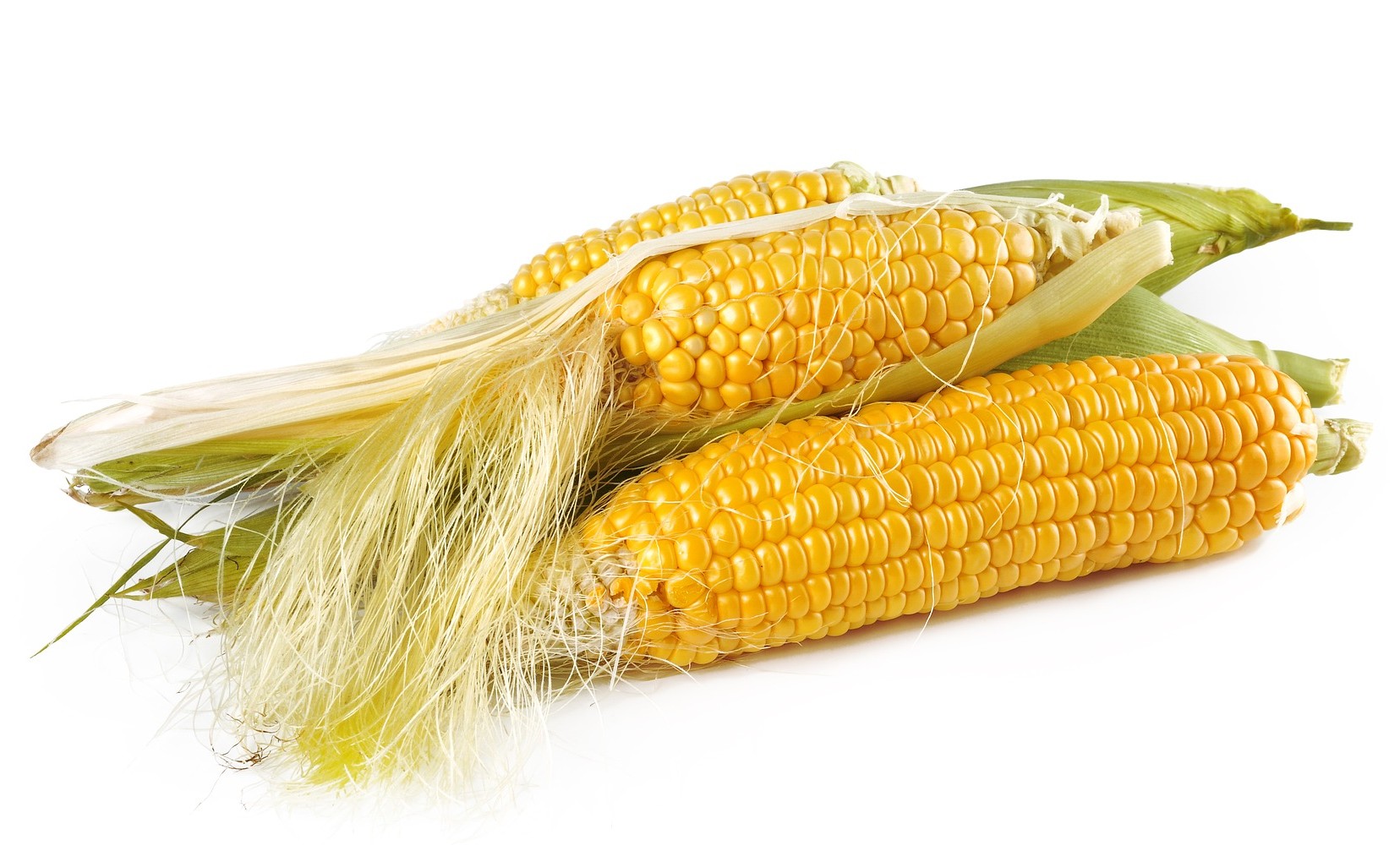
Although corn is often associated with the color yellow, different varieties have different colors, such as red, pink, black, and blue. The ear of corn grows as kernels protected by similar silk strands and covered by dense foliage. An important plant food, corn is thought to originate from Mexico and Central America. Some of the earliest traces of corn-based food date back about 7,000 years.
Corn plays a key role in Native American cultures. It was highly honored for its ability to provide not only sustenance as food but also shelter, fuel, and other decorations. Due to the vital role corn plays in sustaining many indigenous cultures, it is one of the most important icons represented in the mythological traditions of the Maya, the Aztecs, and the Incas.
Benefits and properties of corn
Corn is rich in carbohydrates, magnesium, folic acid, proteins, and other key nutrients. Corn is one of the most appreciated vegetables worldwide. It can be consumed in any form: salad, as a main dish, at breakfast, roasted. It has a low fat content and complex carbohydrates.
- The health benefits of corn are enormous. It is a fantastic source of soluble and insoluble fiber. Corn is rich in folic acid and vitamin B. Vitamin B12 and folic acid in corn prevent the onset of anemia, caused by iron deficiency.
- Corn cleanses the digestive system, is good for constipation and hemorrhoids. It is an excellent source of thiamine (vitamin B1), which participates in the process of converting food into energy for the body.
- Studies have found that corn is rich in carotenoids and, more specifically, beta-cryptoxanthin. According to experts, this carotenoid reduces the risk of lung cancer.
- Corn silk tea has soothing, antibacterial, and diuretic properties. It helps with kidney problems, urinary tract and bladder infections, protects from gout and rheumatism.
- It prevents children from wetting the bed at night.
- It eliminates subcutaneous fat tissues and helps to lose excess weight providing a feeling of fullness and reducing the sensation of hunger.
- Corn protects against cardiovascular diseases. The benefit of corn for heart health lies not only in its high fiber content but in the remarkable amount of folates it provides.
- It supports lung health. Consuming foods rich in beta-cryptoxanthin, a red-orange carotenoid found in large quantities in corn, can significantly reduce the risk of developing lung cancer.
- Memory is aided by thiamine (vitamin B1). Corn is a good source of thiamine and provides about a quarter (24%) of the daily value of this nutrient.
- It helps generate energy, even under stress
- In addition to the high thiamine content, corn is a good source of pantothenic acid. This vitamin is necessary for the metabolism of carbohydrates, proteins, and lipids.
Corn storage
Since heat quickly converts the sugars in corn into starch, it is very important to choose corn that is stored in a cool place. It is also necessary to select corn whose leaves are fresh and green, not dry. The corn must be kept in a plastic bag in the refrigerator. It must not be taken out of its husk, as it will retain its flavor. Fresh corn can also be frozen in plastic bags. Whole ears will remain frozen for up to a year, while corn kernels can be frozen for two or three months.