

When we talk about weaning and/or complementary feeding, parents face some difficulties and first questions they don’t know how to answer. Silvia Grassini, midwife at Parentsmile, clarifies some doubts by proposing a mini and practical guide.
Weaning starts after 6 months
“Starting from certain and authoritative sources, WHO (World Health Organization) tells us that from 6 months of age onwards, children can start being offered complementary foods in addition to milk, whether breast or formula. However, it is as soon as children themselves begin to show interest and curiosity towards traditional food – pointing to what is on the table during meals – that moms and dads know the time has come!”
The midwife assures that during this phase, it is perfectly fine to offer the little ones all kinds of foods, provided that 10 simple tips:
- Soft foods up to 18 months: if you can crumble the food by crushing it between your thumb and forefinger, it means the texture is safe. If the little one wants to try an almond, the solution is to finely chop it and mix it into yogurt! An excellent idea, good and healthy, for your little one’s snack.
- Cut, but not too much: agreed on offering food in small pieces, but don’t overdo it! Offering meticulously tiny pieces of food can be really frustrating for little ones, who may not manage to grasp them (it’s perfectly fine to offer lean cooked ham chopped up, but not turned into tiny confetti!).
- Strips and not rounds: everything that is round or cylindrical should be cut into strips. The classic banana cut into rounds is not as safe as believed, just like a single grape sliced in half. The advice is to cut everything into four parts, and the little one will be grateful!
- Recognize foods: slippery or sticky foods like gnocchi, peanut butter, and bread crumb are not safe because they can stick to the palate or become too sticky and hard to manage. I recommend paying attention to mozzarella, which is perfect raw but once cooked becomes stringy!
- “Say Bye Bye” to excesses of salt and refined sugars. There will be time for pizza and candy, now is still too early!
- Growing together: for the child, the parent is a role model to follow. Sitting at the table together means discovering new flavors with the ones you love most, making the moment special and also fun!
- Quenching thirst: never forget hydration. Water yes, but keep one breastfeeding session per day if the mother still has some milk.
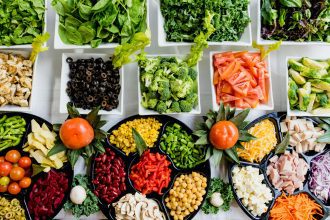
- Don’t fear green: vegetables are always a bit of a problem, at least for some children. It seems the color green scares them, but the parent must not give up. In fact, it’s better to start offering dishes with finely chopped or pureed vegetables in a safe way. Don’t like spinach? Don’t insist, but presenting them in other recipes is the right way to proceed!
- Correct choice of macronutrients. Proteins and fats: it’s hard to know what to choose. For proteins, you can vary between meat and fish, both great allies for the healthy growth of the child. For fats, be careful: yes to oil, but only extra virgin olive oil (evo)!
- Becoming little artists: beyond drawing and coloring on paper, one can unleash creativity in the presentation of dishes. Colorful and fun is better, both for the little ones’ plates and the adults’!
“The theme not to lose sight of, while respecting safety rules, is to give children the opportunity to experiment with foods in different shapes and textures. Encourage exploration of food and autonomy. The price to pay? Dirty little hands and kitchens, very dirty indeed, but stimulated and happy children” – concludes Silvia Grassini.
The plus of Parentsmile is precisely this: besides booking a home visit, it is possible to request a video consultation, even just for a discussion or doubt, with specialists such as midwives, speech therapists, neuropsychomotor therapists, psychologists/psychotherapists, osteopaths, nutritionists, pedagogues, childcare workers, nannies and educators, and personal trainers.
Platform born from a mother for all mothers: today parents are always so busy that they don’t have time to call, wait in queues and long lines to book appointments. With Parentsmile it is possible to do all this whenever and wherever you want, as well as to schedule appointments on weekends. All advantages to stay by the parents’ side, without leaving them at the mercy of the little ones’ whims!