Beers represent a vast and fascinating universe, with an almost infinite range of styles and flavors. Whether you are an enthusiast or simply curious, exploring the various types of beer can prove to be an exciting and engaging experience. In this article, we will guide you through the main categories of beer, unveiling the unique characteristics of each and offering suggestions for food pairings and ideal drinking occasions.
Before diving into the different types, it is essential to understand the main distinction between ale e lager, the two great families of beer. This distinction lies in the type of yeast used during the fermentation process and the temperatures employed.
Ales are produced through a fermentation process at higher temperatures, generally between 15°C and 24°C, using a yeast that ferments on the surface. This method gives ales a more robust character, with fruity and spicy aromas, as well as greater flavor complexity.
On the other hand, lagers result from fermentation at low temperatures, typically between 7°C and 12°C, using a yeast that ferments at the bottom of the vessel. This slower and more controlled process gives lagers a more delicate aromatic profile and a cleaner taste.
Before delving into the different types of beer, it is useful to understand two important parameters that influence a beer’s character: the alcohol by volume (ABV) and bitterness (IBU).
ABV
The ABV ( (Alcohol By Volume) indicates the percentage of alcohol present in the beer relative to the total volume. This value can vary significantly, from light beers with an ABV around 3% to stronger beers with an ABV above 10%.
IBU
The IBU ( (International Bitterness Units) measures the level of bitterness of the beer, determined by the quantity and type of hops used during production. A beer with a high IBU will have a more bitter and hoppy taste, whereas a low value will indicate a smoother and less hoppy beer.
Knowing these two parameters can help you choose the beer that best suits your tastes and preferences.
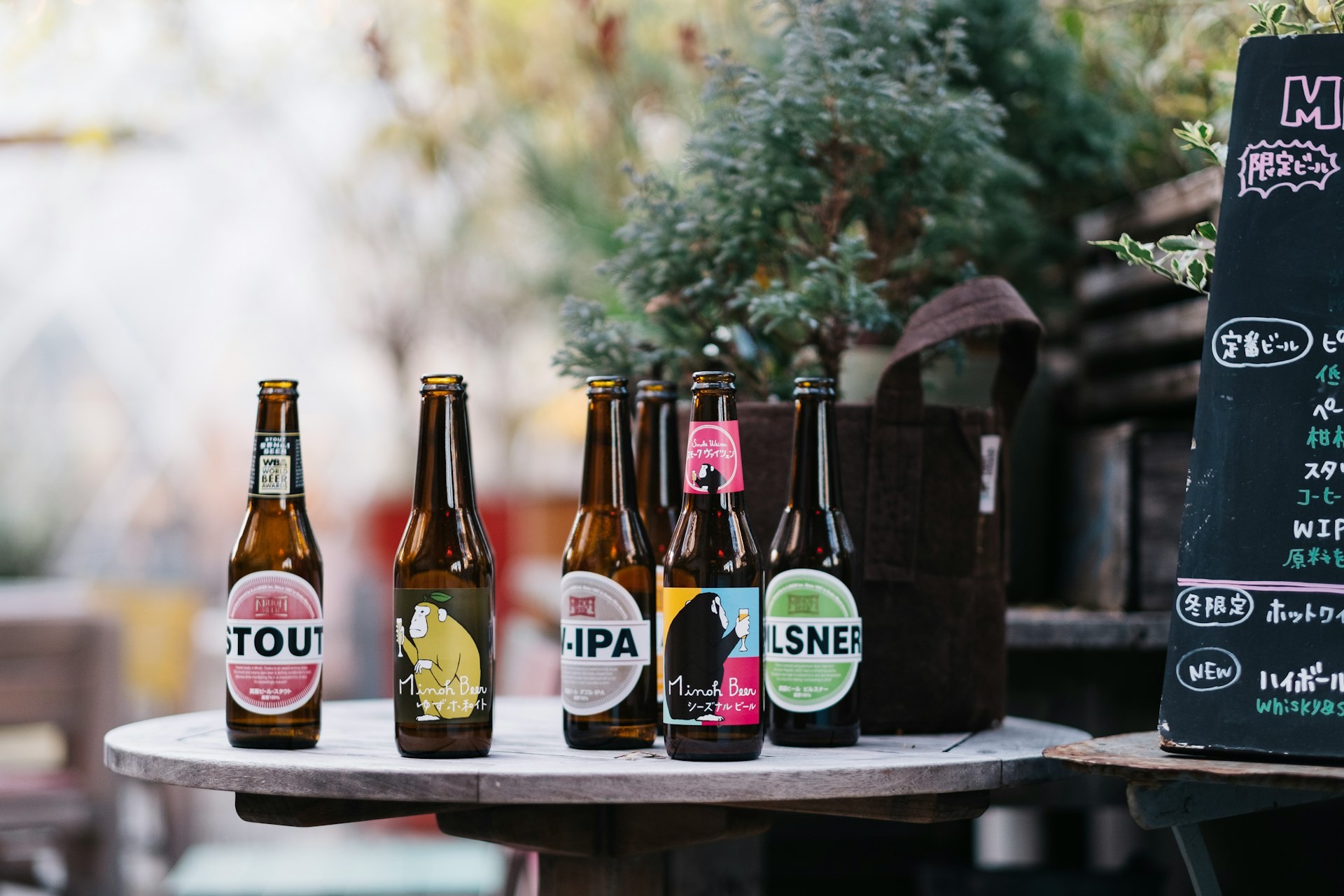
Now that we have understood the basics, it’s time to explore the different types of beer. Get ready for an exciting journey through a wide range of flavors and aromas!
The Indian Pale Ale, or simply IPA, are beers characterized by intense hopping and a strong, bitter taste. These beers originated in 19th century England, when they were produced with a higher amount of hops to preserve their freshness during the long sea voyages to India. Today IPAs have become extremely popular among craft beer enthusiastscraft beer, with numerous variants ranging from American IPA to Double IPA, including New England IPA. These beers often present aromas of citrus, tropical fruit, and resin, balanced by a robust malt structure.
ABV: 5.0-14.0% IBU: 30-100 Styles: American IPA, Imperial or Double IPA, English IPA Pairings: American cuisine, Indian cuisine, fish, aged cheeses Serving temperature: 7-10°C

Stouts are dark and full-bodied beers, characterized by a rich aromatic profile ranging from coffee to chocolate. Originating from the United Kingdom, these beers are appreciated for their smoothness and velvety mouthfeel. One of the best-known variants is the Irish Dry Stout, made famous by the Guinness, with its characteristic cascading effect in the glass and its roasted malt aromas. Another popular variant is the Oatmeal Stout, brewed with the addition of oats, which gives it a silky texture and a rich coffee and chocolate flavor.
Imperial Stouts, on the other hand, are intense and full-bodied beers, with a high alcohol content and a complex aromatic profile that can range from berries to bittersweet chocolate.
ABV: 3.8-8.9% IBU: 20-60 Styles: Irish Dry Stout, Oatmeal Stout, American Imperial Stout Pairings: Robust dishes such as beef stews, oysters, chocolate, brie Serving temperature: 7-10°C
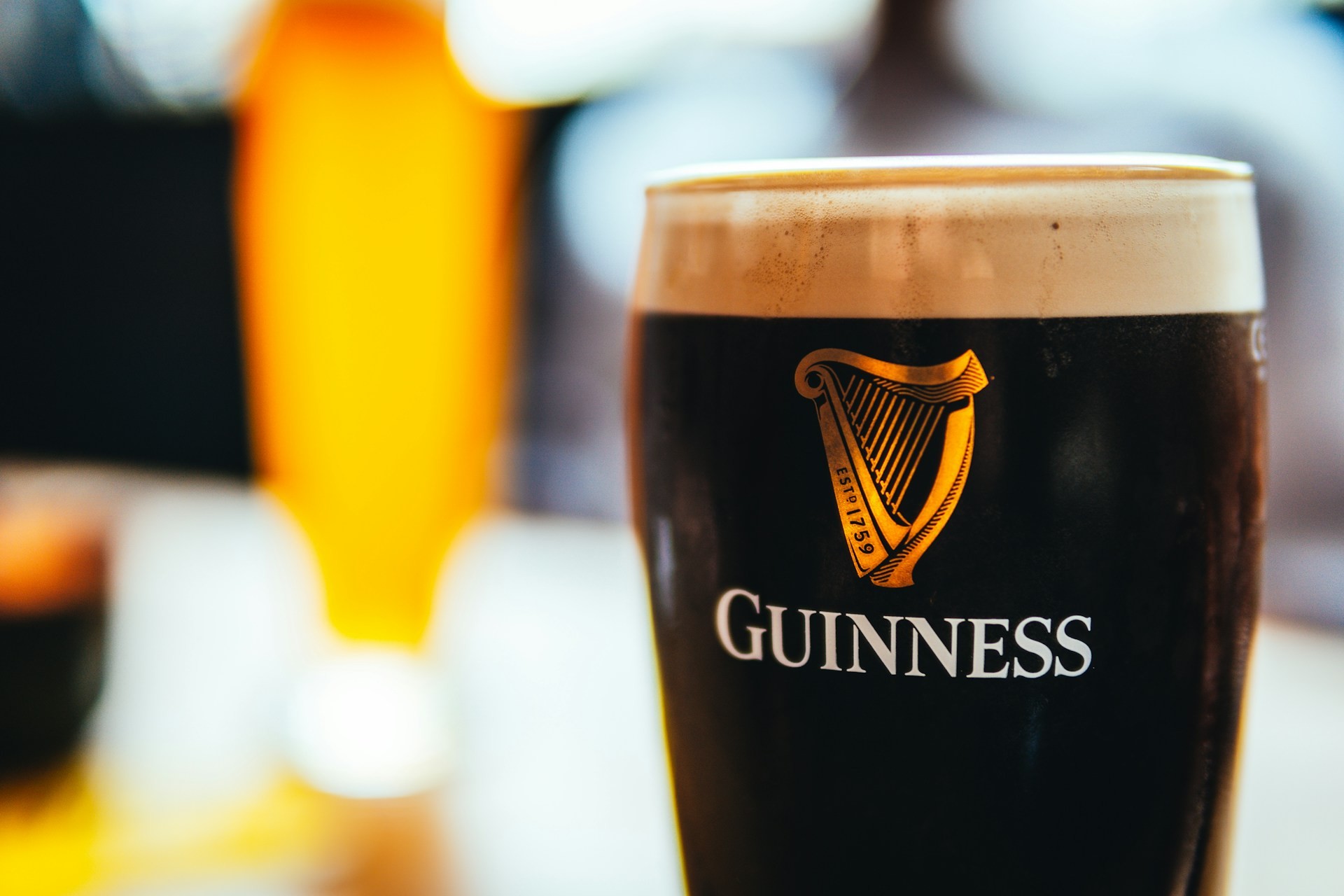
Porters are dark and robust beers, with a history dating back to the 18th century in England. Similar to stouts but with a distinctive personality, porters stand out for the use of unroasted barley malt, which gives aromas of caramel, dried fruit, and sometimes coffee notes.
The American Imperial Porters are particularly full-bodied and alcoholic variants, with an intense profile of roasted malt, chocolate, and coffee. The English Brown Porters, on the other hand, offer a more balanced experience, with a medium-full body and a well-balanced malt character.
ABV: 4.5-12.0% IBU: 20-50 Styles: American Imperial Porter, English Brown Porter, Robust Porter Pairings: American cuisine, English cuisine, barbecue, tiramisu, asiago Serving temperature: 4-12°C

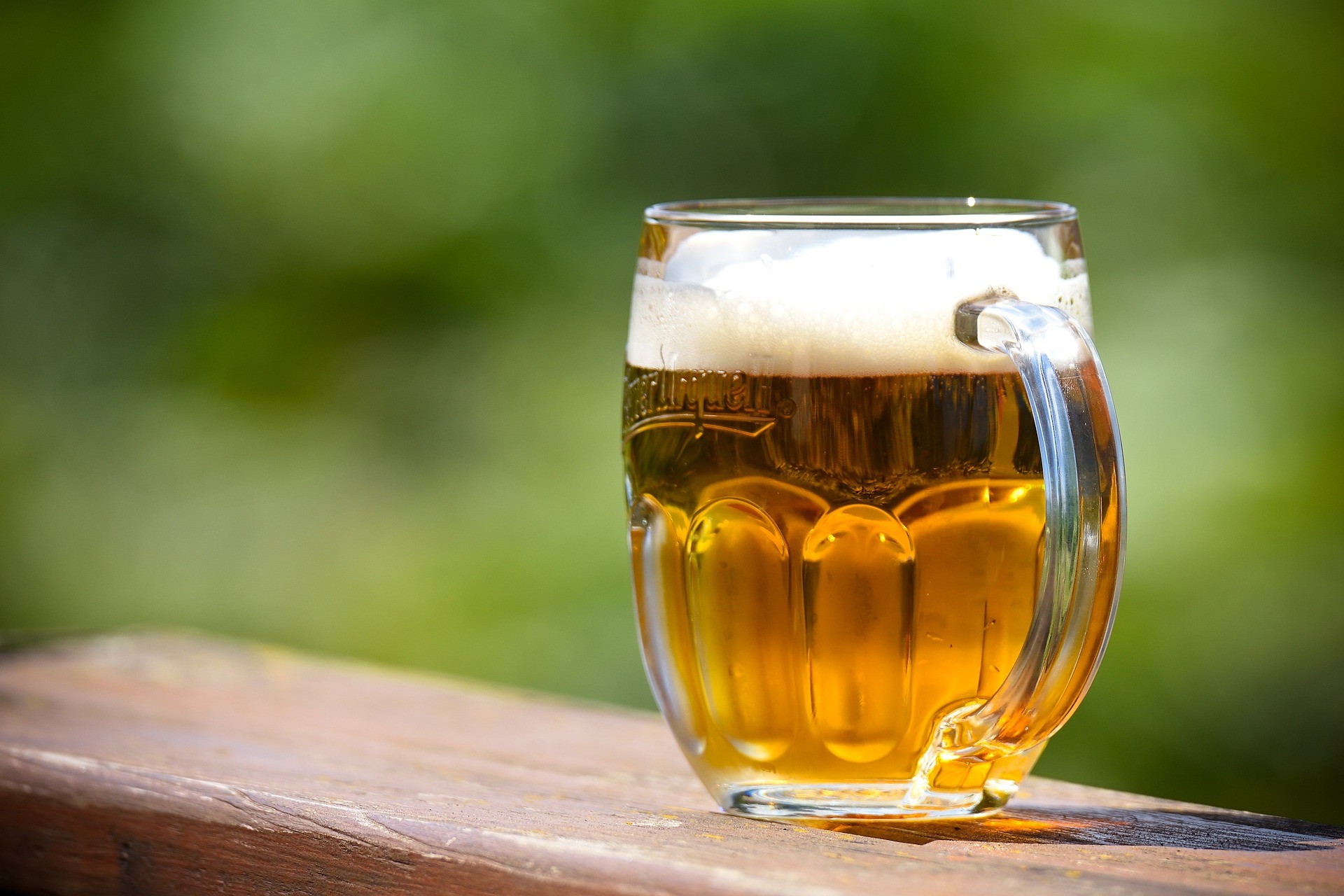
The pilsners are light and refreshing lager beers, known for their golden color and balanced, clean taste. Originating from the Czech Republic and Germany, these beers are perfect for warm summer days or as an aperitif before meals. The classic American Lager is a variant of pilsner widely popular in the United States, with a light body and a fresh, thirst-quenching taste. The German Pilsner, or pils, stand out for their floral hop aroma and balanced bitterness.
The Czech or Bohemian Pilsner, finally, features a richer malt character, a spicy hop aroma, and a dry, crisp finish.
ABV: 3.2-5.6% IBU: 15-45 Styles: American Lager, German Pilsner, Czech or Bohemian Pilsner Pairings: German cuisine, spicy dishes, poultry, fish, soft cheeses Serving temperature: 4-7°C
The wheat beers, or wheat beer, are produced using a significant proportion of wheat as malt, giving them a refreshing and tannic taste. These beers are often enhanced with the addition of fresh fruit, creating attractive and tasty presentations.
The American Pale Wheat Beer is a light and easy-drinking beer, with a pale color and a slight hop bitterness, perfect for summer days.Berliner Weisse, on the other hand, is a traditional German beer characterized by a light body and high carbonation, often served with flavored syrups such as raspberry or geranium.
The Hefeweizen is another classic German wheat beer, known for its cloudiness, full body, and lively effervescence, with distinctive aromas of banana and clove.
ABV: 2.8-5.6% IBU: 3-35 Styles: American Pale Wheat, Berliner Weisse, Hefeweizen Pairings: German cuisine, Mexican cuisine, spicy dishes, seafood, blue cheeses Serving temperature: 7-10°C
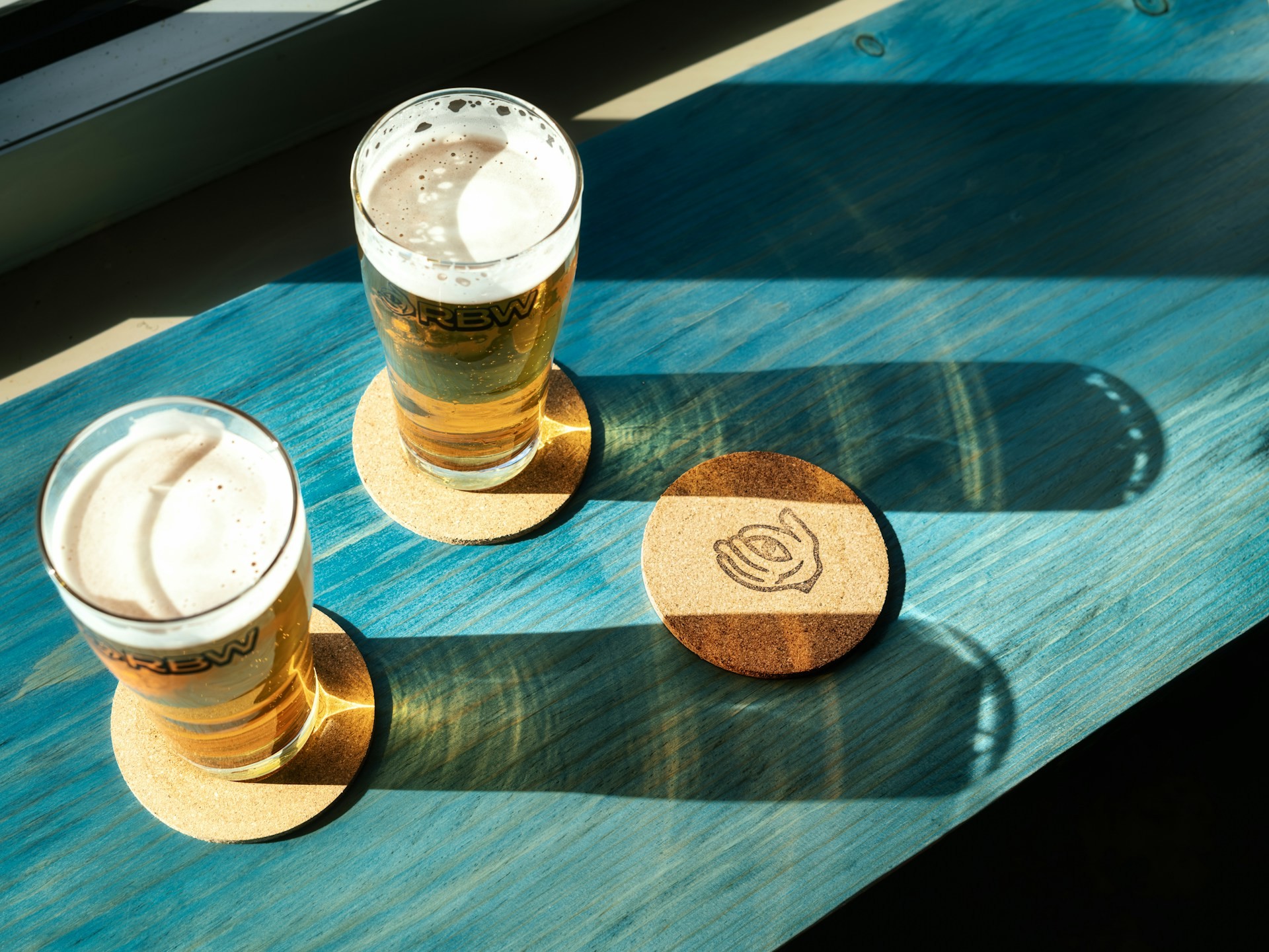
The pale ales are balanced and easy-drinking beers, with a mix of hoppy bitterness and malty sweetness. These beers have a lower alcohol content than IPAs and pair well with a wide range of dishes. The American Pale Ales are characterized by an intense presence of American hops, which give aromas of citrus, pine, and flowers, balanced by a moderate malt base. The Blonde Ales are instead a milder version, with fresh and clean flavors and a subtle malty sweetness. The English Pale Ales, finally, are classic beers with a rich malt profile and a herbal hop character, creating a balance between bitterness and biscuit flavors.
ABV: 4.0-5.5% IBU: 15-45 Styles: American Pale Ale, Blonde Ale, English Pale Ale Pairings: Italian cuisine, English cuisine, fish, fried foods, pepper jack Serving temperature: 2-7°C

Bocks are traditional German beers, appreciated for their malty character and robust flavors. These beers feature a higher alcohol content and can range from amber to dark brown in color, with notes of caramel and roast. The Traditional Bock is a strong beer, with malty sweetness and a color ranging from amber to dark brown. The Weizenbock is a wheat-based variant, combining the characteristics of bock with the fruity and spicy notes of wheat beers. The Maibock, or Helles Bock, is instead a light and clear beer, brewed with a higher proportion of pale malt, which provides a clean and crisp profile with balanced malt sweetness.
ABV: 6.0-9.5% IBU: 15-35 Styles: Traditional Bock, Weizenbock, Maibock Pairings: Italian cuisine, German cuisine, fish, shellfish, asiago, Swiss cheese Serving temperature: 4-10°C

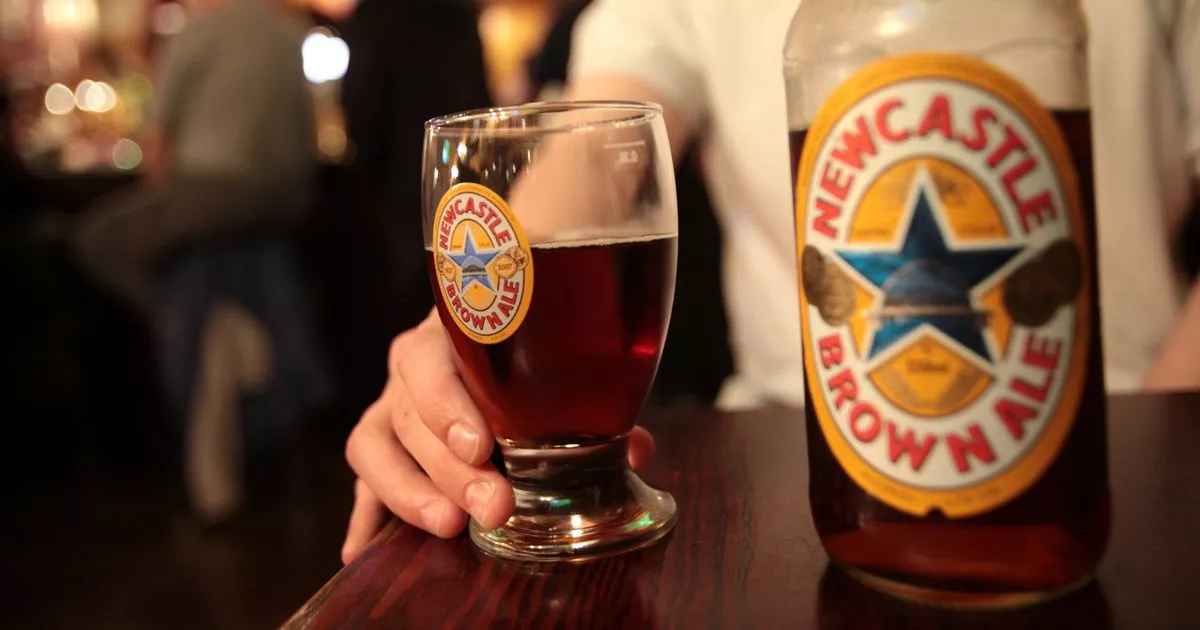
The brown ales are malty and enveloping beers, with a color ranging from amber to dark brown and flavors of caramel, nuts, and toffee. These beers are smooth and easy to drink, making them a perfect option for those seeking a more accessible beer. The English Brown Ale, or Northern English Brown Ale, are known for their malty profile in the foreground, with toasted, biscuity, and caramel flavors, and minimal hop bitterness.
The American Brown Ale, on the other hand, are a modern reinterpretation of English brown ales, characterized by a balanced aromatic profile that combines malty sweetness with moderate hop bitterness, with notes of caramel, chocolate, and nuts.
ABV: 4.0-6.3% IBU: 15-45 Styles: English Brown Ale, American Brown Ale Pairings: American cuisine, beef stews, red meats, poultry, gouda Serving temperature: 4-10°C
Belgian beers are known for their spicy and fruity flavors and their high alcohol content. Despite the high ABV, these beers have a low bitterness, thanks to the use of unique yeast strains that impart distinctive aromas and high carbonation. Belgian Pale Ale is a style known for its balance between malty sweetness and hop bitterness, with fruity esters and spicy notes. Belgian Tripel is instead a strong beer, with high alcohol content, a complex malty profile, and a dry finish.
The Belgian Saison, or Farmhouse Ale, is a rustic beer originating from the French-speaking region of Belgium, characterized by a fruity and peppery yeast character and a dry finish.
ABV: 4.4-10% IBU: 20-50 Styles: Belgian Pale Ale, Belgian Tripel, Belgian Saison Pairings: American cuisine, Asian cuisine, pasta, barbecue, meat, Limburger Serving temperature: 7-12°C
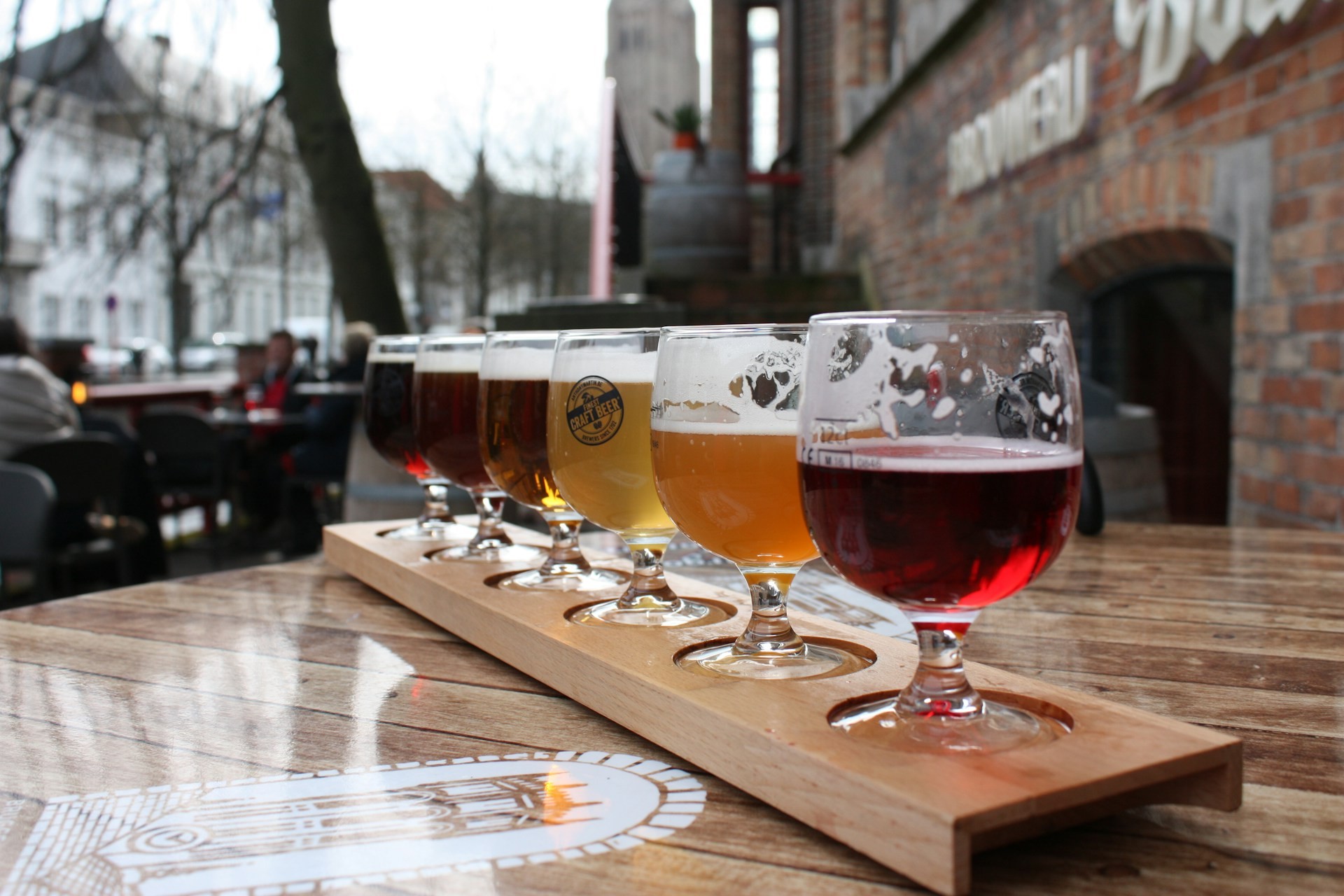
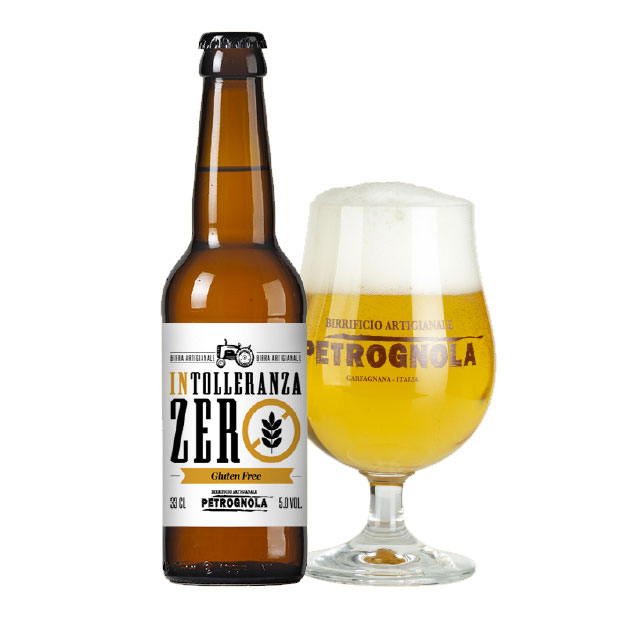
Special beers offer unique and different options for beer lovers, satisfying a wide range of tastes and preferences. From experimental beers to beers flavored with fruit or spices, there is a special beer for every palate. The sour ale are a distinctive type of beer characterized by sour and tart flavors, obtained through fermentation with specific strains of yeast and bacteria. Another special beer is gluten-free beer, produced with alternative grains such as sorghum, millet, or rice, perfect for those who suffer from gluten intolerances or celiac disease.
Among the most appreciated special beers, we also find pumpkin beers, a seasonal delight typical of autumn, made with pumpkin puree and a spice blend such as cinnamon, nutmeg, and cloves. Chocolate beers, on the other hand, are a indulgent and luscious option for those who love sweet flavors, made with chocolate malt or real cocoa beans.
ABV: 3-10% or higher IBU: Varies Styles: Sour Ale, Gluten-Free Beers, Farmhouse Ale, Experimental Beers Pairings: Varies depending on the beer Serving Temperature: Varies depending on the beer
Beer is a versatile ingredient that can add depth and complexity to a wide variety of dishes, from soups and stews to desserts and sauces. When used in cooking, beer can impart unique flavors, enhancing the aromatic profile and overall texture. Here are some beers you can use in cooking:
IPA. IPAs are characterized by intense hop bitterness and floral aromas, making them a bold choice for marinating meats or adding to cheese sauces. The intense flavors of IPAs can infuse dishes with a complex aromatic profile, making them popular for preparations such as battered fish or shrimp.
Wheat Beers. Wheat beers have a light and citrusy profile, perfect for cooking seafood or incorporating into salad dressings. The bright and refreshing notes of wheat beers can add a subtle acidity to dishes, enhancing the overall taste experience.
Stout.Stouts are known for their robust roasted malt flavors, excellent for braising meats or adding depth to chocolate desserts. The rich and complex flavors of stouts can enhance dishes like beef stew or chocolate cake, creating a decadent and satisfying meal.
When cooking with beer, it is important to consider the alcohol content and the beer’s aroma profile to ensure it pairs well with the other ingredients in the dish. Experimenting with different types of beer can help you discover new and exciting ways to enhance your culinary creations with the diverse flavors of this beloved beverage.
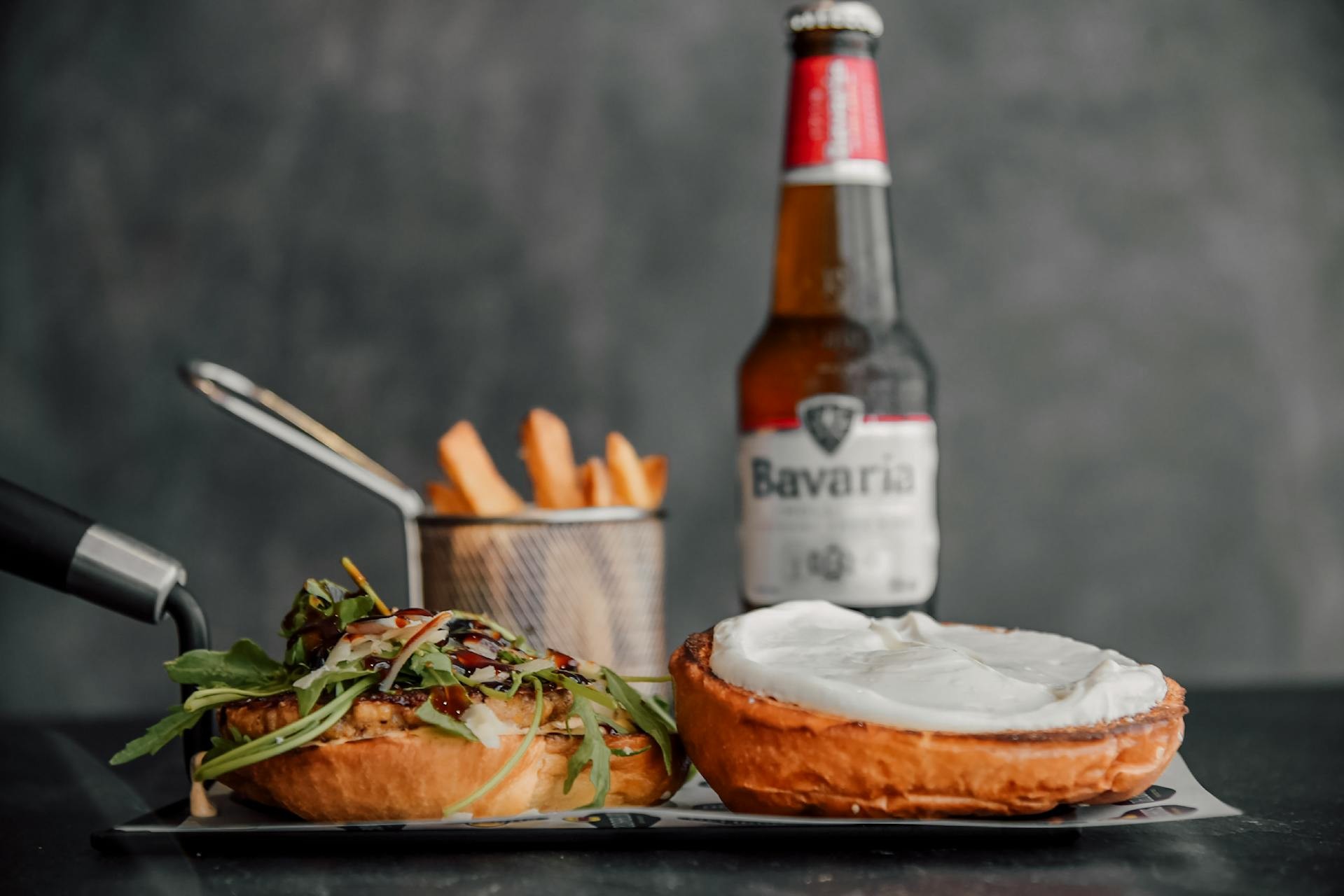
Besides being delicious on their own, the different types of beer lend themselves to wonderful gastronomic pairings and can be enjoyed on various occasions. Here are some tips to make your beer experience even more enjoyable:
- IPAs, with their bitterness and intense aromas, pair well with spicy dishes, smoked meats, and aged cheeses.
- Stouts and porters, with their robust roasted malt flavors, are perfect to accompany hearty dishes such as stews, roasts, and chocolate desserts.
- Wheat beers, fresh and refreshing, are ideal for summer days and pair well with light dishes like salads, seafood, and blue cheeses.
- Pilsners, with their clean and refreshing taste, are perfect as an aperitif or to accompany delicate dishes such as fish and poultry.
- Belgian beers, with their spicy and fruity aromas, pair well with elaborate dishes, such as Asian cuisine or slow-braised meat dishes.
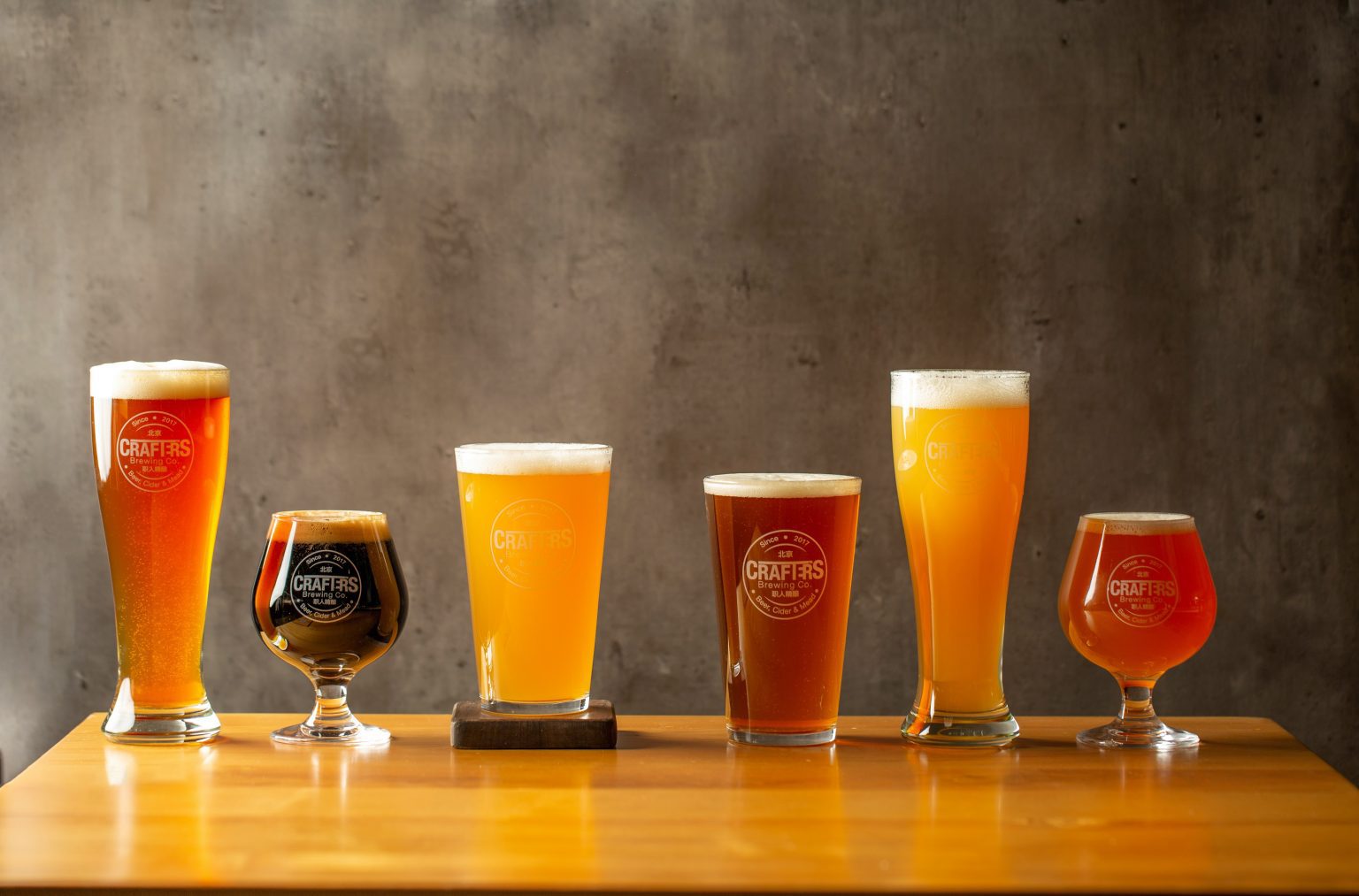
Also, don’t forget to choose the right glass for each type of beer. A proper glass can enhance the tasting experience by bringing out the unique aromas and characteristics of each beer. Whether you are a longtime enthusiast or a curious newcomer, the world of beer offers an endless array of flavors and aromas to explore. Don’t be afraid to experiment and discover new beers that satisfy your tastes and accompany your special occasions.
Beer classification is a very broad and interesting topic. Although beer is a popular beverage worldwide, not everyone knows the variety of types and styles of beer that exist. In this article, we will explore the various beer classifications, focusing on how they are divided and their distinctive characteristics. First of all, it is important to understand that beer can be classified based on various criteria, including the fermentation process, color, flavor, alcohol content, geographical origin, and much more.
There are thousands of types of beer, but to simplify, we will start by dividing beers into two broad categories: the top-fermented beers (ale) and the bottom-fermented beers (lager).

Top-fermented beers, or ales, are produced with yeast that ferments at higher temperatures, usually between 15 and 24 degrees Celsius. These beers tend to have more robust and complex flavors, with fruity and spicy notes. Some examples of ales include Pale Ale, India Pale Ale (IPA), Stout, Porter, Bitter, and Belgian Ale.
Lagers
Bottom-fermented beers, or lagers, are produced with yeast that ferments at lower temperatures, usually between 7 and 13 degrees Celsius. These beers are generally lighter and cleaner in taste, with a more pronounced malt flavor. Some examples of lagers include Pilsner, Bock, Dunkel, Helles, and Märzen.
Besides this main division, there are many other beer classifications. For example, beers can be divided based on color, which can range from pale golden to deep black. Some examples of pale beers include the Pilsner, the Blonde Ale and the Wheat Beer, while examples of dark beers include the Stout, the Porter and the Dunkel.
Alcohol content of beers
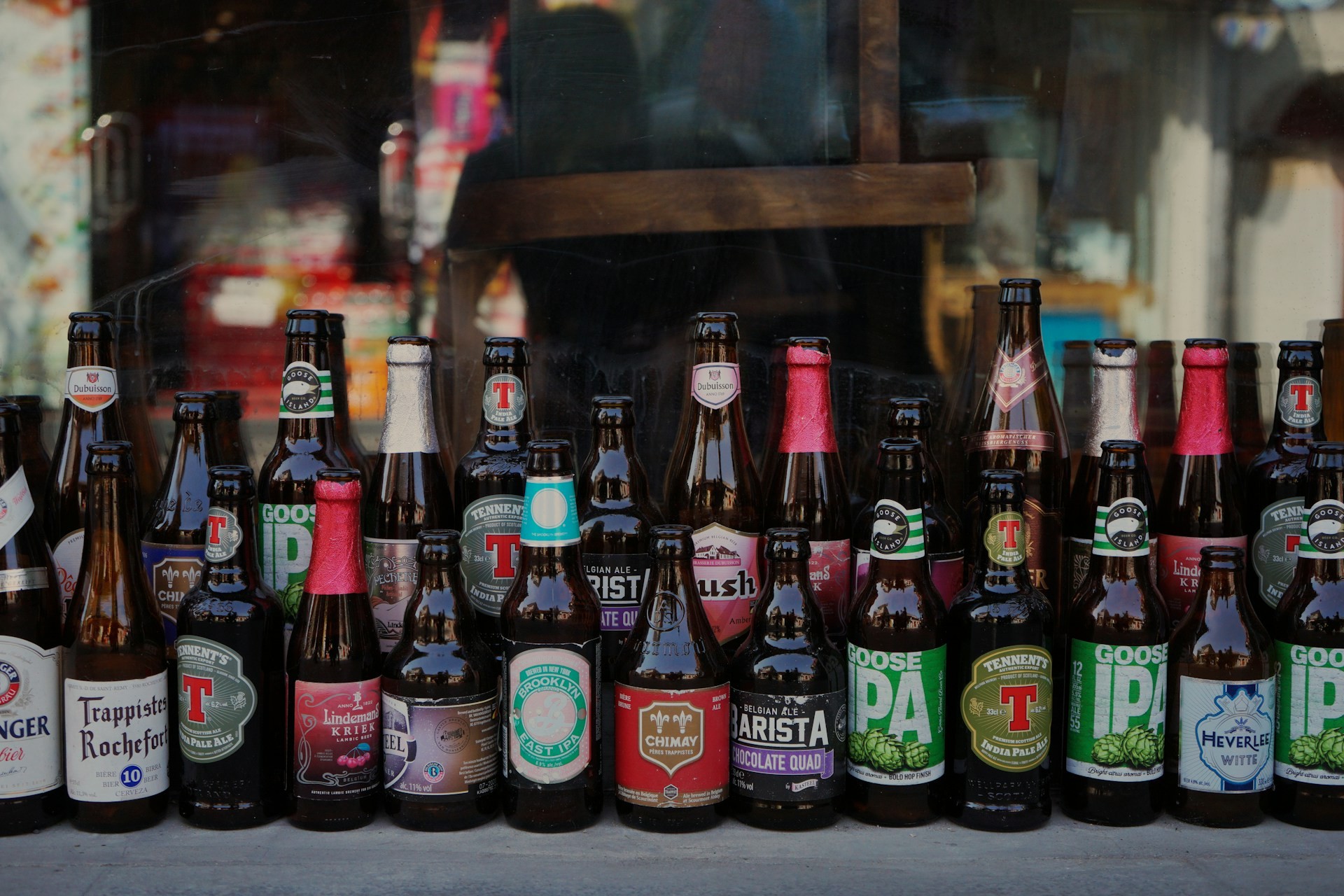
Beers can also be classified based on their alcohol content. Light beers usually have an alcohol content below 5%, medium beers between 5% and 8%, and strong beers over 8%. Some examples of light beers include Lager and Pilsner, while examples of strong beers include Imperial Stout and Barley Wine.
Beers of the world
Additionally, beers can be divided based on geographic origin. For example, Belgian beer is known for its variety and complexity of flavors, while German beer is famous for its purity and quality. Likewise, British beer is appreciated for its tradition and American beer for its innovation.
Taste of beer
Finally, beers can be classified based on their taste. Some beers have a bitter taste, like IPA, others have a sweet taste, like Stout, and others still have a sour taste, like Sour Ale.
In conclusion, the classification of beers is a vast and complex topic, but we hope this article has helped you better understand how beers are categorized. Remember, the most important thing is to find the type of beer you like best and enjoy it with every sip!