
A phone call in the late afternoon, a message received just when you thought you’d spend a quiet evening: “we’re coming to visit you.” Theunexpected guestscan challenge even those who are good in the kitchen. However, it’s not always necessary to rush to the supermarket or order something last minute. A carefully organized pantry allows you to prepare an appetizer, a first course, or a simple dinner using what you already have at home.
The secret is not to accumulate dozens of products. It’s better tochoose a few ingredients, that keep well and are easy to combine with each other. In this way, the pantry becomes a kind of small gastronomic emergency kit, useful when unexpected guests arrive, but also on days when there is little time to cook.
Pickled products to keep ready in the pantry
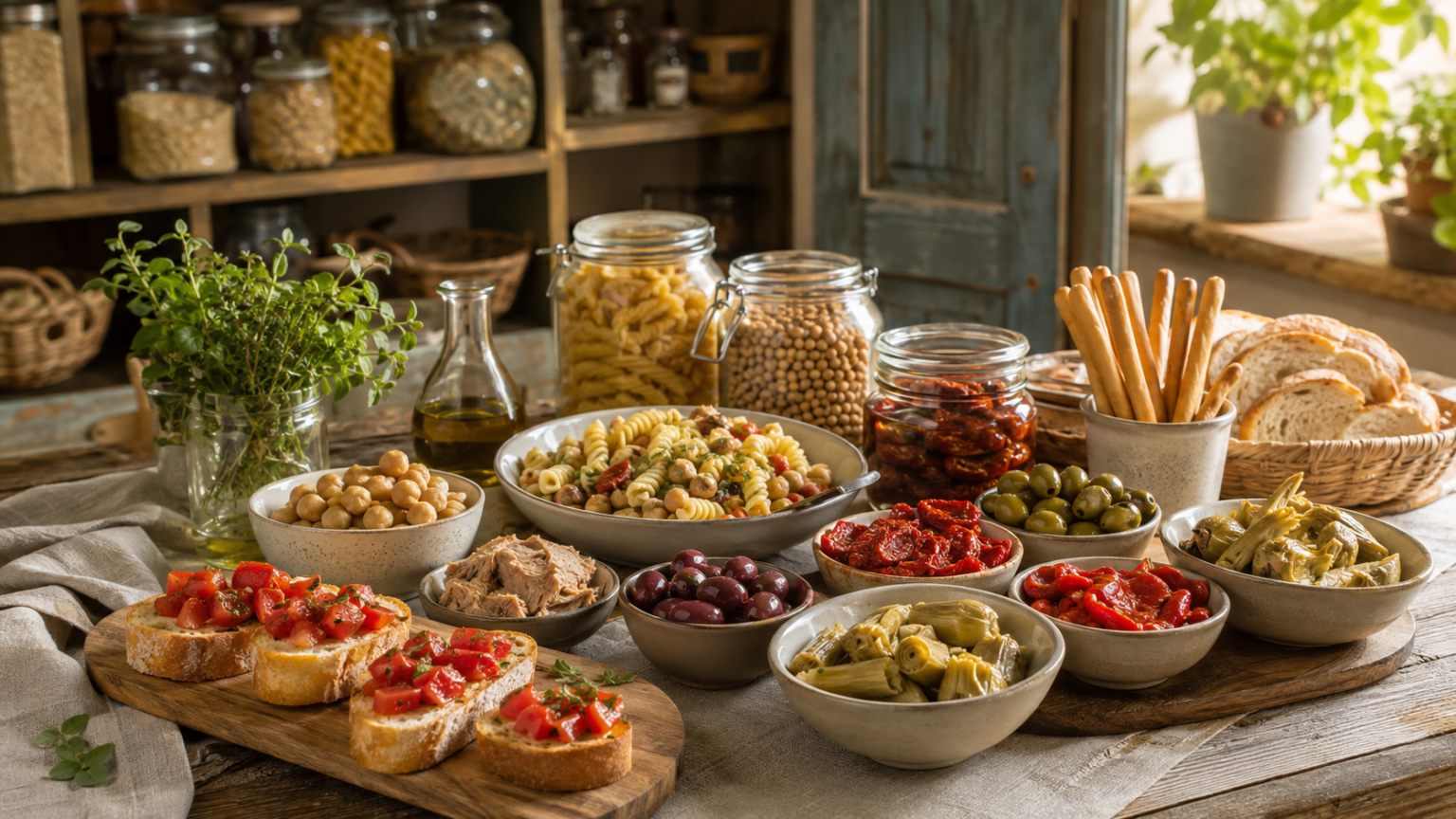
Among the most practical foods for a quick dinner pantry, canned and pickled products certainly stand out. For example, in the catalog ofFratelli Carlithere are specialties like artichoke hearts, grilled peppers and eggplants, olives, borettane onions, dried tomatoes and stuffed chili peppers. These products are also designed for appetizers and aperitifs and can therefore be handy when you need to bring something to the tablewithout long preparations.
The advantage of pickled products is mainly their versatility. They can be served directly in small bowls orbecome part of a charcuterie board together with cheeses, cured meats and bread. Artichokes and eggplants can also complete a rice or pasta salad, while dried tomatoes add more character to bruschettas, focaccias and first courses. Just have some variety to avoid serving the same appetizer every time.
Four ingredients that solve a last-minute dinner
Alongside vegetable preserves, it’s useful to have asmall stock of basic products. You don’t need a huge pantry: just think of ingredients according to the combinations they can create. Pasta and tomato, for example, already allow you to make a first course; with the addition of olives, tuna or preserved vegetables, the same dish immediately gains a different flavor.
Among the most useful foods there shouldn’t be a lack of:
- pasta or rice, which provide a quick base to dress in many ways;
- jarred legumes, handy for salads, quick soups, creams and side dishes;
- tuna, mackerel or other canned fish, to be used in first courses or appetizers;
- crackers, breadsticks or long-lasting bread, especially useful when fresh bread is missing.
The choice also depends on household habits. Those who often prepare aperitifs might give more space to olives, pâtés and baked goods. Those who prefer to offer a full dinner will do well to keep larger stocks of pasta, rice and condiments.
From jar to table: how to compose a menu
Having the right ingredients is only half the job. The other half consists ofknowing how to combine them. When time is short, it’s better to avoid elaborate preparations and focus on two or three simple courses.
The aperitif prepared while guests arrive
To start, a platter can be enough. Vegetables in oil, olives, some slices of cheese, cold cuts, and breadsticks take just a few minutes to arrange. Presentation matters a lot in this case: distributing the foods in small bowls and plates makes the overall look more inviting than just placing a jar on the table.
Even a bruschetta can be prepared almost without cooking. Toasted bread, sun-dried tomatoes, an artichoke cream, or some grilled vegetables are enoughto create several tastings with ingredients already available in the pantry.
A first course made with what you have
While guests enjoy the aperitif, you can put some water on the stove. Apasta with tomato, olives, and tuna is probably one of the simplest examples. With preserved artichokes or eggplants, you can prepare a different sauce, completing it with aromatic herbs, cheese, or toasted breadcrumbs.
Another option is couscous, particularly practical because it requires short cooking times. Vegetables in oil, chickpeas, and some spices can turn itinto a complete dish that doesn’t feel like it was made in a hurry.
Even the fridge and freezer can become dinner savers
Some ingredients usually stored in the fridge greatly increase possibilities: eggs, cheeses, butter, and a package of puff pastry allow you to improvise omelets, savory pies, or simple snacks.
The same goes for the freezer. Pre-sliced bread, vegetables, some portions of previously made sauce, or a pizza base can come in very handy. The key is organization: freezing foodsin small portions allows you to take only what you need and also reduces waste.
A good pantry to avoid rushed shopping trips
Preparing a dinner-saving pantry means above allanticipating needs. Once you’ve identified ingredients frequently used, just periodically check their quantity and expiration dates. When a package runs out, add it to the next shopping list.
With this simple method, an unexpected visit is no longer a problem. In a few minutes, an appetizer, a first course, and some snacks can appear on the table.
It’s not necessary to organize a complex menu: to warmly welcome guests, often a simple table,something good to share and the pleasure of being together matter much more.