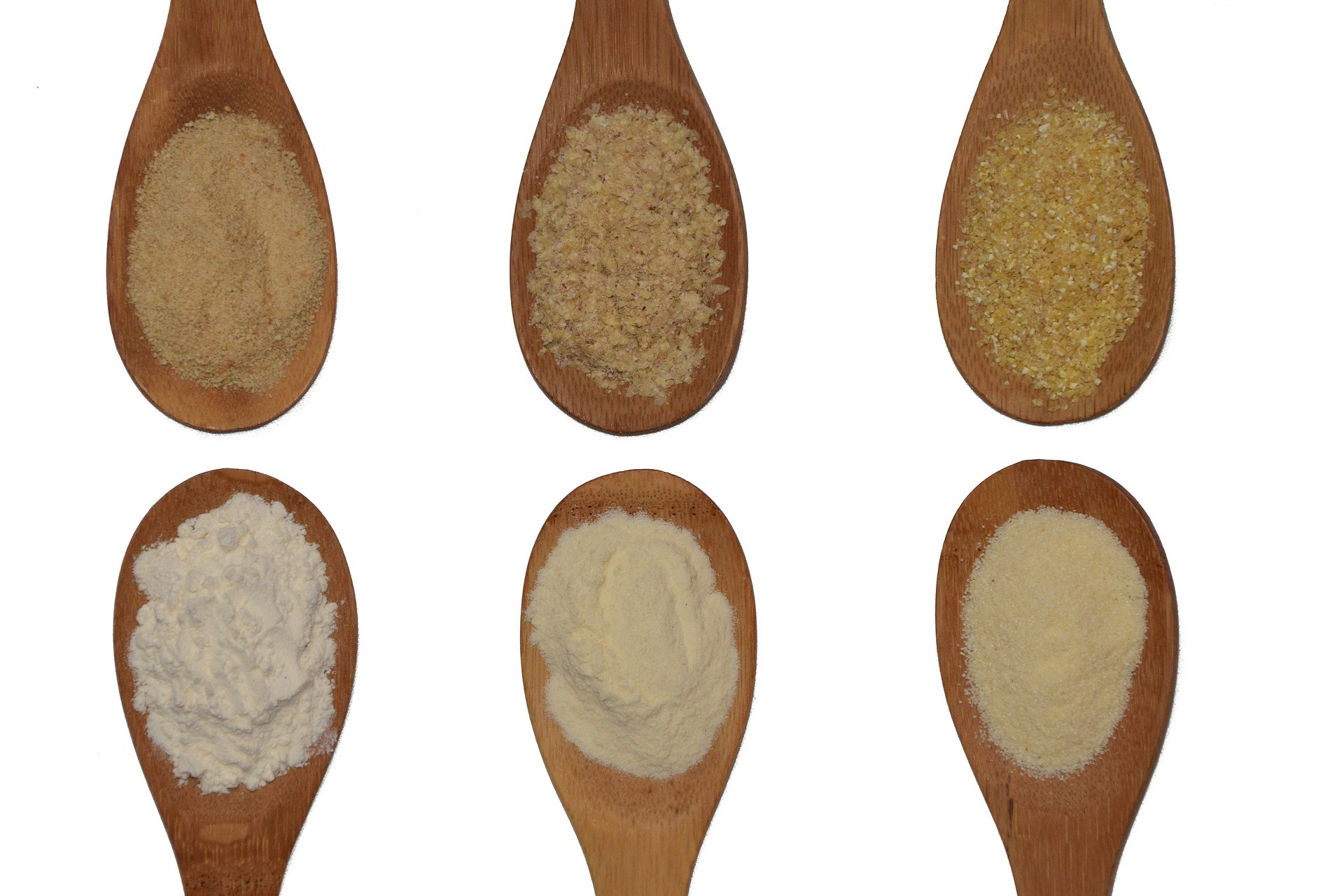
The demand for alternative flours has never been so great and food companies are delivering. There are several reasons for this, including the fact that many people avoid gluten, which is the protein in wheat flour. It can cause digestive issues in some individuals with celiac disease, and many others feel their energy levels and well-being improve by avoiding gluten.
Whatever the reason consumers are turning to alternative flours, there are dozens of delicious new flours and meals to replace traditional wheat.
1. Almond flour
An essential ingredient for gluten-free and low-carb baked goods, as well as for Paleo recipes and other grain-free baking recipes. Also perfect for Easter amaretti cookies.
2. Amaranth flour
Derived from the amaranth plant, which is a leafy vegetable, the seeds are very high in protein. Substitute 25% of the flour in baking with amaranth flour for a sweet, rich nutty flavor with a better nutritional profile than wheat flour.
3. Arrowroot flour
This flour comes from the root of a plant. It has no distinctive flavor, making it useful for thickening sauces and gravies. It is also an ingredient in some Paleo baking flours like Bob’s Red Mill and for baking ancient grains and Premium Gold pizza flour. Arrowroot flour is suitable for Easter.
4. Buckwheat flour
Despite the name, buckwheat flour is not a form of wheat but is related to rhubarb. The plant’s small pyramid-shaped seeds are ground to make the flour. It has a fairly strong nutty flavor, so it is usually used along with other flours. Add it to pancakes or bread for a dark, hearty product. Buckwheat flour is an excellent source of fiber, protein, and calcium.
5. Chickpea flour
It contains good amounts of protein, dietary fiber, and iron. Chickpea flour is commonly used in Middle Eastern dishes like falafel and in Indian cuisine. It’s great for baking gluten-free crackers, pizza crusts, and bread.
6. Coconut flour
Because it is rich in healthy fats, protein (five grams in just two tablespoons!), and fiber, coconut flour is highly digestible, low in sugars, and has a low glycemic index. This flour has a delicate flavor and can be used in sweet and savory baked goods, as well as a coating for chicken or fish instead of breadcrumbs. It is a key ingredient in my seasonal upside-down fruit cake recipe.
7. Potato starch
This very fine white flour is made from dried potato starch. Potato flour, made from whole potatoes including skins and all, can make baked goods tough. Potato starch has an imperceptible flavor. Baked goods made with it have a light and fluffy texture. It can also substitute for cornstarch in sauces and gravies.
8. Sorghum flour
Similar to millet, sorghum is the third most grown cereal crop in the United States. It is a staple food in African and Indian cooking, where it is used to make flatbreads. It adds protein and a hearty flavor to gluten-free bread. Adding 15-20% sorghum flour to flour blends also makes delicious cakes, cookies, and other baked goods.
9. Tapioca flour
Tapioca flour is made from the root of the cassava plant. When ground, it takes the form of a soft, fine white flour. Tapioca flour makes baked goods pleasantly chewy and has a slightly sweet flavor. Each serving is carb-free, making it a great option for gluten-free, vegan, and Paleo diets. Tapioca flour is also a good thickener.
10. White rice flour
This flour is milled from refined white rice, so it has a very neutral flavor and is not particularly nutritious. However, white rice flour is perfect for recipes that require a light texture.