 Portata:
 Cucina:
 Difficoltà:
 Menu:
Menu:

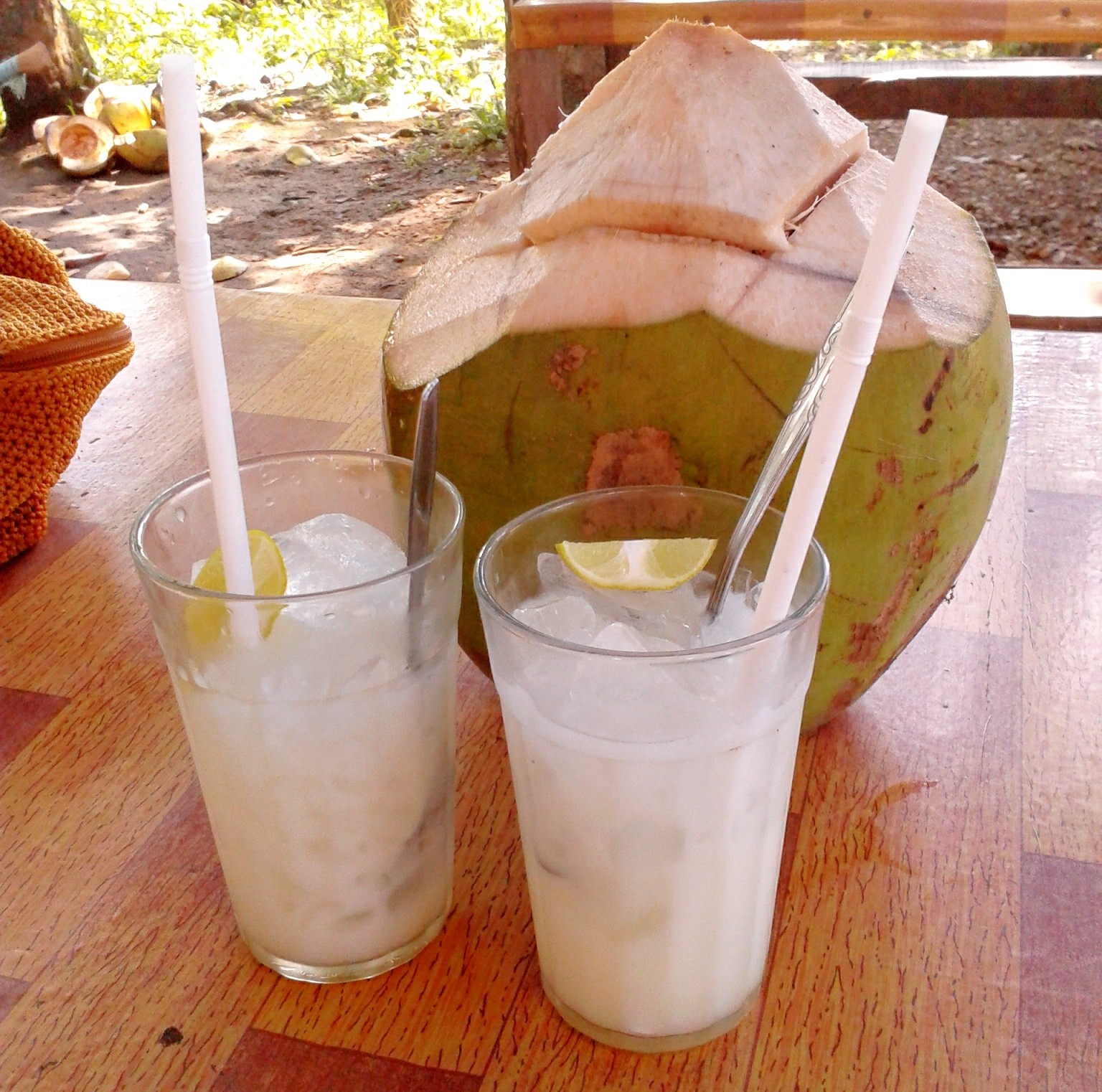
Refreshing, fresh, healthy, coconut milk seems like the ideal drink; let’s analyze it more deeply and discover its nutritional properties.
Coconut milk, one of the best substitutes for cow’s milk
Rich in nutrients such as minerals and vitamins, coconut plant milk is an excellent alternative to traditional milk since it contains no lactose (suitable for people sensitive to this sugar), nor casein (milk protein) or cholesterol.
Recently, new properties have been discovered that make this drink suitable for everyone: athletes, children, and the elderly. These are the main benefits:
- Source of minerals: magnesium, selenium, zinc, iron, and a lot of potassium.
- Source of “good” fats: the saturated fats present have been shown to lower bad cholesterol (LDL) levels and increase good cholesterol (HDL) with antiviral and antibacterial action.
- Source of vitamins: vitamins C and E have antioxidant effects against free radicals.
- An excellent natural remedy to fight gastritis and soothe the intestine.
- Great appetite regulator: thanks to fiber and fats, coconut milk leads to consuming on average about 256 fewer calories per day.
Uses of coconut milk
Coconut milk is very popular in Malaysia, India, the Philippines, and many other Southeast Asian countries, where it is a fundamental ingredient in many exotic recipes.
An excellent pairing is with fresh fruit and vegetable juices, as it makes them more flavorful and unique. The taste of coconut perfectly matches coffee as well. Being sweet, you can avoid adding sugar, enjoying a natural beverage with a low glycemic index.
Finally, coconut milk can be used cosmetically for homemade creams or cosmetic preparations.
How to Make Coconut Milk at Home
Coconut milk can be purchased ready-made, but good quality ones are very expensive and often contain preservatives and/or refined sugars.
So why not make it yourself at home using a juice extractor? The procedure is very simple and requires few steps.

Homemade Coconut Milk
Ingredients
For one liter of coconut plant-based milk
- 350 gr coconut flesh
- 750 ml water
- fruit extractor
Instructions
- Cut the coconut flesh into pieces and soak for about 12 hours.
- Alternate the coconut pulp with 750 ml of clean water in the juicer.
- Perform a second extraction, passing the “crushed” residues back through the juicer.