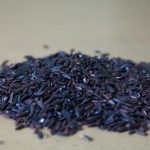
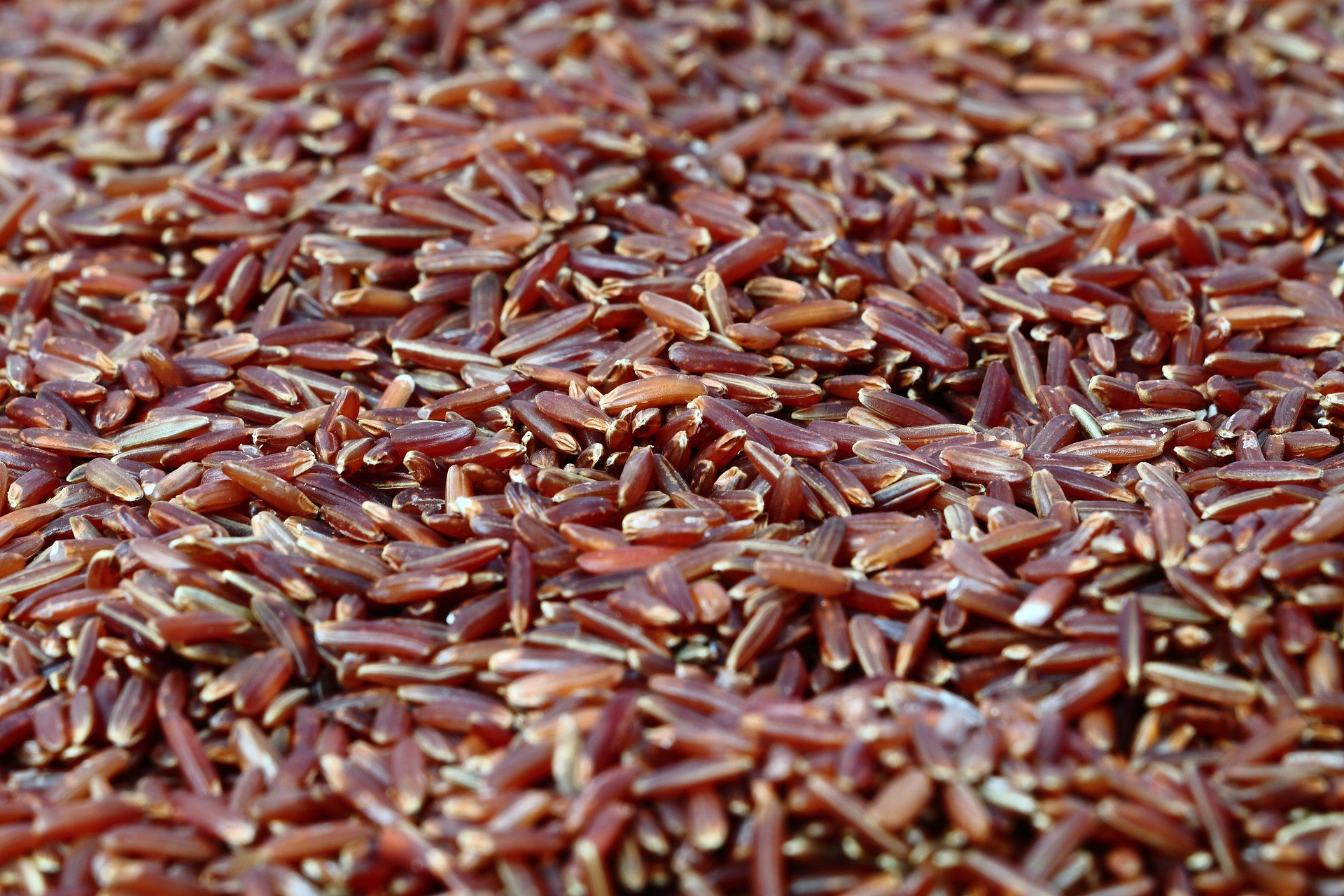
Red rice is a whole grain that gets its color from compounds called anthocyanins found in red vegetables such as red cabbage and red onions. It is located in the outer layer of the grain, known as the bran, and is closely related to bioflavonoids.
Red rice is also an effective antioxidant. It has been considered an exotic cereal, especially in the United States, and is cultivated in various regions of the world. In southern France, a short-grain red rice similar to Bhutanese or Himalayan red rice is grown. Thai red rice is also known as cargo rice and is long-grain, very similar to jasmine rice. These three varieties have an earthy red color with a nutty flavor. California grows Colusari rice, which is a more burgundy color.
All red rice is prepared like brown rice: using a ratio of one cup of rice to two cups of liquid. It is a valuable cereal used in Ayurveda and holistic healing for its high nutrient content and because it is a good source of fiber and iron.
Properties and benefits of red rice
- The high fiber content of red rice helps maintain the health of the lower digestive tract. It also reduces the incidence of heart disease by lowering cholesterol levels. Red rice is very satiating, which helps reduce weight.
- Red rice has a high iron content: iron carries oxygen to the red blood cells and therefore is essential for their development. This is also beneficial for a healthy circulatory system.
- The antioxidant value of red rice reduces stress on cells and the development of malformed cells that can become cancerous cells. It decreases free radicals that can form in the body. This also relaxes the system, allowing the body to function normally and reduce the risk of disease.
- Rich in calcium, red rice contributes to a healthy skeletal system and dental health. It strengthens the bones, reducing the risk of osteoporosis and arthritis.
- Red rice is a valuable cereal containing manganese that boosts metabolism, magnesium that lowers blood pressure and selenium that helps the body fight infections.
- It is also effective in reducing complications of type 2 diabetes. It has a low glycemic index that helps control and balance blood sugar levels.
- Other factors in the healing effects of red rice are that it helps reduce arterial plaque, lowering the risk of cardiovascular disease.
Red rice is found in many natural food stores, as well as in Indian and Asian grocery stores. It is usually more expensive than brown rice but adds its unique flavor, texture, and color to many recipes.