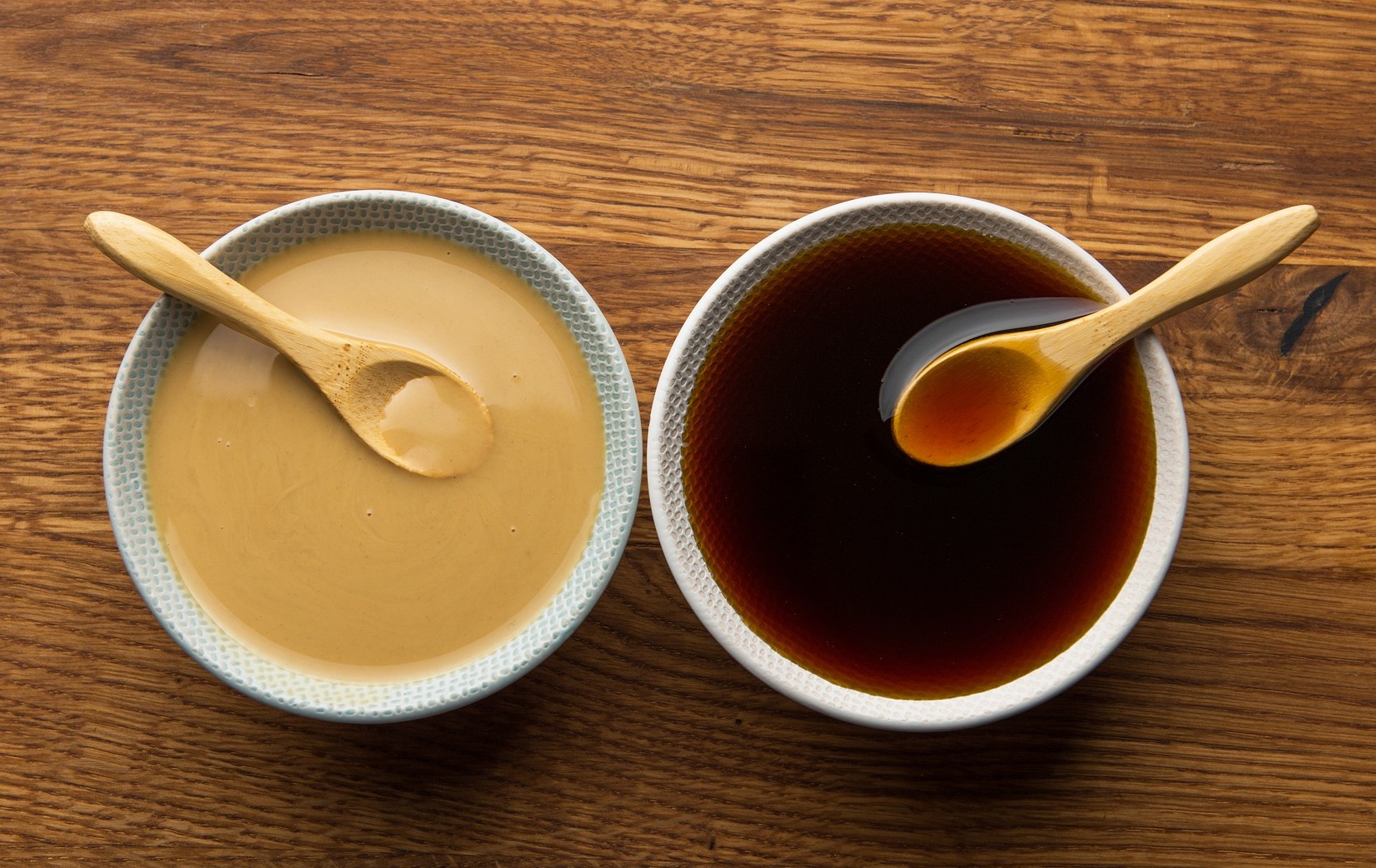
Tahini is ground sesame seeds: it is a product rich in nutrients and has been used in recipes and as a healing agent for centuries. The sesame plant is native to India and has been found growing wild from northeastern Africa to the Far East.
The seeds were primarily used for their oil, as a base for perfumes, and as a condiment. The name sesame comes from the ancient Egyptian word tahini and later from the Greek word sesemt. Tahini has the same nutritional value as sesame seeds because it is simply ground seeds. Its benefits to the body make it a valuable addition to the diet.
The richest nutritional value of tahini is produced with organic unhulled sesame seeds that are washed, dried, and slowly roasted before being ground. Unhulled tahini is darker, has the highest nutritional value, and has a richer nutty flavor compared to hulled tahini. Organic tahini can be used in many recipes.
sesamon. Tahini has the same nutritional value as sesame seeds because they are just ground seeds. Its benefits for the body make it a valuable addition to the diet.
The richest nutritional value of tahini is produced with organic unhulled sesame seeds that are washed, dried and slowly roasted before being ground. Unhulled tahini is darker, has the highest nutritional value and has a richer nutty taste compared to hulled tahini. Organic tahini can be used in many recipes.
Properties and benefits of tahini
- Tahini contains two unique fibers called lignans: sesamin e sesamolin. These have been shown to lower cholesterol, increase vitamin E in the body, and prevent high blood pressure. Sesamin has been found to protect the liver from damage caused by oxidation.
- Tahini is rich in copper, a trace mineral essential for the body. It reduces swelling and pain and is used in the treatment of rheumatoid arthritis. It is also a catalyst for the enzyme lysyl oxidase which is a health factor for blood vessels, bones, and joints.
- Calcium is another mineral concentrated in tahini. It is essential for colon health, preventing cancer-causing chemicals from damaging cells. It prevents bone loss and is used in the treatment of osteoporosis and rheumatoid arthritis. It is also helpful in controlling premenstrual syndrome and migraine. One tablespoon of unhulled tahini contains about eighty-eight milligrams of calcium, while the same amount of hulled tahini contains about thirty-seven milligrams of calcium.
- Tahini is also an excellent source of manganese, magnesium, phosphorus, iron, zinc, molybdenum, and selenium. It contains a rich amount of vitamins B1, B2, B3, B5, and B15. These vitamins relieve stress, reduce the risk of heart attacks, help increase memory and may reduce episodes of anxiety and depression.