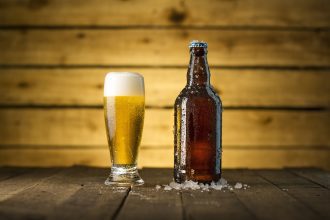


Not all beer glasses are the same. Pint, mug, tulip glass, flute, coupe and weiss glass all have very different shapes because they need to enhance different characteristics of the beverage. Some encourage foam formation, others concentrate aromas, better maintain temperature, or allow appreciation of the beer’s color and clarity. Using the correct glass is therefore not just an aesthetic matter. A very aromatic beer served in too wide a vessel can quickly lose its aromas. A weiss poured into a glass that is too small can instead develop excessive foam and overflow.
It’s not necessary to own dozens of different glasses to drink well at home. However, it’s useful to know the main shapes, understand their purposes, and identify one or two versatile models to use for the beers you consume most often.
Why the shape of the glass is important
The shape of the glass can alter the way we perceive a beer. Naturally, it doesn’t change the recipe, but it influences how quickly the aromas reach the nose, how foam forms and lasts, and how fast the beverage warms up. The most important elements to observe are:
- the opening: a narrower rim concentrates aromas more, while a very wide one tends to disperse them more quickly;
- the body shape: a bulging middle section allows space for the beer and encourages development of the aromatic profile;
- the height: taller glasses allow a better observation of color, clarity, and bubbles;
- the stem: allows you to hold the glass without warming the beverage quickly with your hand;
- the thickness of the glass: a thick glass offers sturdiness, while a thinner one makes the service more elegant and delicate;
- the capacity: must leave enough space for the beer foam, without forcing you to fill the vessel to the brim.
Alcohol content also matters. Lighter beers can be served in larger quantities, while for very structured and alcoholic beers, smaller tasting glasses are generally more suitable.

What are the main types of beer glasses
Over time, countries and brewing traditions have developed glasses associated with specific styles. Boundaries are not always strict: the same beer can be enhanced by multiple shapes, as long as the glass is clean, sufficiently capacious, and suited to its characteristics.
English pint
The English pint is one of the most recognizable glasses. It has a simple, slightly flared shape, and may have a bulge at the top that facilitates grip and makes the glass more resistant. It is especially suitable for British and Irish beers that are not overly aromatic, such as:
- bitter;
- English pale ales;
- porter;
- stout;
- red ale.
It is sturdy and practical, but not the best glass for retaining the aromas of very complex beers for long.

American pint
The American pint, often also called shaker pint, is cylindrical, wide at the top and slightly narrower at the base. It is very common in pubs because it is inexpensive, durable, easy to stack and simple to wash.
It can be used for pale ale, amber ale, lager, and many easy-drinking beers. However, its wide opening does not particularly concentrate the aromas: for a very aromatic IPA, a tulip or tasting glass is preferable.

Beer mug
The mug has thick walls, a side handle, and a sturdy structure. The handle allows holding the container without wrapping the hand around it, slowing the warming of the beer. It is especially suitable for:
- lager;
- märzen;
- bock;
- helles;
- beers served in large quantities during festivals and events.
The mug favors durability, sociability, and capacity. It is not designed to particularly enhance more delicate aromas.

German Mass
The Mass is the traditional German one-liter mug, known especially for beer service during Oktoberfest. It is made of very thick glass, often features a faceted surface, and is equipped with a large handle. It is mainly associated with German lagers, märzen and festbier. Due to its capacity, it is more suited for social drinking than technical tasting.

Pilsner or flute glass
The pilsner glass is tall, narrow and generally flares at the top. Its shape allows appreciation of the bright color of pale lagers, clarity, and the rising bubbles. It is suitable for:
- pilsner;
- pale lagers;
- helles;
- kölsch;
- light and very fizzy beers.
The slender shape also helps sustain a compact foam head, provided the glass is perfectly clean.

Stange
The stange is a tall, narrow, cylindrical glass with a small capacity. It is traditionally associated with Kölsch from Cologne but can also be used for altbier and other light, delicate beers. The reduced capacity allows the beer to be consumed while still fresh, while the narrow shape limits the immediate loss of aromas.

Weiss or Weizen glass
The weiss glass is very tall, narrow at the bottom, and progressively wider towards the rim. It can usually hold half a liter of beer, plus enough space for the foam.
Its shape is designed to accommodate the abundant foam of wheat beers and to enhance their color, natural haze, and lively effervescence.
It is the recommended choice for:
- weissbier;
- hefeweizen;
- dunkelweizen;
- weizenbock;
- other wheat beers.
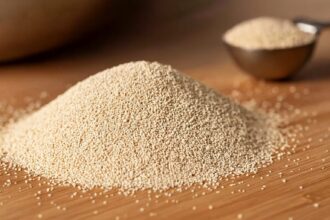
When pouring a weiss from the bottle, proceed slowly because the yeast sediment can increase foam formation. To better understand their role, you can explore what the yeasts used to produce beer are.

Tulip glass
The tulip has a bulbous body, a narrowing upper part, and a slightly flared rim. It is one of the most versatile shapes because it allows the beer to develop its aromas and at the same time directs them towards the nose.
The flared rim also promotes the formation and retention of foam. It can be used for:
- IPA;
- double IPA;
- saison;
- strong ale;
- Belgian beers;
- highly aromatic beers.
For those wanting to buy just one tasting glass, the tulip represents one of the most practical choices.

Belgian goblet or chalice
The goblet features a wide opening, a capacious body, and a stem of varying length. Some versions have thin walls, others are sturdier and resemble a small medieval chalice.
It is especially suited for structured and aromatic Belgian beers:
- dubbel;
- tripel;
- quadrupel;
- abbey ale;
- Trappist beers;
- Belgian strong ale.
The wide opening allows you to easily perceive intense and complex aromas but can disperse them faster than a tulip glass.

Snifter or balloon
The snifter resembles the glass used for cognac and spirits. It has a wide base, a very rounded body, a narrower opening, and a short stem.
It’s designed for beers to be sipped slowly, often served in smaller quantities:
- barley wine;
- imperial stout;
- old ale;
- barrel-aged beers;
- high-alcohol beers;
- meditation beers.
The rounded body promotes the development of aromas, while the narrower rim concentrates them. However, you shouldn’t warm the glass excessively in your hands, especially when the beer is already at the correct temperature.

Teku
The Teku is a modern tasting glass, recognizable by its angular bowl, thin stem, and slightly flared rim. It was designed to offer a clear view of the beer, concentrate aromas, and facilitate attentive tasting.
It can be used with many styles, from IPAs to saisons, from sour beers to complex Belgians. For this reason, it is often considered a universal craft beer glass.
It’s not mandatory to serve all beers in it, but it’s a useful option when you want to assemble a small home set without buying a specific glass for every style.

IPA glass
Some producers have developed specific IPA glasses, characterized by a narrow or ridged lower body and a wider upper part. The shape is designed to promote foam formation as the glass moves and to direct hop aromas toward the nose.
It’s an interesting choice for enthusiasts but not essential. A good tulip or a Teku performs excellently in most home tastings.

Which glass to use for each type of beer
The following table summarizes the most common pairings. It should not be interpreted as an absolute rule: temperature, glass cleanliness, and correct pouring matter as much as the chosen shape.
From mobile: swipe the table sideways to view all columns.
| Type of beer | Recommended glass | Why use it |
|---|---|---|
| Pils and pale lagers | Flute, pils glass, or mug | Shows clarity, color and bubbles and allows a regular foam to develop. |
| IPA and pale ale | Tulip, Teku or IPA glass | Concentrates hop aromas and supports the foam. |
| Weiss and weizen | Tall weiss glass | Accommodates abundant foam and highlights effervescence and haze. |
| Stout and porter | English pint, tulip or snifter | The pint is suitable for classic versions; tulip and snifter enhance the more complex ones. |
| Belgian beers | Goblet, Belgian chalice or tulip | Allows intense aromas to develop and provides space for foam. |
| Saison | Tulip or Teku | Enhances spicy, fruity and herbal scents. |
| Sour and acidic beers | Teku, tulip or flute | Helps to perceive complex aromas and lively carbonation. |
| Barley wine and very strong beers | Snifter or small chalice | Concentrates aromas and allows smaller servings. |
| Kölsch | Stange | Keeps the beverage fresh and accompanies the traditional service in small amounts. |
| Märzen and festbier | Stein or Mass | Robust, capacious and linked to German tradition. |
To navigate between lager, ale, stout, IPA and wheat beers, it is useful to start from the guide dedicated to how to recognize the main types of beer.
Which glass to use for an IPA
IPAs often feature citrusy, tropical, floral, resinous, or herbal aromas derived from the use of hops. For this reason, a glass that directs the aromas towards the nose is preferable.
The best options are:
- tulip glass;
- Teku;
- IPA-specific glass;
- tasting glass with a moderately narrow opening.
The American pint can be used, but its wide mouth tends to dissipate aromas more quickly.
Which glass to use for a Weiss
For weiss and hefeweizen, the traditional tall half-liter glass is recommended. The narrow lower part helps control pouring, while the wider upper section accommodates the abundant foam typical of the style.
A regular mug can hold the same amount of beer, but it does not offer the same visual and aromatic enhancement. It’s also important to leave space for the foam, avoiding pouring too quickly.
Which glass to use for stout and porter
For a dry and easy-drinking stout, an English pint glass can be used. An imperial stout, stronger and more complex, benefits from a tulip or a small snifter.
The choice depends on the beer’s structure:
- classic stout: English pint;
- aromatic porter: tulip;
- imperial stout: snifter or small glass;
- barrel-aged stout: snifter or Teku.
Which glass to use for Belgian beers
Belgian beers include very different styles. For dubbel, tripel, quadrupel, and strong ale, goblets, Belgian chalices, and tulips are recommended. These shapes leave room for foam and allow the perception of fruity, spicy, and malty aromas.
For very strong beers, a smaller capacity goblet is preferable, avoiding a half-liter pint. A drier and livelier saison can instead be served in a tulip or a Teku.
Is there a universal beer glass?
There is no perfect container for every style, but some models are versatile enough to cover most home needs.
The most practical solutions are:
- the tulip: suitable for IPAs, saisons, Belgian beers, and many craft beers;
- the Teku: suitable for tasting very different styles;
- a white wine glass: a valid alternative when specific glasses are not available;
- a pint: useful for lagers, pale ales, classic stouts, and easy-drinking beers.
To start, a small set consisting of a tulip glass, a weiss glass, a pint, and a small snifter is enough. This way, you can properly serve almost all the main beer families.
How to pour beer correctly into a glass
A proper pour helps develop a balanced amount of foam and releases some carbon dioxide. Pouring the beer too slowly along the side can produce too little foam; pouring it all in the center from the start can cause overflow.
The simplest method is to:
- hold the glass tilted at about 45 degrees;
- initially pour the beer along the inside wall;
- gradually straighten the glass when it’s about half to two-thirds full;
- complete the pour in the center to form the foam head;
- stop pouring before the foam reaches the rim.
The ideal foam amount depends on the style. Weiss and Belgian beers can develop a lot, while some British ales are traditionally served with a smaller head.

Should the glass be iced?
Beer glasses should not be covered with ice or taken directly from the freezer. A frozen vessel can change the serving temperature, dull aromas, and cause issues with foam formation.
It’s preferable to use a clean, dry glass at room temperature or slightly cooled with cold water immediately before pouring.
Serving all beers at very low temperatures prevents properly appreciating their characteristics. Light lagers and pilsners require cooler temperatures, while Belgian beers, barley wines, and imperial stouts can be enjoyed at gradually warmer temperatures.
How to wash beer glasses
Residues of grease, detergent, or rinse aid compromise foam and can alter aromas. A seemingly clean glass may therefore not be truly suitable for serving beer.
For proper cleaning:
- wash the glass as soon as possible after use;
- avoid sponges impregnated with grease or used for very greasy dishes;
- rinse thoroughly every detergent residue;
- let the glass air dry;
- do not dry the inside with cloths that can leave lint or odors;
- store glasses in a clean place free of strong aromas.
A sign of poor cleaning is the presence of irregularly attached bubbles on the walls. Also, foam that disappears immediately may be caused by grease or detergent residues.
How to recognize a glass suitable for beer
A good glass doesn’t necessarily have to be expensive or decorative. More important is that it is:
- perfectly clean;
- odorless;
- free of deep scratches or chips;
- large enough to hold beer and foam;
- comfortable to hold;
- proportional to the alcohol content of the drink.
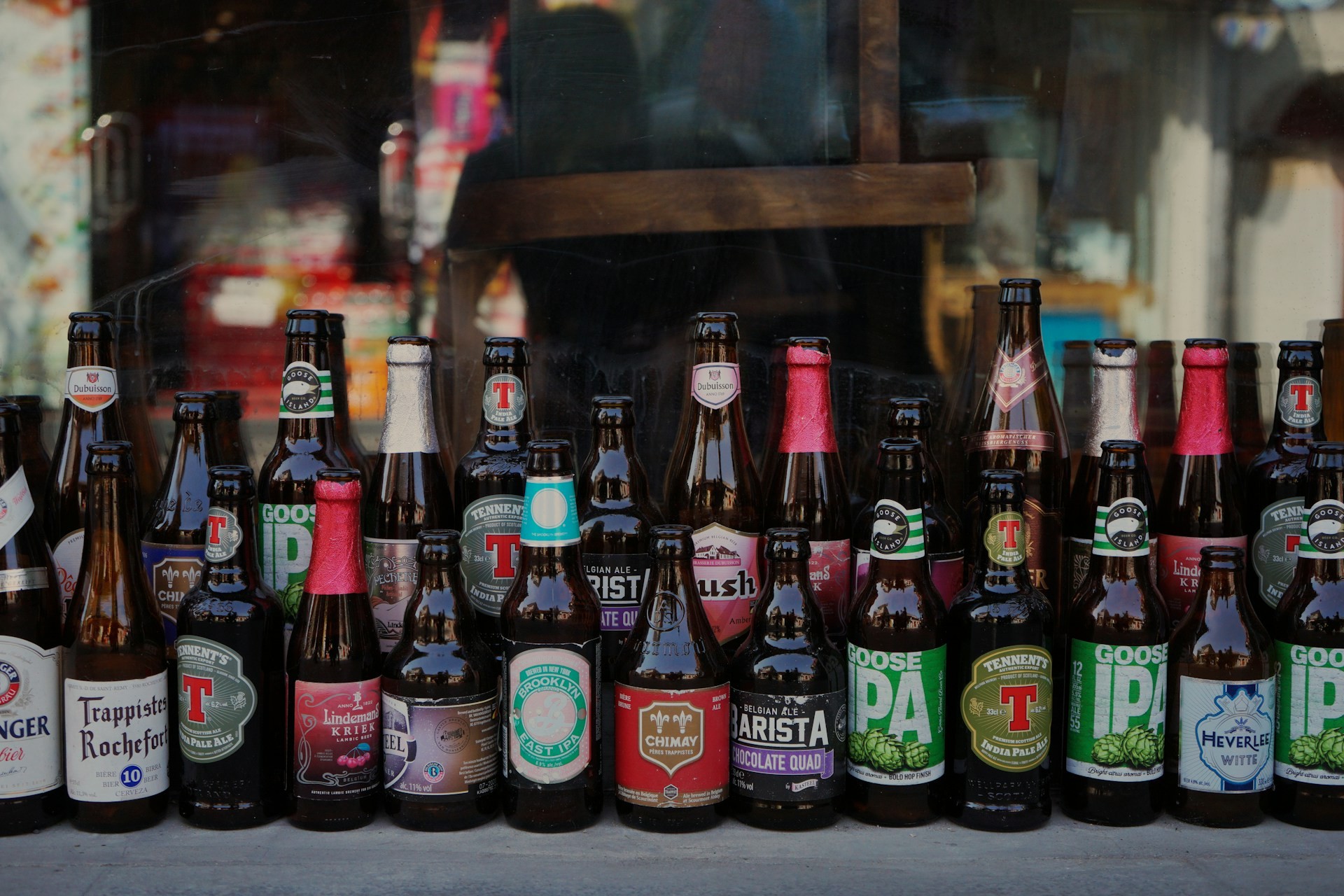
The transparent glass also allows you to evaluate color, clarity, haze, and foam. The color of the bottle serves a different purpose, related to protecting the beverage from light: we discussed this in the article on color of beer bottle glass.
Glass, bottle, and can do not serve the same function
The glass is used for tasting and serving. Bottles, cans, kegs, and other containers are meant to preserve the beer, protect it, and allow for transport.
For this reason, the required characteristics differ. A bottle must limit exposure to light and oxygen; a glass should enhance visual and aromatic perception. To learn more about the differences, you can consult the guide to the main containers used for beer.
Mistakes to avoid
Even the most suitable glass loses its usefulness when used incorrectly. Among the most common mistakes are:
- serving beer in a warm or frozen glass;
- using a container with residual grease or detergent;
- filling the glass to the brim without leaving space for the foam;
- always using a large pint, even for very alcoholic beers;
- choosing a very wide opening for particularly aromatic beers;
- holding a stemmed glass in your hands for too long;
- pouring too slowly to completely avoid foam;
- confusing a personalized glass with one that is technically suitable.
Does the glass help recognize a good beer?
The glass allows you to better observe color, clarity, foam, persistence, and bubble development. It also helps perceive aromas and detect any anomalies. However, on its own, it’s not enough to determine the quality of the beverage.
To evaluate a beer, you must also consider ingredients, freshness, storage, taste balance, absence of defects, and style consistency. In the dedicated article, we explain in more detail how to recognize craft beer.
From beer history to modern glasses
The containers used for drinking beer have changed along with production techniques, available materials, and social habits. Before the widespread use of glass, cups and mugs made of terracotta, wood, metal, or other materials were common.
The gradual spread of transparent glass allowed the visual aspect of beer to be appreciated as well. Color, clarity, and foam thus became an integral part of the service and tasting experience.
The history of glasses is therefore closely linked to that of the beverage, whose origins span millennia of civilizations and transformations. To trace them, the in-depth article on who invented beer and what are its origins.
Which beer glasses to have at home
For home use, it’s not necessary to buy a complete set for every style. A balanced selection can include:
- two or four tulip glasses for IPA, saison, and Belgian beers;
- two tall weiss glasses;
- two pints for stout, pale ale, and lager;
- two small snifters for strong or contemplative beers;
- optionally some flutes for pilsners and light lagers.
Those who prefer to simplify further can buy only high-quality tulip or Teku glasses, adding specific glasses later for the styles consumed more frequently.

Frequently asked questions about beer glasses
What is the best glass for beer?
There isn’t a single best glass for all beers. The tulip and Teku are among the most versatile models, while weiss, pilsners, and very strong beers might require more specific shapes.
Can you drink beer from a wine glass?
Yes. A clean, not too large white wine glass can be a good alternative, especially for IPAs, saisons, Belgian beers, and aromatic craft beers.
Why is the weiss glass so tall?
It is tall to hold the traditional quantity of beer, allow space for abundant foam, and showcase the cloudiness and effervescence typical of wheat beers.
Why are Belgian beers served in the goblet?
The goblet offers space for the foam and allows the intense aromas of Belgian beers to be easily perceived. Smaller versions are also suitable for high-alcohol beers.
Should beer be poured without foam?
No. A balanced amount of foam is part of the proper service, contributes to presentation, and accompanies the release of aromas. The quantity varies depending on the style.
Should beer glasses be put in the freezer?
It is preferable to avoid this. A frozen glass can cool the beer excessively, dull its aromas, and interfere with foam formation.
Which glass to use for a craft beer?
It depends on the style. In the absence of a specific glass, a tulip or Teku are two very versatile solutions for tasting craft beers.
How to tell if the glass is clean?
The glass should have no odors, halos, or residues. Irregularly attached bubbles on the walls and foam that disappears too quickly may indicate the presence of grease or detergent.
Choosing a glass without complicating the tasting
Knowing the different beer glasses helps serve each style better, but it should not become a rigid rule. Cleanliness, temperature, capacity, and proper pouring are more important than owning dozens of different shapes.
A pint can suit simple, social beers, the weiss glass enhances wheat beers, while tulip, Teku, and snifter allow appreciating the aromas and nuances of more aromatic or structured beers.
The best choice is to start with the styles you drink most often. A few well-selected, clean, and properly used glasses are enough to significantly improve the tasting experience.