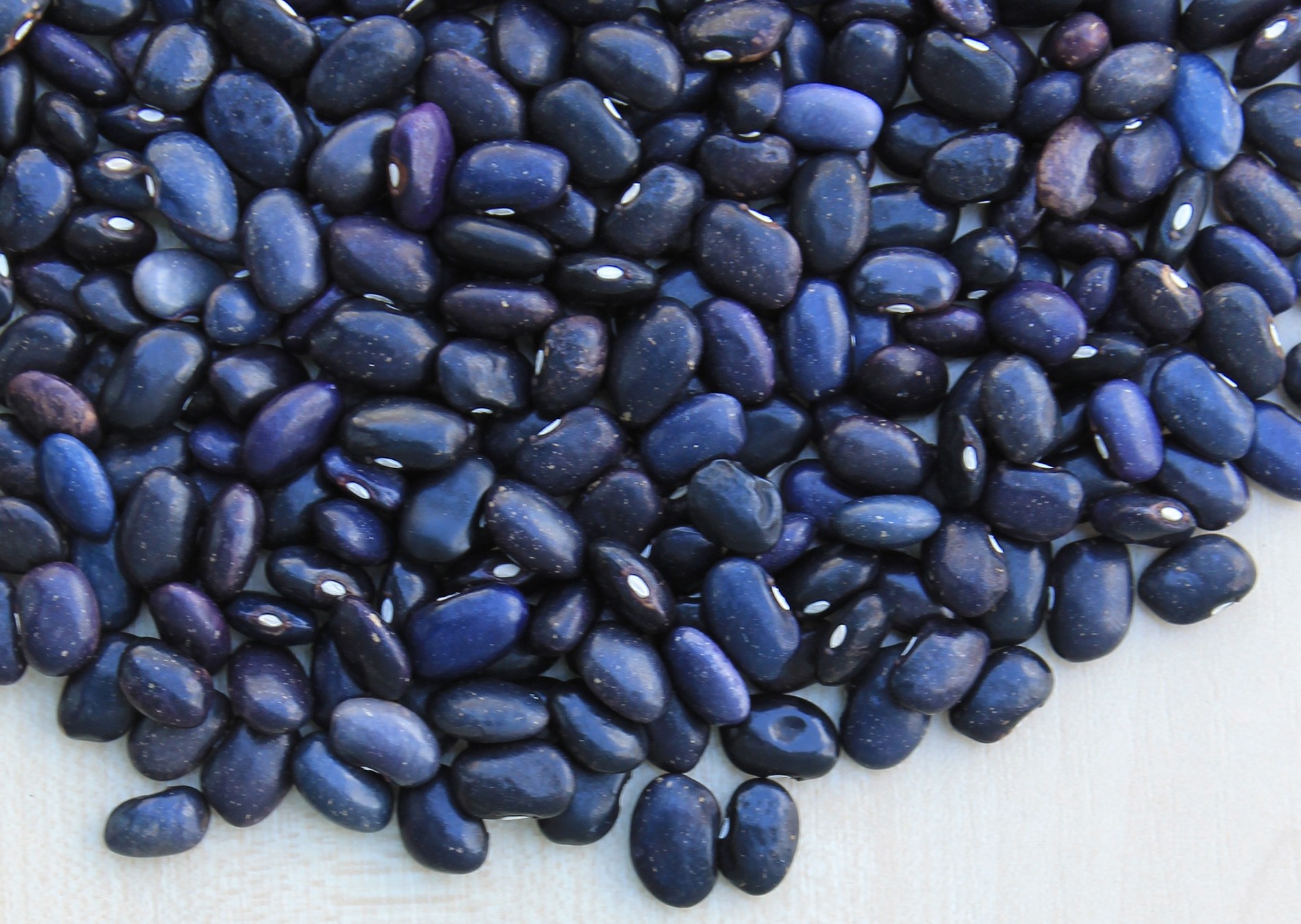
I black beans are a variety of the common bean native to areas of Central and South America. They are a staple in many international cuisines. Black beans are rich in nutrients and are used to prevent many diseases. Ayurveda uses black beans to regulate the Pitta dosha e Kapha and recommends avoiding them for those with the Vata dosha. Other holistic healing methods also use black beans for many beneficial reasons because they are rich in fiber, minerals, vitamins, and proteins.
Black beans have many healing properties that make them a beneficial food to add to the diet. Black beans are a very versatile food that can be added as a main dish or as a side. They can be incorporated into many recipes.
Benefits of black beans
- Black beans aid digestion thanks to their high fiber and protein content. This causes a moderate digestion rate, resulting in less stress on the lower digestive tract and better nutrient absorption. The small bean is easily digested and absorbs water in the stool, promoting regularity. Proteins digest more slowly than meat, leaving you feeling more satisfied and less likely to overeat.
- Adding black beans to the diet reduces the risk of colon cancer and may have a positive effect on reducing the risk of liver and breast cancer. This is due to the variety of types of antioxidant and anti-inflammatory phytonutrients found in black beans. The reaction of these substances reduces stress factors in the body.
- Black beans reduce the risk of heart disease thanks to their high soluble fiber content. This helps lower blood cholesterol levels, reducing the risk of heart disease. Soluble fiber absorbs water, turning it into a gel during digestion. This increases digestion time, resulting in less cholesterol buildup on artery walls and thus reducing the risk of heart attacks or strokes.
- There is a clear trend toward reduced risk of developing type 2 diabetes in those who add black beans to their diet. The natural substance known as alpha-amylase inhibitor found in black beans has been shown to slow sugar absorption from dietary starch. These enzymes work with proteins to regulate blood sugar.