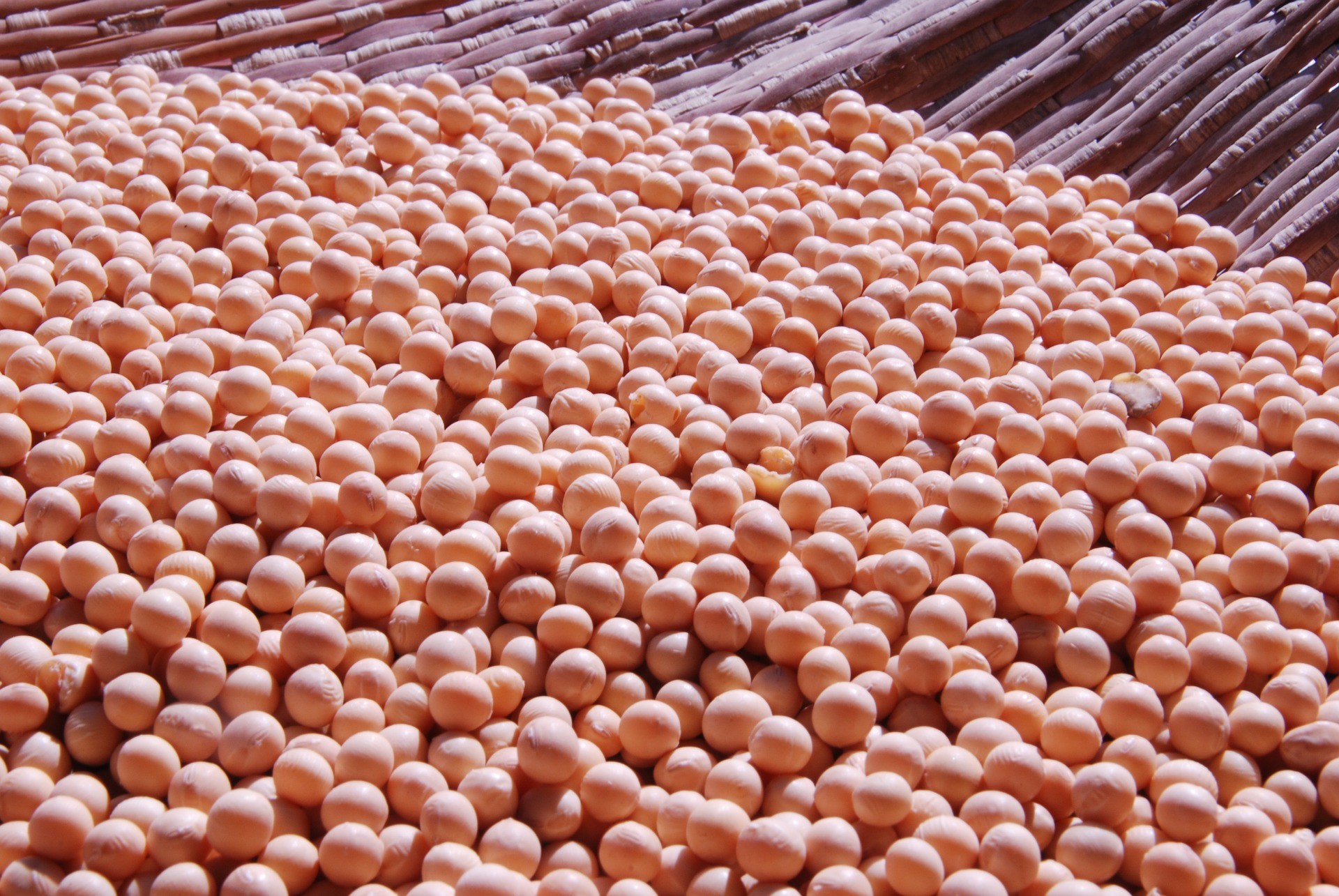
Soy is an alternative to meat in the vegetarian diet. It is a crunchy snack, the base of miso soup, the protein powder. Soy is actually a disguised superfood and, according to researchers from the USDA, it can help reduce harmful cholesterol. It also acts as an anti-tumor agent and protects the body from obesity, diabetes, digestive tract inflammations, and bone and kidney diseases.
Soybeans are a high-protein plant food that people can prepare and eat in various ways. They belong to the pea family. Soybeans come in many colors, including:
- Green soybeans: young green soybeans are also called edamame. People can steam them and eat them from the pod as an appetizer. Shelled, they are also available in salads, stir-fries, and soups.
- Yellow soybeans: producers generally use yellow soybeans to make soy milk, tofu, tempeh, and tamari. They also play a role in producing soy flour for baking.
- Black soybeans: various Asian food cultures use boiled or fermented black soybeans in traditional dishes.
Benefits and properties of soy
Soy has a complete protein profile, meaning it contains all 20 amino acids that make up the proteins in our body, but most importantly, it has all 9 essential amino acids, those your body cannot build on its own but must come from food. Soy is very rich in protein (about 36% in raw beans). Furthermore, soy provides high-quality monounsaturated and polyunsaturated fats (omega-3 fatty acids).
It is rich in fiber, vitamin K, folic acid, copper, manganese, omega 3, and vitamin B1, and low in carbohydrates. Perhaps the most important and controversial thing is that soy is rich in phytoestrogens, which are a weak form of plant estrogens that can replace other estrogens and reduce the risk of breast cancer e minimize menstrual symptoms, according to the Medical Committee for Responsible Medicine.
- Numerous researchers have reported that thanks to these phytoestrogen compounds, soy could be used to combat osteoporosis in menopausal and postmenopausal women. It can also help with hot flashes.
- Soy consumption has been linked to lower rates of breast and prostate cancer.
- Soybeans are also an excellent source of various vitamins and minerals, including calcium, iron, potassium, vitamin B1, B2, B3, B5, B6, B9 (folic acid), and vitamin C, etc.
- It contains fiber and since it’s plant-based it is completely cholesterol-free. If we were to compare only the nutritional profile of soy with, say, quinoa, known as one of the most nutrient-rich plants on the planet, soy is actually more nutritious than quinoa (both in micro and macronutrients). Quinoa is a great and very healthy grain but another advantage of soy is that it can be grown on all continents of the planet, making it a much more sustainable and economical choice.
- Reduce the risk of type 2 diabetes. Soy isoflavones can improve insulin sensitivity, meaning cells respond better to insulin and absorb more glucose.
Moderate amounts of whole soy foods included as part of a varied and healthy diet can offer health benefits. Soy isoflavone supplements, in particular, can also help reduce the risk of hormone-associated tumors and osteoporosis in women, as well as type 2 diabetes in both men and women. Further research is needed on both organic and genetically modified soy to evaluate its overall benefits and risks.