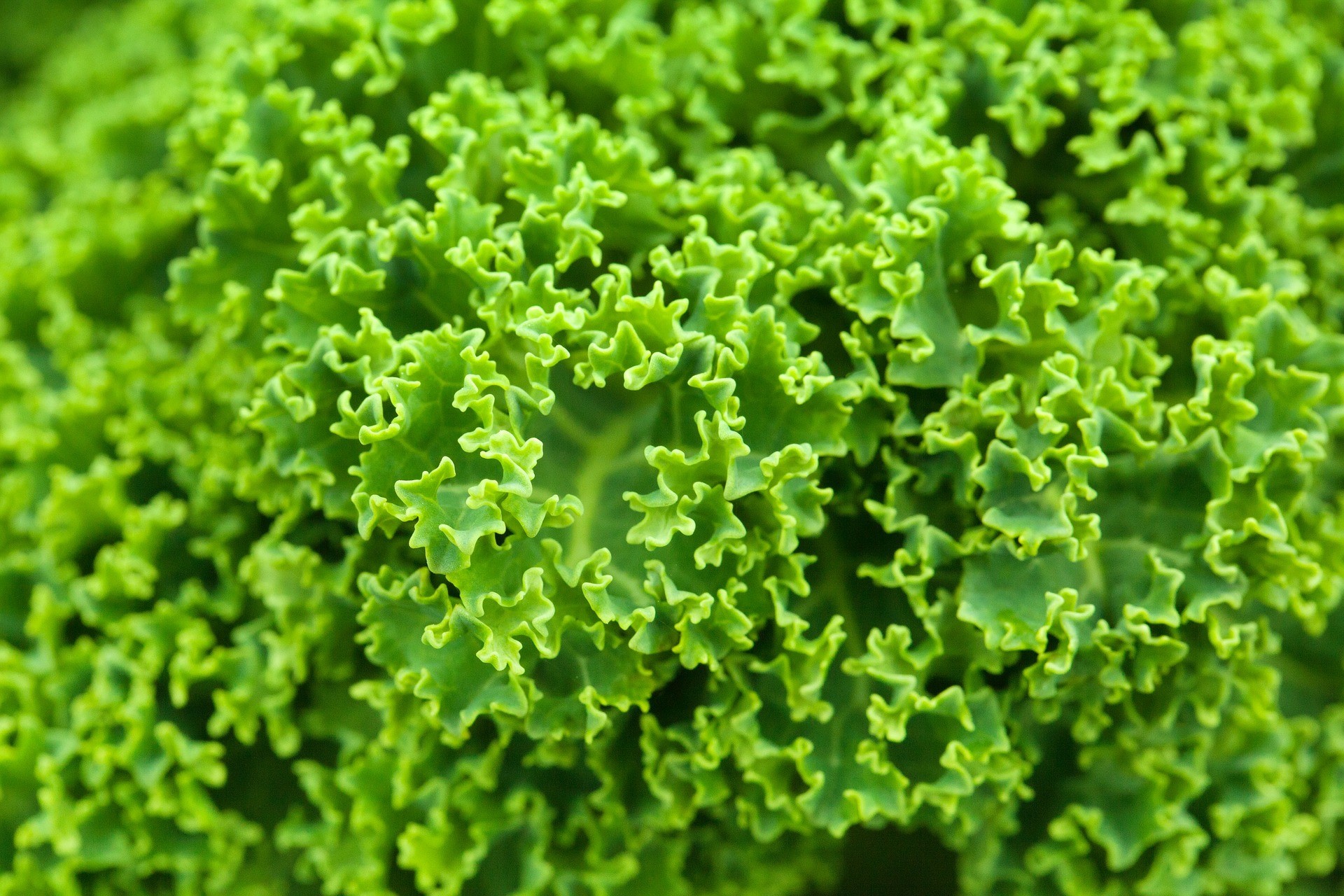
Kale is rich in nutrients and low in calories, making it one of the most nutrient-dense foods on the planet.Kale is a cruciferous vegetable like cabbages, broccoli, cauliflower, cabbages, and Brussels sprouts..
Kale holds up well when cooked and can be steamed, sautéed, roasted, or eaten raw. You can add it to smoothies, make kale chips, use it in soup, mash it with potatoes, or turn it into pesto. Always remove the central rib as it tends to be too tough and fibrous and imparts a more bitter taste when eaten.
Kale can be stored in the refrigerator for three days but the longer it is kept, the stronger and more bitter the flavor becomes. Kale should be washed before use as it tends to retain dirt and sand. It can be boiled, sautéed, or steamed and adds a unique flavor to salads.
Health Benefits
Rich in Vitamin C
Kale is extremely rich in vitamin C. A single cup of raw kale contains more vitamin C than an orange. Vitamin C supports the immune system, regulates metabolism, and promotes hydration.
Lowers Cholesterol
Kale contains substances that bind bile acids and lower cholesterol levels in the body. Steamed kale is especially effective.
Rich in Vitamins K and A
Vitamin K is an important nutrient involved in blood clotting. A single cup of kale contains seven times the recommended daily amount of vitamin K. Kale has a high vitamin K content, necessary for blood clotting and bone health. It has been found that increasing vitamin K may help reduce the effects of Alzheimer’s disease. It is rich in vitamin A which supports eye health.
Nutrient and Mineral Rich
Many important minerals are found in kale and some of these are generally lacking in the modern diet. These include calcium, potassium, and magnesium..
May Improve Eye Health
Kale is rich in lutein e and zeaxanthin, two nutrients that have been linked to a drastically reduced risk of macular degeneration and cataracts.
High in Fiber
Kale is a fiber-rich vegetable, low in calories and fat-free. It aids digestion, which helps keep the lower digestive tract healthy. It is also a powerful antioxidant containing carotenoids and flavonoids that help the body protect itself from various types of cancer.
High in Iron
It is rich in iron and contains more than a serving of beef. Iron is essential for hemoglobin formation, which carries oxygen throughout the body. Iron is also important for proper liver function. Kale is also rich in enzymes that aid cell growth.
It is an anti-inflammatory
As an anti-inflammatory food, one cup of kale contains ten percent of the RDA of omega-3 fatty acids, helping to prevent arthritis, asthma, and autoimmune diseases. It also supports cardiovascular health and balances cholesterol levels.