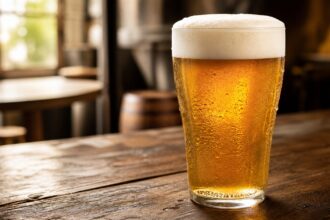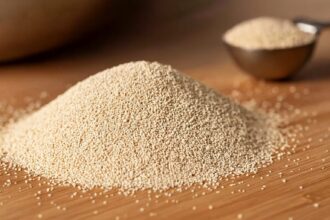
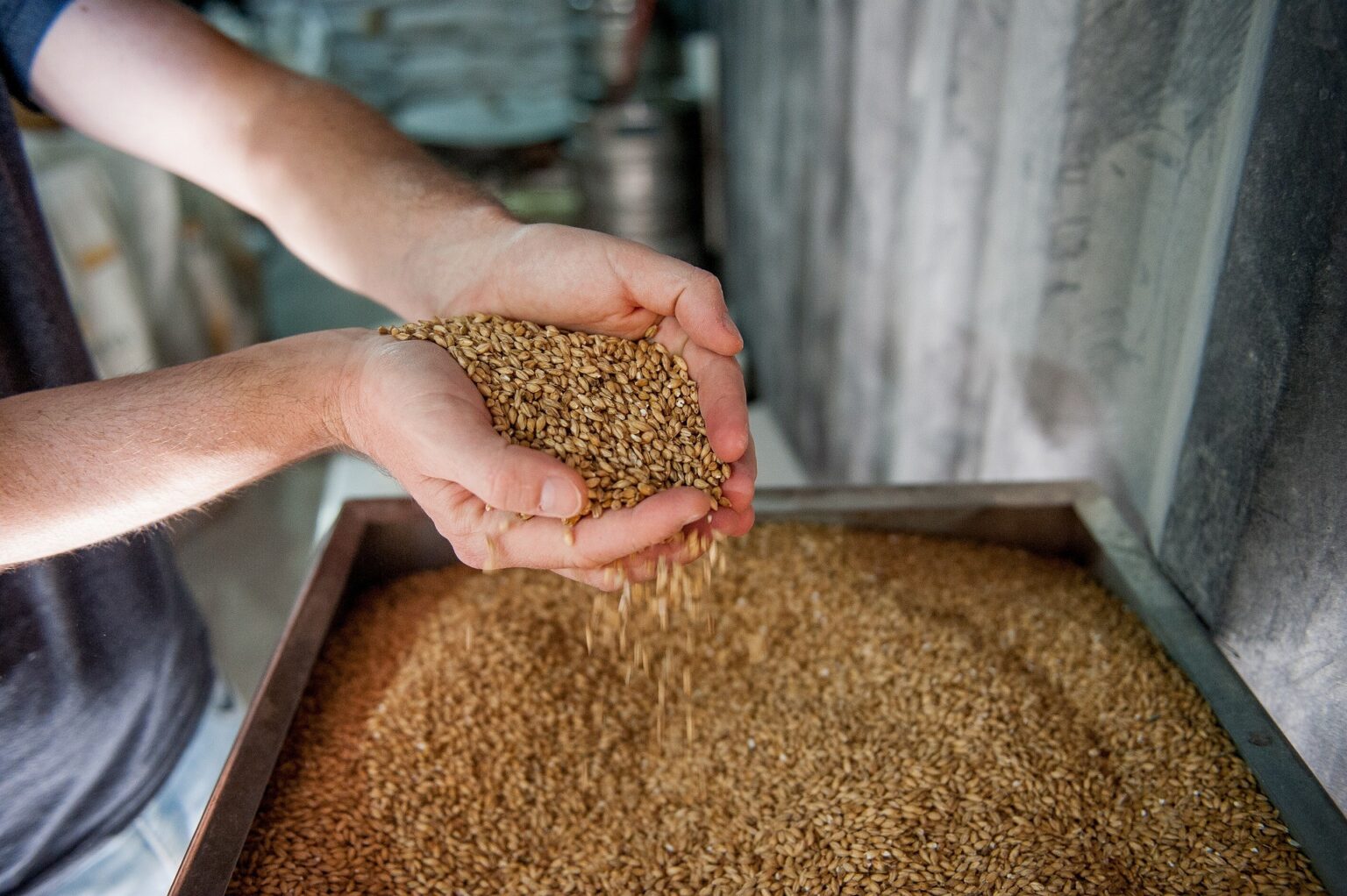

When we talk about beer, we immediately think of hops, foam, the golden or amber color, and the more or less bitter taste. Yet, at the base of many beers there is an even more important ingredient: barley. More precisely, in most cases malted barley is used, which is selected barley that has been germinated, dried, and prepared for beer production. The barley used for beers isn’t just any barley. It must have specific characteristics: good germination ability, healthy and uniform grains, adequate starch content, well-balanced proteins, and a structure suitable for malting. These qualities influence fermentable sugars, body, color, aromas, and the stability of the beer.
Understanding which barley is used to make beer helps better appreciate one of the oldest and most widespread beverages in the world. Even before hops and yeast, beer is born from the grain and its transformation into malt. For those who want to start from the basics, it can be useful to also read the guide tounderstanding beers, which explains styles, ingredients, and main characteristics of the beverage.
What kind of barley is used to make beer?
Barley used to make beer is mostly malt barley, meaning barley grown and selected specifically to be transformed into malt. Malt is the ingredient that, during mashing, releases the sugars that yeast will then convert into alcohol and carbon dioxide. Barley is just one of the fundamental elements in brewing. Alongside malt, water, hops, and yeast also come into play: these last ones are decisive for fermentation, as explained in the deep dive onwhich yeasts are used for beers.
The most common botanical species is common barley, belonging to the speciesHordeum vulgare. Within this species, however, there are different varieties, not all suitable for brewing. Varieties intended for beer must meet stricter quality criteria than barley used for animal feed or other agricultural uses. In brewing, we often talk about two-row and six-row barley. Two-row barley, also called distichous, is widely used for malt production because it tends to have larger and more uniform grains. Six-row barley, or hexastichous, may have higher enzymatic power but has different characteristics and is used in specific contexts.
Barley and malted barley: what’s the difference?
One of the most common misconceptions concerns the difference between barley and malted barley. Barley is the grain harvested in the fields. Malted barley is instead the result of a process called malting. During malting, barley grains are allowed to germinate. This process activates natural enzymes capable of transforming the grain’s starches into simpler sugars. After germination, the process is stopped by drying, also called kilning. Depending on the temperature and duration of drying, lighter, darker, roasted, or more aromatic malts are produced.
So, beer is normally not made from raw barley but from malted barley. Malt gives beer a fundamental part of its character: color, sweetness, body, biscuity, caramelized, roasted, or toasted notes.
Why is barley so important in beer?
Barley is particularly suited to beer production because it has a favorable balance between starch, enzymes, proteins, and grain structure. Starch is the seed’s energy reserve and represents the base from which fermentable sugars are obtained. The enzymes activated during malting are fundamental because, during mashing, they help convert starches into sugars. Without this transformation, the yeast would not have enough nourishment to produce alcohol.
Another important element is the grain’s husk. In barley, the outer part of the seed helps create a natural filtering bed during the separation of wort from spent grains. This makes barley very practical also from a technical standpoint. The quality of the malt also influences aspects the consumer immediately notices in the glass, such as body, aroma, and foam persistence. It’s no coincidence that thebeer foam is not just decorative but tells a lot about the structure and serving of the beverage.
What is two-row barley?
Two-row barley is a variety of barley where grains are arranged in two rows along the ear. It is highly appreciated in malt production for beer because it tends to have larger, more regular grains rich in starch. This uniformity is important: similar grains behave better during malting, absorb water more evenly, and ensure more controllable results. For this reason, two-row barley is often preferred in beers where cleanliness, balance, and good extract yield are sought.
Many base malts used by brewers come precisely from two-row barley. These malts provide the main structure of the recipe, leaving room for hops, yeast, and any special malts.
What is six-row barley?
Six-row barley, or hexastichous, has grains arranged in six rows along the ear. Compared to two-row barley, it can have higher enzymatic power, but often less uniform grains and higher protein content. These characteristics make it interesting in some productions, especially when cereals or ingredients with lower enzymatic capacity are present in the recipe. In some brewing contexts, six-row barley can help starch conversion.
However, this does not mean it is absolutely better. The choice between two-row and six-row barley depends on the beer style, production tradition, available raw materials, and the brewer’s goal.
What characteristics must brewing barley have?
Good brewing barley must be healthy, clean, and suitable for malting. The quality of the grain affects the entire production process, from germination to fermentation. Among the most important characteristics are:
- high germinability, because grains must germinate uniformly;
- good starch content, necessary to obtain fermentable sugars;
- balanced proteins, useful for body and foam, but problematic if too high;
- uniform grains, for a more regular malting;
- low presence of impurities, foreign seeds or damaged grains;
- absence of molds and defects, which could compromise aroma and safety.
Quality beer thus begins long before the brewing room. It starts in the field, from the variety grown, the climate, the harvest, and the storage of the grain.
Why is starch so important?
Starch is the energy core of barley. During beer production, it must be transformed into simpler sugars, which will become the yeast’s nourishment. This transformation mainly occurs during mashing, when the crushed malt is mixed with hot water. If the barley has a good starch content and good enzymatic activity, the brewer can obtain a wort rich in fermentable sugars. From that wort will come alcohol, fermentation aromas, and part of the final structure of the beer. A poor or unsuitable barley for malting can instead yield lower outputs, technical problems, and less clean profiles.
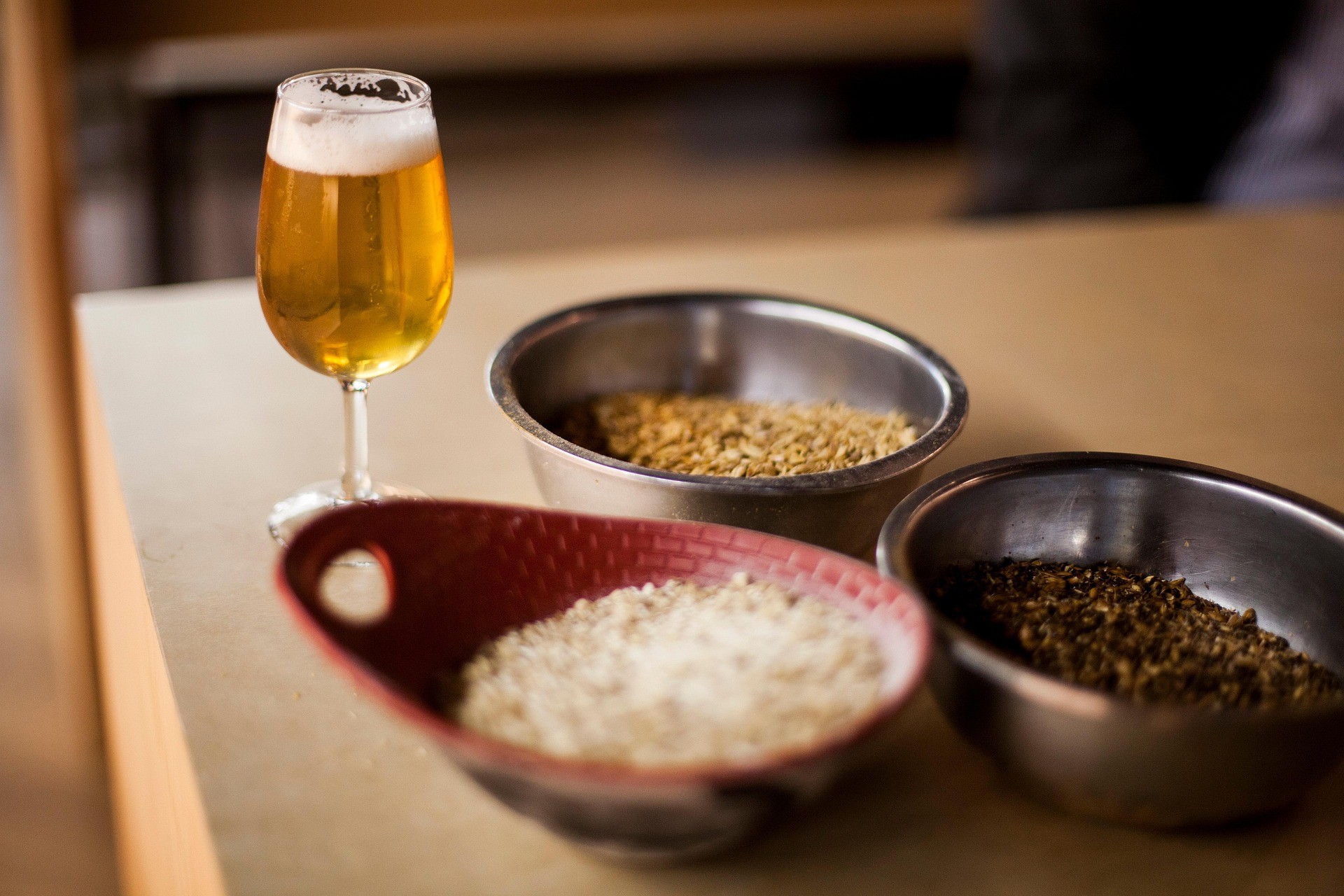
The role of proteins in brewing barley
Proteins are important, but they must be present in the right amount. A certain quantity contributes to beer structure, mouthfeel, and foam retention. However, if there are too many, they can create haze, filtration problems, and lower extract yield. This is why malt barley is also selected based on protein content. The balance is essential: too little can make the beer thin-bodied, too much can complicate the process and result in a less stable product.
How barley is transformed into malt
The transformation of barley into malt occurs through malting. It is a fundamental step because it makes the grain usable in beer production. The process can be summarized in three main stages:
- steeping, during which the grains are hydrated;
- germination, during which enzymes activate;
- kilning, which stops germination and develops color and aromas.
After these stages, the malt is cleaned, allowed to stabilize, and then destined for beer production. Before use, it is milled to allow hot water to extract sugars, enzymes, and aromatic substances.
Light, amber, and roasted malts
Not all barley malts are the same. The difference mainly depends on how the malt is dried or roasted. Light malts form the base of many golden, light beers. They have delicate aromas of cereal, bread, honey, and biscuit. Amber or caramel malts give more color and sweet notes, which may recall caramel, bread crust, dried fruit, or dark honey. Roasted malts, on the other hand, are used for dark beers and can impart hints of cocoa, coffee, licorice, roasting, and dark chocolate.
The color of the beer, therefore, depends not only on the type of barley but mainly on the type of malt and roasting level. The final color is important as it affects the beverage’s perception, but it should not be confused with the color of the bottle: the color of beer bottle glass serves a different purpose, mainly related to protection from light.
Do all beers use barley?
Many beers use barley malt as the main ingredient, but not all rely exclusively on barley. Several recipes may include wheat, oats, rye, corn, rice, or other grains. Wheat is widely used in some white and weizen beers, contributing softness, foam, and characteristic notes. Oats and rye can add body, creaminess, or spiciness. Corn and rice are sometimes used to lighten the body and make the beer crisper.
This variety of ingredients is one of the reasons why the brewing world is so vast. To better navigate between industrial, craft productions, and different styles, it can be useful to understand also how to recognize a craft beer. However, barley remains the reference grain because it offers a particularly favorable combination of starch, enzymes, and technical practicality.
Is it possible to make beer without barley malt?
Yes, it is possible to produce beers without barley malt, but we must distinguish between special, experimental, and gluten-free beers. Since barley contains gluten, those who must avoid it for medical reasons cannot consume traditional beers based on barley malt, except for products specifically treated and certified according to regulations. Gluten-free beers can be produced with naturally gluten-free grains such as sorghum, rice, corn, buckwheat, or millet, or with techniques that reduce gluten content. In any case, these are different productions compared to classic barley malt-based beer.
Spring barley and winter barley
Barley intended for beer can be grown as spring barley or winter barley. The difference lies in the cultivation cycle: spring barley is sown in spring, while winter barley is sown in autumn and goes through the colder months. Both can be used for malt production, as long as they meet the required quality characteristics. The choice depends on the territory, climate, variety, and the needs of the supply chain.
For the end consumer, this distinction is less obvious, but it is important for farmers, maltsters, and brewers because it affects yield, crop quality, and raw material availability.
Why the quality of barley changes the beer
The quality of barley directly affects the quality of the malt and, consequently, the beer. Good malt allows for a more balanced wort, a more consistent fermentation, and a cleaner aromatic profile. Poor or unsuitable malt can cause issues with yield, haze, instability, unpleasant aromas, or difficulties during processing. For this reason, breweries carefully select their malt suppliers and evaluate the technical characteristics of the batches used. In the glass, this attention results in more harmonious beers, with greater coherence between color, body, aroma, and taste.
What flavor does barley give to beer?
Barley malt can impart many different nuances to beer. In lighter malts, notes of bread, cereal, honey, biscuit, and light crust emerge. In darker malts, you find hints of caramel, dried fruit, roasting, cocoa, or coffee. The contribution of barley is not only aromatic. Malt also influences the beer’s body, softness, sweetness perception, color, and foam persistence.
To appreciate these nuances, the serving matters too. The right glass can enhance aromas, foam, and the perception of body: that’s why there are several beer glasses designed to accompany different styles. For this reason, even when the hop character is very prominent, the malt base remains fundamental. It is the malt that supports the beverage’s balance.
Difference between food barley and brewing barley
Food barley and brewing barley belong to the same agricultural world but have different destinations. Food barley can be used for soups, broths, flours, baked goods, or beverages. Brewing barley must be suitable for malting. This means it must germinate well, have controlled technical parameters, and ensure good behavior during the malt production process. It is not enough for it to be edible or of generally good quality: it must be functional for brewing production.
From barley to glass
The journey of beer doesn’t end with the choice of barley and malt production. After fermentation, maturation, and packaging, storage and serving also affect the final experience. Bottles, cans, kegs, and other beer containers have different characteristics and can influence protection, practicality, and consumption methods. Behind a well-made beer, there is therefore a long supply chain, starting from the cereal and reaching the way the beverage is brought to the table. An ancient story, rooted in the first agricultural civilizations: to learn more about this, you can also read the story about who invented beer.
Conclusion
The barley used for beers is mainly malting barley, selected to be transformed into barley malt through malting. This step makes the cereal suitable for brewing because it activates enzymes and prepares starches for conversion into fermentable sugars. The most commonly used is often two-row barley, appreciated for uniform kernels and good yield, but six-row barley can also play a role in specific productions. What truly matters is the brewing quality of the grain: germination, starch, proteins, health, and uniformity.
Behind a well-made beer, then, there is not just a recipe. There’s a supply chain that starts from the field, passes through malting, and reaches the brewer’s work. Barley is the silent but decisive starting point of many aromas, colors, and flavors we find in the glass.
Frequently Asked Questions
Which barley is used for making beer?
Brewing mostly uses malting barley, meaning barley selected for malt production. Barley malt provides fermentable sugars, enzymes, color, body, and aromas to the beer.
Is beer made with raw barley or barley malt?
Most beers are produced with barley malt, not raw barley. Malt is barley that has germinated and been dried, made suitable for converting starches into sugars during mashing.
What is the difference between two-row and six-row barley?
Two-row barley has kernels arranged in two rows and is often valued for uniformity and starch richness. Six-row barley has kernels in six rows and can have a higher enzymatic power but different characteristics.
Do all beers contain barley?
Many traditional beers contain barley malt, but there are also beers made with wheat, oats, rye, corn, rice, or other cereals. Gluten-free beers can use alternative grains or specific processes.
Why is barley important in beer?
Barley is important because, when transformed into malt, it provides the sugars needed for fermentation. It also influences color, body, foam, sweetness, and aromas of the beer.
{
“@context”: “https://schema.org”,
“@type”: “FAQPage”,
“mainEntity”: [
{
“@type”: “Question”,
“name”: “Quale orzo si usa per fare la birra?”,
“acceptedAnswer”: {
“@type”: “Answer”,
“text”: “Per fare la birra si usa soprattutto orzo da malto, cioè orzo selezionato per essere trasformato in malto. Il malto d’orzo fornisce zuccheri fermentabili, enzimi, colore, corpo e aromi alla birra.”
}
},
{
“@type”: “Question”,
“name”: “La birra si fa con orzo crudo o malto d’orzo?”,
“acceptedAnswer”: {
“@type”: “Answer”,
“text”: “La maggior parte delle birre si produce con malto d’orzo, non con orzo crudo. Il malto è orzo germinato ed essiccato, reso adatto alla trasformazione degli amidi in zuccheri durante l’ammostamento.”
}
},
{
“@type”: “Question”,
“name”: “Che differenza c’è tra orzo distico ed esastico?”,
“acceptedAnswer”: {
“@type”: “Answer”,
“text”: “L’orzo distico ha chicchi disposti su due file ed è spesso apprezzato per uniformità e ricchezza di amido. L’orzo esastico ha chicchi su sei file e può avere maggiore potere enzimatico, ma caratteristiche diverse.”
}
},
{
“@type”: “Question”,
“name”: “Tutte le birre contengono orzo?”,
“acceptedAnswer”: {
“@type”: “Answer”,
“text”: “Molte birre tradizionali contengono malto d’orzo, ma esistono anche birre con frumento, avena, segale, mais, riso o altri cereali. Le birre senza glutine possono usare cereali alternativi o processi specifici.”
}
},
{
“@type”: “Question”,
“name”: “Perché l’orzo è importante nella birra?”,
“acceptedAnswer”: {
“@type”: “Answer”,
“text”: “L’orzo è importante perché, trasformato in malto, fornisce gli zuccheri necessari alla fermentazione. Influenza anche colore, corpo, schiuma, dolcezza e aromi della birra.”
}
}
]
}