

Kuchan (Matt Kuchan, Ph.D., principal scientist in brain health nutrition discovery at Abbott, a global healthcare company) and two other brain health experts shared the latest research on which foods help keep our minds sharp—and which ones to avoid.
Brain-healthy foods
1. Brightly colored fruits
Vibrantly colored fruits are rich in an important antioxidant called lutein, which is well known for improving vision, but emerging research shows it also offers several brain benefits. “In a recent study conducted by Abbott and the University of Illinois at the Center for Nutrition, Learning & Memory, older adults who consumed more lutein showed higher crystallized intelligence—the ability to retain and use information acquired over a lifetime,” says Kuchan.
If you’re going to load up on colorful fruit, make it blueberries, which “offer major health benefits while tasting like a completely natural candy,” says Christopher Calapai, MD, a board-certified osteopathic physician specializing in longevity. Blueberries are among the world’s most powerful antioxidant sources, rich in fiber and vitamins C and K. They also contain high levels of gallic acid, which, according to Calapai, “helps protect the brain from degeneration and stress.”
2. Leafy greens and broccoli
Leafy greens such as kale, chard, cabbage and romaine lettuce—as well as broccoli—are also rich in lutein. In addition, they contain another powerful nutrient called zeaxanthin. “Further research suggests that a combination of lutein and zeaxanthin can help improve processing speed and memory at any age,” says Kuchan. (Broccoli also contains high levels of vitamin K and choline, which help keep memory sharp.)
To get the benefits, Kuchan recommends aiming for at least six milligrams of lutein and two milligrams of zeaxanthin per day—roughly the equivalent of one cup of cooked kale. (You can also find this combination in supplement form, if appropriate for you.)
3. Turmeric and black pepper
According to Mike Dow, Psy.D., brain health expert and author of Healing the Broken Brain, this simple spice combination helps keep the mind sharp over time. Why both together? “turmeric is a powerful anti-inflammatory, and black pepper makes it bioavailable—meaning it helps your body absorb it and deliver it to the brain,” says Dow. Once there, the combination “helps prevent the buildup of plaques linked to dementia and may also support the treatment of depression.”
You can easily include these spices in your daily diet by adding half a teaspoon of each to your meals, or try Dow’s “wellness shot”: half a teaspoon of turmeric, half a teaspoon of black pepper, a small amount of water and fresh lemon juice.
4. Nuts, seeds and avocado
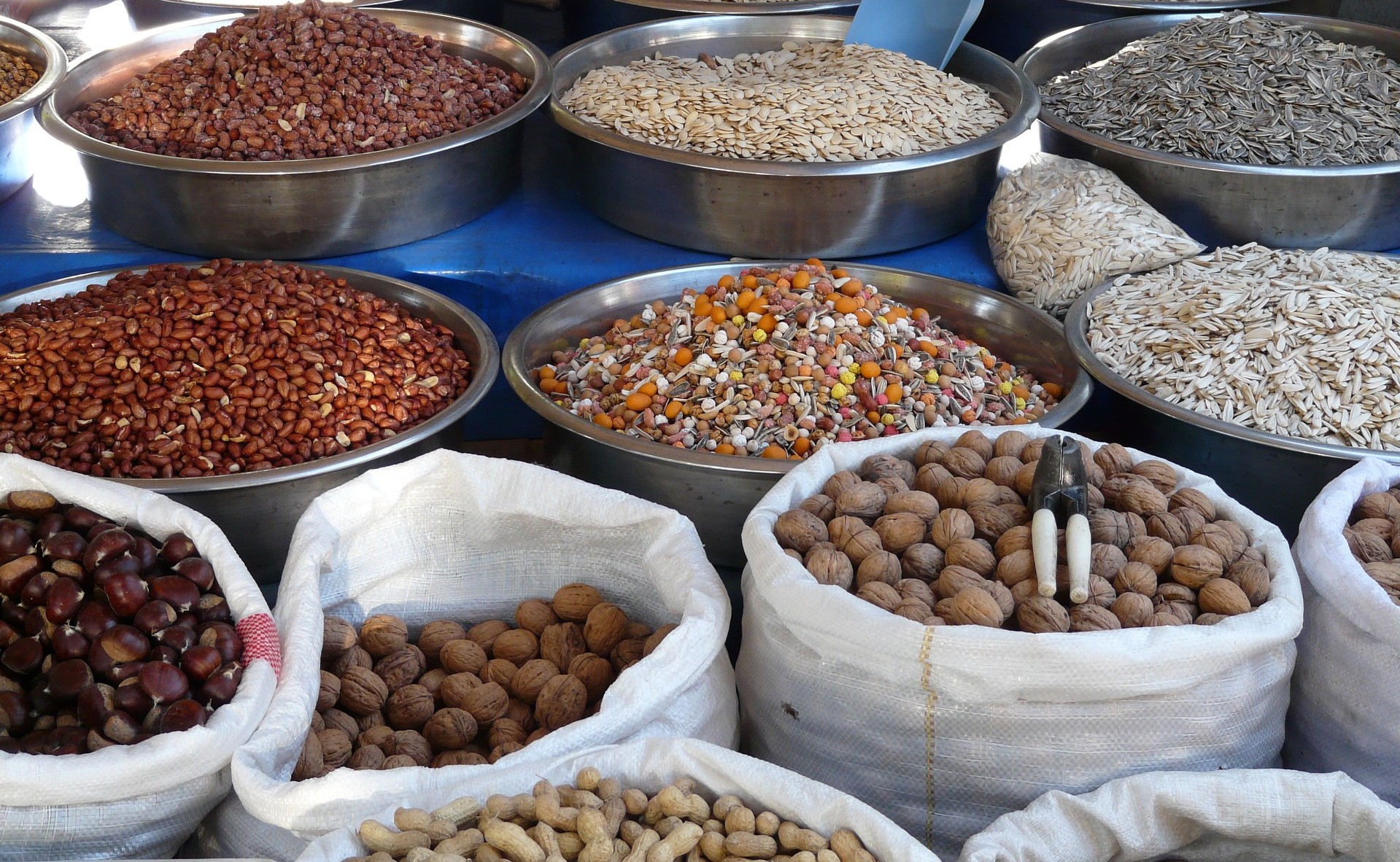
Walnuts, almonds, cashews, chia seeds, flaxseeds and pistachios are rich in omega-3 fatty acids, which “play a key role in preserving cognitive function and slowing brain aging,” says Kuchan. Research shows that older adults at risk of Alzheimer’s who consumed more omega-3s performed better in tests of cognitive flexibility—the ability to switch efficiently between tasks. Since the body doesn’t naturally produce omega-3s, it’s essential to include them in your diet.
Nuts and seeds are also an excellent source of vitamin E, which “is found in areas of the brain linked to memory, vision and language development,” says Kuchan. Higher vitamin E levels have been associated with slower cognitive decline with age, adds Calapai. For a healthy daily snack, aim for about one ounce of mixed nuts or nut butters such as peanut butter, almond butter or tahini. Avocados are also rich in vitamin E.
5. Fish
DHA is a specific type of omega-3 fatty acid associated with better access to and use of information, says Kuchan. While it’s harder for the body to extract DHA from plant sources, seafood provides it in a highly bioavailable form. “Some fish should be wild-caught to ensure they are high in DHA and low in mercury (such as salmon),” says Dow. “Others, like rainbow trout and Arctic char, offer high DHA levels even when farmed.” Seafood is also another excellent source of vitamin E.
6. Black coffee and tea
Good news: your morning boost is actually beneficial for your brain. “The combination of antioxidants in coffee and tea, along with moderate caffeine intake, has neuroprotective effects,” explains Dow. “That’s why people who drink three cups of coffee a day have a significantly lower risk of dementia.”
Foods that harm brain health
1. Sugar
If you needed another reason to avoid sugary snacks, elevated blood sugar levels don’t just lead to weight gain and diabetes—they also increase the risk of dementia, stroke and anxiety, says Dow. A study published in Brain, Behavior and Immunity found that excess sugar can inflame the hippocampus—the brain’s memory center—reducing its efficiency. Another cross-cultural analysis linked high sugar intake to depression.
2. Partially hydrogenated oils
These are trans fats, which experts say are extremely harmful to brain health. “In addition to increasing the risk of obesity and harming heart health, trans fats can also damage cognitive function,” says Calapai. Studies have linked high trans fat intake to Alzheimer’s disease and found that people who consume more trans fats tend to have lower cognitive performance and smaller brain volume later in life. Fried and highly processed foods are the main culprits.
3. Factory-farmed animal products
Factory-farmed meat and dairy products are typically low in nutrients and high in saturated fats, which can negatively affect brain health in both the short and long term. “They may reduce the brain’s ability to fight the formation of Alzheimer’s-related plaques,” says Calapai, referencing research published in JAMA Neurology. In the short term, saturated fat can impair your brain’s ability to learn new information and form new memories within minutes after eating.
“If you eat meat, treat it as a side dish rather than the main course,” says Dow. Whenever possible, choose organic, pasture-raised or free-range options, which contain higher levels of omega-3s compared to factory-farmed products.
Source: The Thirty