
Are you interested in eliminating toxins from your body? Do you need to follow a diet or take supplements to do so? If you are wondering whether to do a cleanse or detox, this article is for you because we will highlight the exact foods you need to support your body’s natural detoxification systems.
Detoxification is the processing and removal of compounds in the body that cause tissue damage. We often associate detoxification with special expensive products, vitamins/minerals, herbal extracts/teas, or other “diets.” These detox plans are often restrictive and unsustainable for the purpose of a “quick” cleanse of your body. The truth is that for a detox diet, a variety of vitamins and minerals are needed to support the powerful systems already in place. Humans have the necessary systems for optimal function and survival. Research has shown that there are some vitamins, minerals, and other bioactive substances present in foods that can naturally support detoxification.
The liver
The liver functions as one of the body’s primary detoxification organs. By increasing the intake of foods rich in certain nutrients that promote liver function and detoxification pathways, you can support this vital organ and promote its best performance in detoxifying your body. To quickly eliminate toxins, some fat-soluble toxins must be modified to become water-soluble so they can be excreted via our waste removal systems that use water like the kidneys. To achieve this, the liver performs detoxification in two phases.
In phase 1, specific enzymes work to create a reactive site on toxic compounds which allows phase 2 to begin, and other enzymes bind a water-soluble group to this reactive site. This makes the toxin water-soluble, enabling its removal from the body through our natural discharge systems. Hydration is critical in phase 2, as a greater amount of available water increases the rate at which we can remove water-soluble waste products. During both phases, free radicals (compounds that can cause damage) are created as natural byproducts of the modifying compounds, so antioxidant nutrients play an important role in neutralizing free radicals and preventing oxidative damage to tissues.
The best way to optimize your natural detoxification system’s function is to provide it with the nutrients needed to fuel the process.

Nutrient-rich foods for Phase 1
Allium vegetables
Examples: garlic, onions, shallots
Nutrients: flavonoids, sulfur
Cruciferous vegetables
Examples: broccoli, Brussels sprouts, cabbage, mustard greens
Nutrients: riboflavin, indoles, magnesium, niacin, vitamin C
Nuts and seeds
Nutrients: B2, pantothenic acid (B5), essential amino acids, flavonoids, folic acid, magnesium, niacin, selenium
Red/orange/yellow products
Examples: peppers, berries, carrots, citrus fruits, tomatoes
Nutrients: magnesium, vitamins A, C, E
Seafood
Examples: crab, clams, halibut, salmon, shrimp
Nutrients: riboflavin, B12, folic acid, niacin, omega fats, selenium
Nutrient-rich foods for Phase 2
Beans and Legumes
Examples: baked beans, cashews, lentils, soy
Nutrients: essential amino acids, folate, flavonoids, magnesium, niacin, selenium
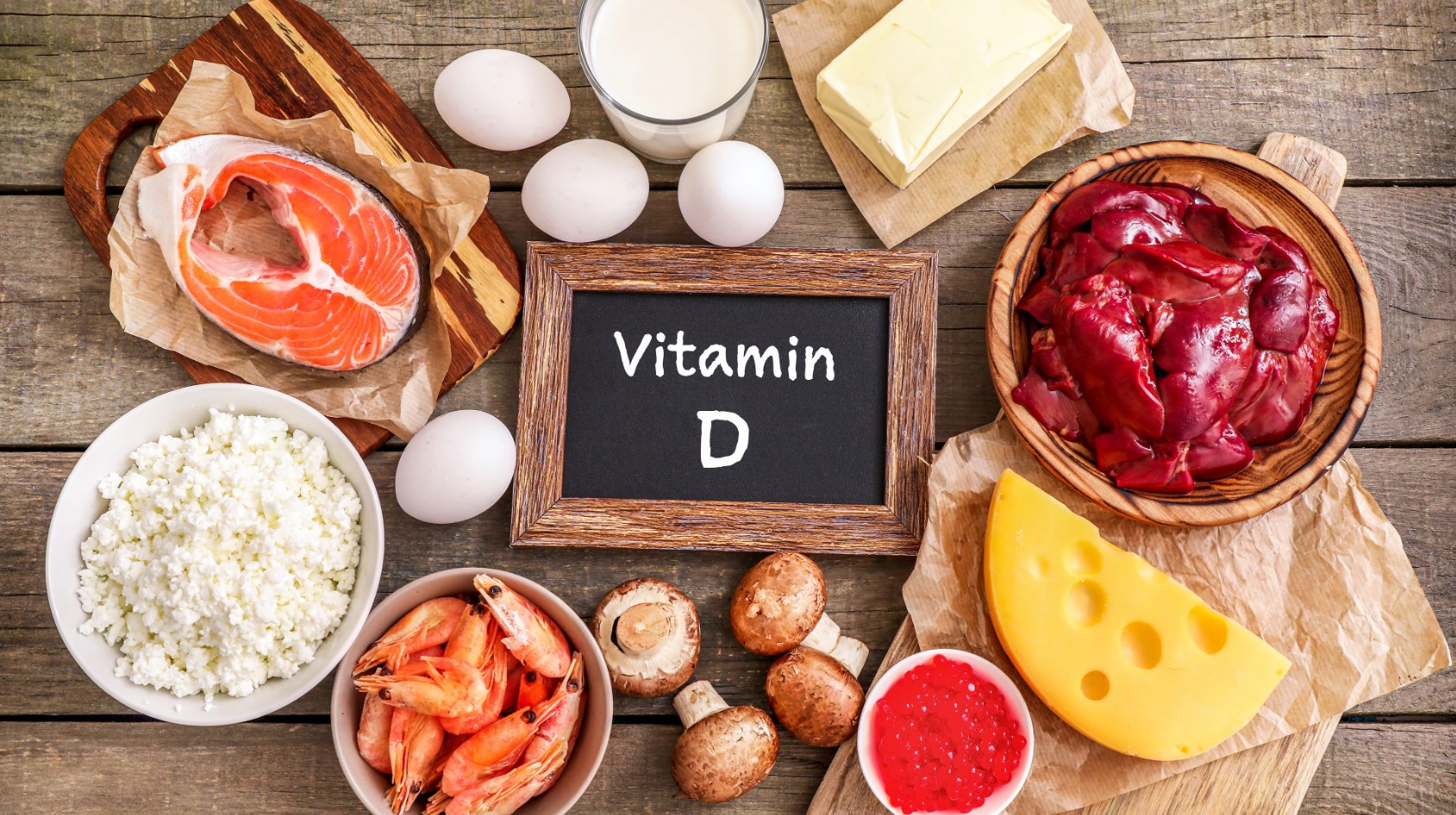
Dairy
Examples: cheeses, skim milk, yogurt,
Nutrients: riboflavin, pantothenic acid (B5), B6, B12, essential amino acids, magnesium, selenium
dark green leafy vegetable
Examples: arugula, bok choy, cilantro, spinach
Nutrients: flavonoids, sulfur, vitamins C, K
Eggs
Nutrients: riboflavin, pantothenic acid (B5), B12, essential amino acids
Mushrooms
Examples: maitake, oyster, portabella, shiitake
Nutrients: riboflavin, pantothenic acid (B5), essential amino acids, niacin, selenium
Seafood
Examples: cod, salmon, tilapia
Nutrients: B6, B12, essential amino acids, folic acid, omega fats, selenium
Whole grains
Examples: brown rice, enriched cereals/cereal, oats, wheat
Nutrients: pantothenic acid (B5), essential amino acids, folic acid, magnesium
Combined with consuming a variety of the foods listed above, maintaining good hydration and fiber intake are great ways to help the body remove toxins after they have been processed in the liver. Proper hydration helps the kidneys remove waste and, along with increased dietary fiber intake, helps maintain regular waste removal through the digestive tract (bile/feces). By consuming these foods, you can provide your liver with the necessary elements to function at its best, successfully and quickly transforming toxic compounds in your body into waste for removal by other organs.
Source foodtrients