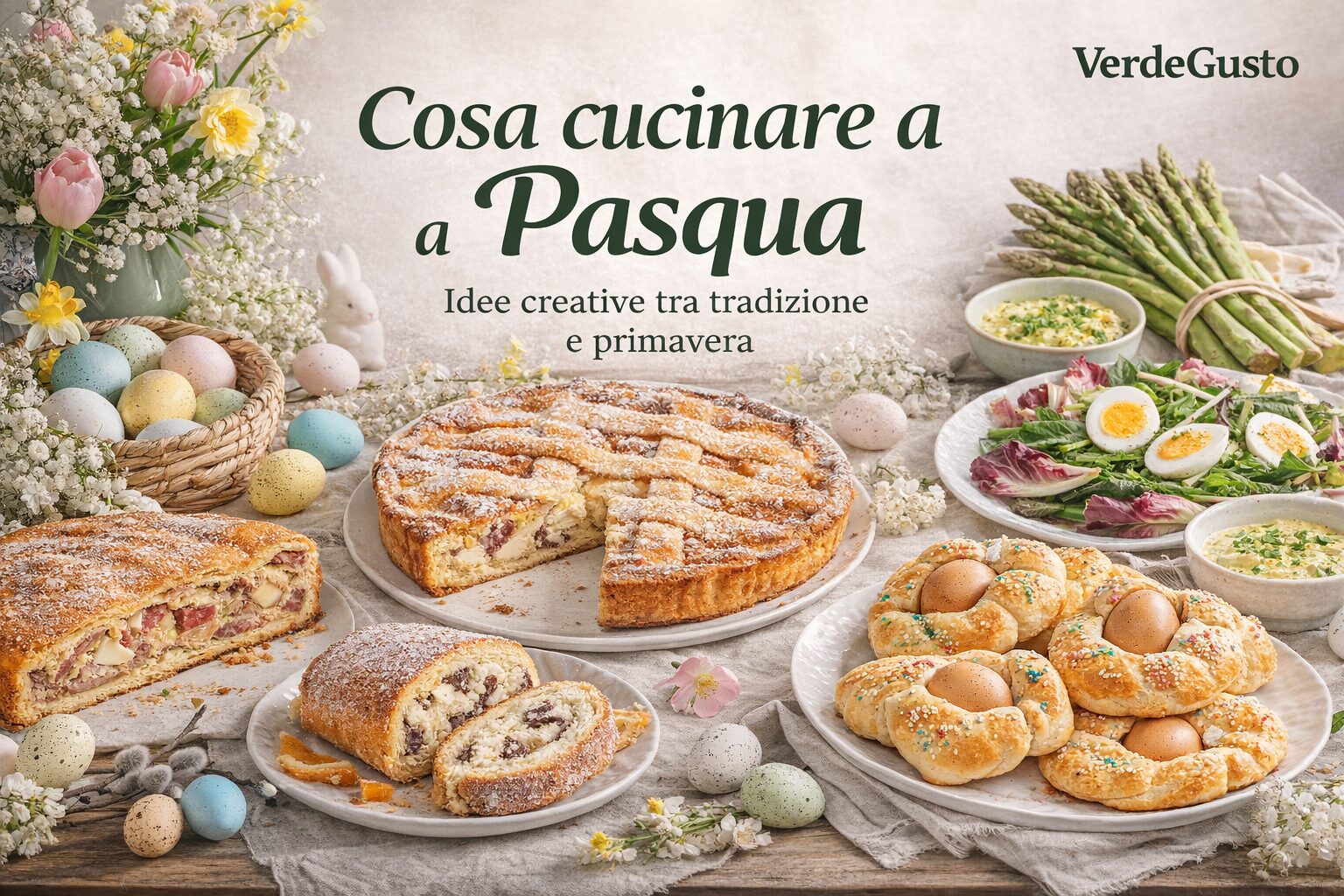
Easter is not just a holiday, it is a moment of transition. The days grow longer, the light changes, nature regains strength, and all of this inevitably enters our kitchens as well. It is no coincidence that many Easter recipes use ingredients that mark the end of winter and the beginning of spring: eggs, wild herbs, fresh vegetables, simple but symbolic doughs. Preparing the Easter menu therefore means making a precise choice: bringing to the table dishes that tell of the territory, the season, and a tradition that renews itself every year. But it also means reinterpreting these dishes, making them lighter, more contemporary, closer to our rhythms.
If you are wondering what to cook for Easter, here you will find a journey through recipes and ideas that combine tradition and creativity, perfect for building a complete and seasonally coherent menu.
Why certain ingredients are cooked at Easter
Many Easter dishes originate from a simple logic: using what the land offers at this time. Eggs, a symbol of rebirth, are present in many preparations. Wild herbs, like dandelion, represent peasant cooking, made of gathering and seasonality. Asparagus, among the first spring vegetables, bring freshness and lightness after months of richer dishes.
Cooking with seasonal ingredients is not only a matter of taste but also of balance: the dishes are more harmonious, more digestible, and often more sustainable too.
Appetizers and opening dishes: tradition that welcomes
The Easter lunch often begins with rich preparations, designed for sharing. These are dishes brought to the table whole, to be cut and divided, and that convey a very clear idea of conviviality.
Stuffed pizza or pizza chiena
Among the great classics of Southern Italy, stuffed pizza is a dish that embodies the entire meaning of the celebration: abundance, sharing, full flavor. Every family has its own version, richer or simpler, but the idea remains the same: a shell that holds a generous filling.
If you want to prepare it, you can follow the complete recipe for stuffed pizza, perfect both as an appetizer and as a main course.
Dandelion salad with eggs
Alongside heartier dishes, peasant tradition brings to the table essential preparations, born from what is gathered in the fields. Dandelion is one of the symbolic ingredients of this period: slightly bitter, fresh, spring-like.
Paired with eggs, it becomes a simple but meaningful dish. You can discover how to prepare it in the recipe for dandelion salad with eggs.
Spring dishes: lightness and seasonality
After months of heavier cooking, Easter is also the time to return to lighter dishes, where the raw ingredients are the protagonists.
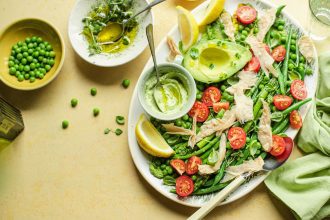
Asparagus with Bolzano sauce
Asparagus is among the first stars of spring. They have a delicate but distinct flavor and lend themselves to preparations that are both elegant and simple.
Bolzano sauce accompanies them, enhancing their taste without overpowering it. If you want to bring them to the table, you can follow the recipe for asparagus with Bolzano sauce.
Char with radicchio and asparagus
For those looking for a second course different from the usual, this proposal harmoniously combines seasonal ingredients. Radicchio, with its character, meets the delicacy of the fish and the freshness of the asparagus.
A combination that perfectly tells the transition between winter and spring, as in the recipe for char with radicchio and asparagus.
Easter sweets: symbols, tradition, and variations
Sweets are perhaps the most distinctive part of Easter cuisine. Every territory has its own, but they all share one element: they tell a story, often linked to family, memory, and celebration.
Calabrian cuzzupa
The cuzzupa is one of the symbolic Easter sweets in Southern Italy. Its shape and the presence of eggs make it immediately recognizable and full of meaning.
You can choose between a simpler version, like the quick cuzzupa, or a more traditional preparation like the cuzzupa with brewer’s yeast.
Neapolitan pastiera
The pastiera is probably the most well-known Easter sweet. It smells of citrus, has a unique texture, and encloses a long and fascinating story.
You can stay with the tradition with the classic pastiera, or try a more indulgent variant like the chocolate pastiera.
Ricotta and chocolate roll
If you’re looking for a different dessert but still in line with Easter flavors, this roll is an interesting option. The ricotta recalls tradition, while the chocolate adds a more modern note.
You can prepare it following the ricotta and chocolate roll recipe.
A complete menu for Easter
Putting all these ideas together may seem complex, but in reality, it just takes finding a balance between tradition and lightness. If you want a ready-made guide, you can consult the complete Easter menu, designed to guide you step by step.
Renewing tradition without losing it
Cooking at Easter doesn’t mean always replicating the same dishes in the same way. Tradition is alive precisely because it changes, adapts, and enriches itself.
Starting with seasonal ingredients, lightening preparations, experimenting with small changes: these are all ways to maintain the connection with what was, without giving up who we are today.
In the end, more than the single dish, it’s the whole that matters: a table that tells the story of the season, the territory, and the pleasure of sharing.
Frequently asked questions about Easter cooking
What is traditionally cooked at Easter?
Among the most common dishes are savory pies, recipes with eggs, dishes based on spring vegetables, and typical sweets like pastiera and cuzzupa.
Which ingredients are typical for Easter?
Eggs, asparagus, wild herbs, ricotta, and citrus fruits are among the most used ingredients in Easter cooking.
How to create a balanced Easter menu?
It’s advisable to alternate richer traditional dishes with lighter preparations based on seasonal ingredients.
Why is it important to use seasonal ingredients?
Seasonal ingredients are fresher, more flavorful, and allow for creating more balanced and sustainable dishes.