 Portata:
 Ingredienti:
 Cotture:
 Cucina:
 Difficoltà:
 Menu:
Menu:

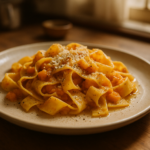

The recipe by Max Mariola, certified by MSC, combines tradition with sustainable products. The Sardinian fregola with artichokes and clams is born precisely from this perspective.

Fregola sarda with artichokes and lupins
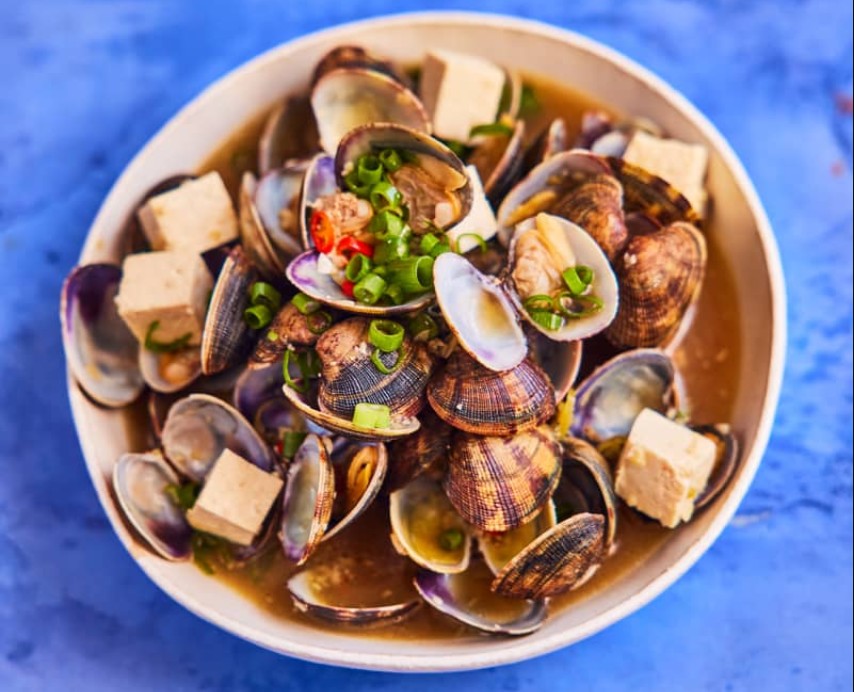
The Sardinian fregola with artichokes and lupini beans for a traditional and sustainable food.
Ingredients
Method
- Clean the artichokes; cut 2 into 8 pieces, and slice the remaining, which will be fried, very thinly using a mandoline or a sharp knife.
- Keep them separate in two bowls with water and lemon.
- Meanwhile, open the lupino clams with a garlic clove and parsley stems, adding a glass of running water to get more cooking liquid for the fregola.
- Sauté the two artichokes cut into 8 pieces with one garlic clove and extra virgin olive oil.
- Once browned, add some water and cover with baking paper until cooked.
- Add the fregola to the same pot, flavor with the artichokes, and gradually add the lupino cooking liquid until the fregola is fully cooked.
- Dredge the thinly sliced artichokes in flour and fry in a pan with hot peanut oil until golden.
- Add the lupins and chopped parsley to the pot with the fregola, stirring until the liquid becomes creamy.
- Serve on plates, topped with fried artichokes sprinkled with a little salt.

Notes
The harvesting of clams or lupins in Italy has a long tradition. Initially considered a poor food and hand-harvested for family consumption, in the 1950s it began to be harvested for sale. The shallow sandy bottoms of the Adriatic Sea provide an ideal habitat for lupino clams, which can be found up to 7 meters deep. The first MSC-certified fishing activity in the Mediterranean is located in Italy, in Chioggia, and they harvest lupino clams!
**The oceans contain 80% of the biodiversity of our planet.** They are the Earth’s lungs, providing the oxygen we need and feeding over 3 billion people. So next time you buy fish, look for the blue mark because it signifies that the seafood products come from a fishery committed to protecting fish stocks, habitats, and livelihoods.