
The cabbage is a member of the Brassicaceae, commonly known as the mustard family. The origin of the plant is quite complicated due to the number of genera. The first cultivation of cabbages took place in northern China, about 4000 years ago. In Europe, the plant was cultivated about 3000 years ago and became a worldwide staple. In the wild, it was a leafy plant like kale and was shaped into a head in 14th century England.
Wild cabbage was originally a thick-leafed vegetable grown in the current head form and is closely related to Brussels sprouts, cabbages, broccoli, and kales. It is round, made up of compressed layers of leaves; the inner leaves are protected from sunlight and have a lighter color. The outer leaves are more intensely colored and identify the variety of cabbage.
Cabbage varieties
There are 107 genera in the family; the cabbage is of the genus brassica L.. There are two basic color varieties, green and red, and they range in color from deep to light where the light green cabbage is often called white cabbage. Red cabbage also varies in color: some varieties can be seen as deep purple and are called black cabbage.
Savoy cabbage, also called Sabauda, is a less compact cabbage with textured leaves and a milder flavor compared to tightly packed cabbages, and it has the same color variations. Chinese cabbage is of a different genus from common cabbage; it belongs to the genus Brassica rapa.
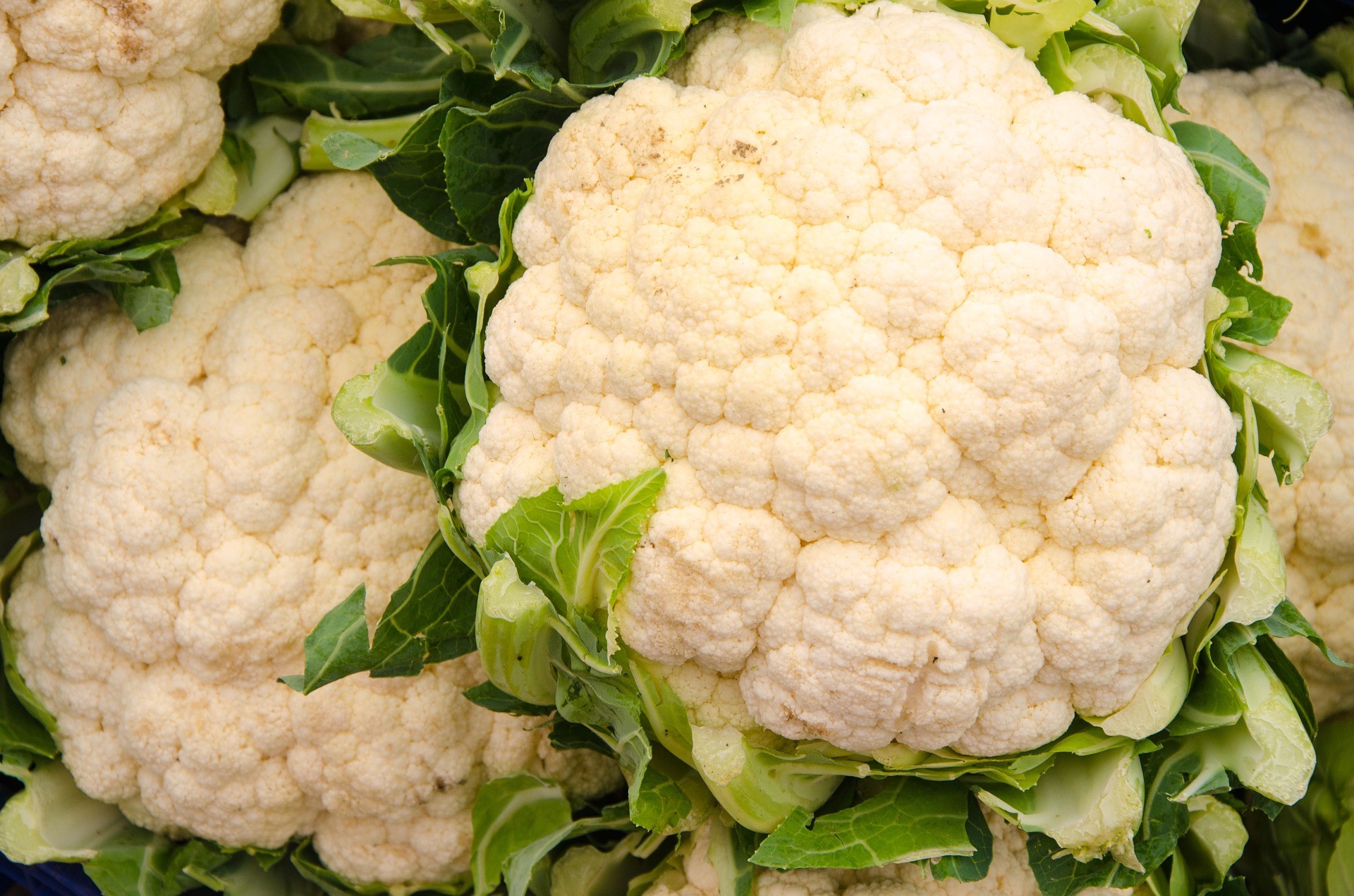
Cauliflower
The cauliflower available from September to May is round in shape and white or reddish-purple in color, weighing between 1 and 1.5 c kilograms.
Cabbage
The cabbage is mainly grown in southern Italy. Bright green in color and weighs about 1 kg. It can be found from October to May.

Savoy cabbage
Savoy cabbage is grown mainly in central-northern Italy. It has a bright green color, variable weight from 1 to 2 kilograms. Available from October to May.

Broccoli cabbage
The plant resembles that of cauliflower but has a darker color and fewer leaves. The edible portion consists of part of the stem and the inflorescence. Regarding varieties, besides some local ones grown in small areas of southern Italy and the islands, there are numerous cultivars on the market distinguished as early or mid-early and late. Smooth green foliage of varying intensity, tending to gray. It weighs about 1 kilogram. It can be found from October to May.

Health benefits of cabbage
Cruciferous vegetables are great sources of sulfur, which is the fourth most abundant mineral in our body. It is therefore fundamentally important for all functions of our cells. If we lack organic sulfur, our body cannot produce it on its own to rebuild healthy and flexible cells. Its role is to ensure that cells are more “permeable.” This means that cells can more easily eliminate “waste” formed inside them and just as easily absorb nutrients.
- Rich in nutrients, cabbage has healed many diseases for centuries. The vegetable is rich in vitamins C, B1, B2, B6, and K. It is an excellent source of minerals including magnesium, calcium, iron, copper, phosphorus, manganese, potassium, and selenium. Cabbage also contains dietary fiber, protein, pantothenic acid, and niacin. Vitamin C is essential for protecting the body’s defenses against deficiency diseases such as scurvy, weakened immune system, and influenza. The fiber content ensures a healthy digestive system; this bran keeps the lower digestive tract moving freely, reducing the incidence of constipation. The presence of sulfur in cabbage ensures a healthy body free from infections and aids wound healing.
- Cabbage is an excellent food for reducing the incidence of cancer thanks to its antioxidant properties. It limits the growth of free radicals because it contains lupeol, sulforaphane e sinigrin, which stimulates enzymatic activity and inhibits the development of tumors that can become malignant.
- For eye health cabbage is rich in beta-carotene, which reduces the risk of macular degeneration. It also strengthens eye function, reducing the incidence of other eye diseases.
- Cabbage promotes brain health thanks to its vitamin K content. This vitamin enhances brain function and is necessary for the production of sphingolipids, which is the protective coating around nerves known as myelin. Adding cabbage to the diet reduces the risk of neural degeneration, dementia, and Alzheimer’s disease.
- For a healthy skeletal and circulatory system, the minerals in cabbage protect against bone tissue deterioration and reduce the risk of bone diseases such as osteoporosis. High in potassium, cabbage relaxes blood vessels, ensuring easy blood flow and eliminating the risk of hypertension and other vascular diseases.
- The nails and hair are mainly made up of a very strong protein, high in sulfur, called keratin. Flexible tissues such as connective and cartilage tissue contain proteins with flexible sulfur bonds. Collagen is the most abundant protein in our body, as well as a major component of all connective tissues. It provides elasticity to the skin by interacting with fibers of another protein called elastin. In cartilage, glucosamine, chondroitin, and sulfur-containing proteoglycans, together with collagen, form a fibrous protein substance that constitutes the collagen structure itself, making it flexible. MSM (methylsulfonylmethane) is particularly used to accelerate natural hair growth; with constant use, hair that would naturally grow, grows faster and with more strength, thus providing significant help for those losing hair, attempting to promote growth with anti-hair loss products, or having undergone hair transplantation.
- MSM is a natural analgesic: it blocks the transmission of painful impulses through nerve fibers (C fibers).
- MSM blocks inflammation and inflammatory processes, intensifies the activity of cortisol, a natural anti-inflammatory hormone produced by the body.
- MSM improves the permeability of cell membranes. This results in better nutrient and vitamin supply and increases the efficiency of waste and excess fluid elimination from cells.
- MSM dilates blood vessels, improving circulation. This also contributes to the elimination of waste from our body, accelerating healing processes.
- MSM is an effective muscle relaxant, an important but often underestimated benefit; various forms of chronic pain are indeed worsened by constant muscle tension.
- MSM supports the natural defense mechanisms of our body by exerting regulatory actions on prostaglandin metabolism and the formation of antibodies and immune complexes. MSM slows down and restores the formation of cross-links in collagen, a natural process in healing phenomena that leads to the formation of hard tissues, often a source of pain. This pain can be chronic, especially in cases of burn scars affecting large areas of the body. MSM allows the healing of scarred tissues, making the skin softer. There are remarkable cases of people who, thanks to using an MSM-based ointment, have almost seen scars from burns disappear, along with the elimination of the pain caused by them.
The circulatory system of an adult man naturally contains MSM levels around 0.2 mg/kg. Normal adults excrete between 4 to 11 mg of MSM daily through urine. Various studies suggest that systemic MSM concentration in mammals decreases with age, possibly due to metabolic changes or changes in dietary habits.
Among vegetables, cabbage and most cruciferous are also richest in calcium. They can reduce oxidative stress and combat free radical action.
Role of these active principles in the process of amino acid formation (the bases of proteins)
Amino acids
When plants absorb MSM (methylsulfonylmethane) from rain, they transform it into sulfur-containing amino acids, namely methionine and cysteine. Taurine and cystine, the other two sulfur-containing amino acids, are synthesized from cysteine. Our body produces about 80% of the amino acids it needs; these are called non-essential amino acids. The remaining 20%, called essential amino acids, must be obtained from food and include methionine and cysteine. Approximately 28 amino acids are known. Each type of protein consists of a unique series of amino acids arranged in a specific combination. Two cysteine molecules can oxidize and join via sulfur bonds (-S-S-). These bonds are key elements in protein structure, determining their shape, properties, and biological activity.
The most widespread theory indicates that sulfur-containing amino acids, methionine and cysteine, are the main sulfur sources for humans. However, since the discovery of the terrestrial sulfur cycle, this theory has increasingly been questioned. Several million years ago, algae in oceans began producing elemental organic sulfur compounds that led to MSM formation. This biologically active sulfur form likely became the main sulfur source for all later developing life forms. This supports the theory that more evolved organisms are genetically programmed to use MSM as a sulfur source. This hypothesis is further supported by the discovery that MSM can be ingested by all organisms studied so far, in practically unlimited quantities without toxic effects. This cannot be said for sulfur-containing amino acids, methionine and cysteine, which can be consumed in small amounts but may have toxic effects if ingested in high doses.
Role in allergies
MSM relieves symptoms of a large number of allergies, including food allergies, contact allergies, inhalation allergies, etc. MSM’s main anti-allergic property is probably due to its ability to bind to mucosa, creating a natural protective interface between the host and allergens. Moreover, MSM reduces allergies by detoxifying the body, eliminating free radicals, and improving cell permeability. A direct correlation has been established between MSM intake concentration and resistance to allergens. Several authors have noted that MSM, as a histamine inhibitor, works at least as well as traditional antihistamines without negative side effects.
Stomach acidity and constipation
One study revealed that at least 75% of individuals taking one or more antacid or H2 histamine drugs for stomach acidity were able to significantly reduce or completely eliminate those drugs one week after starting MSM supplementation. In another study, twenty-one subjects with recurrent constipation were given 500 mg per day of MSM along with 1 gram of ascorbic acid. All subjects with abnormal intestinal functions returned to normal conditions, which persisted as long as they continued taking MSM. These studies suggest that MSM often provides more relief for stomach acidity and constipation than normally prescribed products. In fact, many people have noted that one of the most obvious and surprising benefits of MSM supplementation is the rapid and lasting relief from stomach acidity and constipation issues.
Alongside crucifers (cabbages and broccoli primarily), foods with high antioxidant power include: leeks, turnip, savoy cabbage, red radicchio, radishes, red onion, green tea, red grapes, strawberries, blueberries, raspberries, cherries, garlic, turmeric, extra virgin olive oil, tomatoes (cooked), asparagus, grapefruit, oranges, lemons, pred bell peppers.
How to prepare cabbages in the kitchen
There are many ways in which cabbage can be prepared, but the most common is in slaw, made into sauerkraut, or added to recipes like sofrito. The plant is rich in vitamins, minerals, and other healthy substances that have made it a healing plant for centuries. It helps prevent many debilitating diseases such as cancer and osteoporosis.