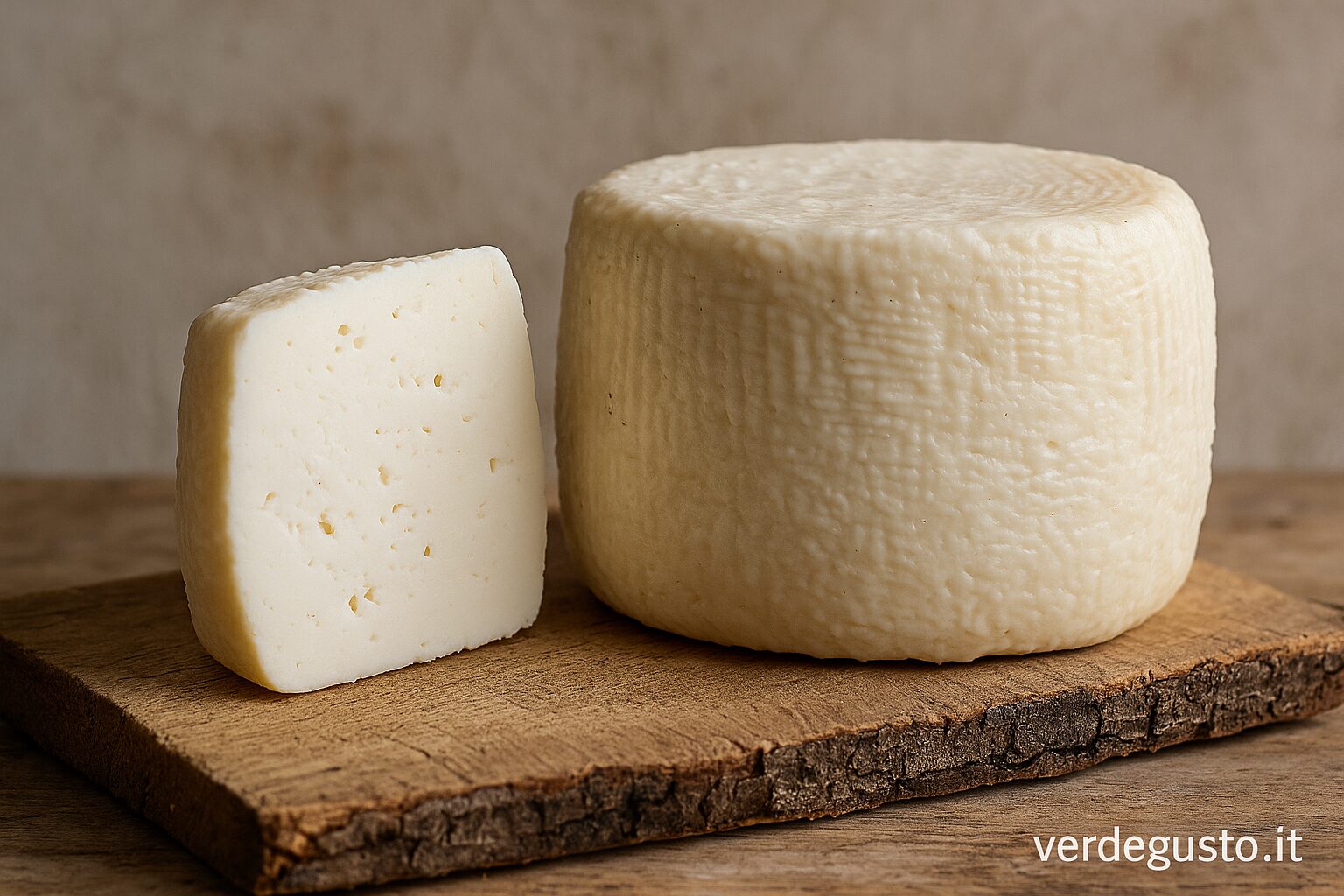
Basilicata still preserves authentic and little told flavors. Among these is the cacioricotta lucano: an ancient cheese, with a double soul (between cheese and ricotta), perfect for peasant cooking but surprisingly contemporary even in modern recipes. This article is a tribute to a local excellence to be rediscovered.
The cacioricotta lucano: simple, flavorful and deeply identity cheese
What is cacioricotta lucano
The cacioricotta lucano is a traditional cheese from Basilicata, handcrafted with goat’s milk and often also with a portion of sheep milk. Its main characteristic is its processing which combines elements of both ricotta and cheese, hence the name: it is obtained through a process involving cooking the milk, the formation of curd and separation of whey, followed by further processing that gives it a compact texture and a sweet yet distinct flavor.
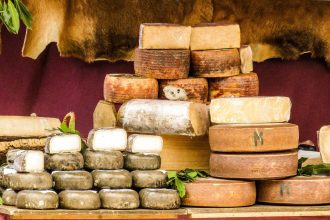
The paste is white, soft but compact, without a rind, and can be consumed fresh or aged, depending on the use. The result is a unique product: compact yet crumbly, savory but never overpowering, with a taste that recalls the countryside, hay, and genuineness. It is aged briefly or for longer periods depending on its use: fresh to be sliced, aged to be grated.
Where it is produced and how to recognize it
The cacioricotta is a cheese made by the combined processing of sheep and goat milk with a technique that unites thermal coagulation (typical of ricotta) with rennet coagulation (typical of cheese). The result is a unique product: compact but crumbly, savory but never overpowering, with a taste that recalls the countryside, hay, and genuineness. It is aged briefly or for longer periods depending on its use: fresh to be sliced, aged to be grated.
It is often sold in farmers’ markets or directly by producers, but some dairies have begun to distribute it online as well. It has been recognized among the traditional agri-food products (PAT) of the Basilicata region.

Traditional Lucanian recipes
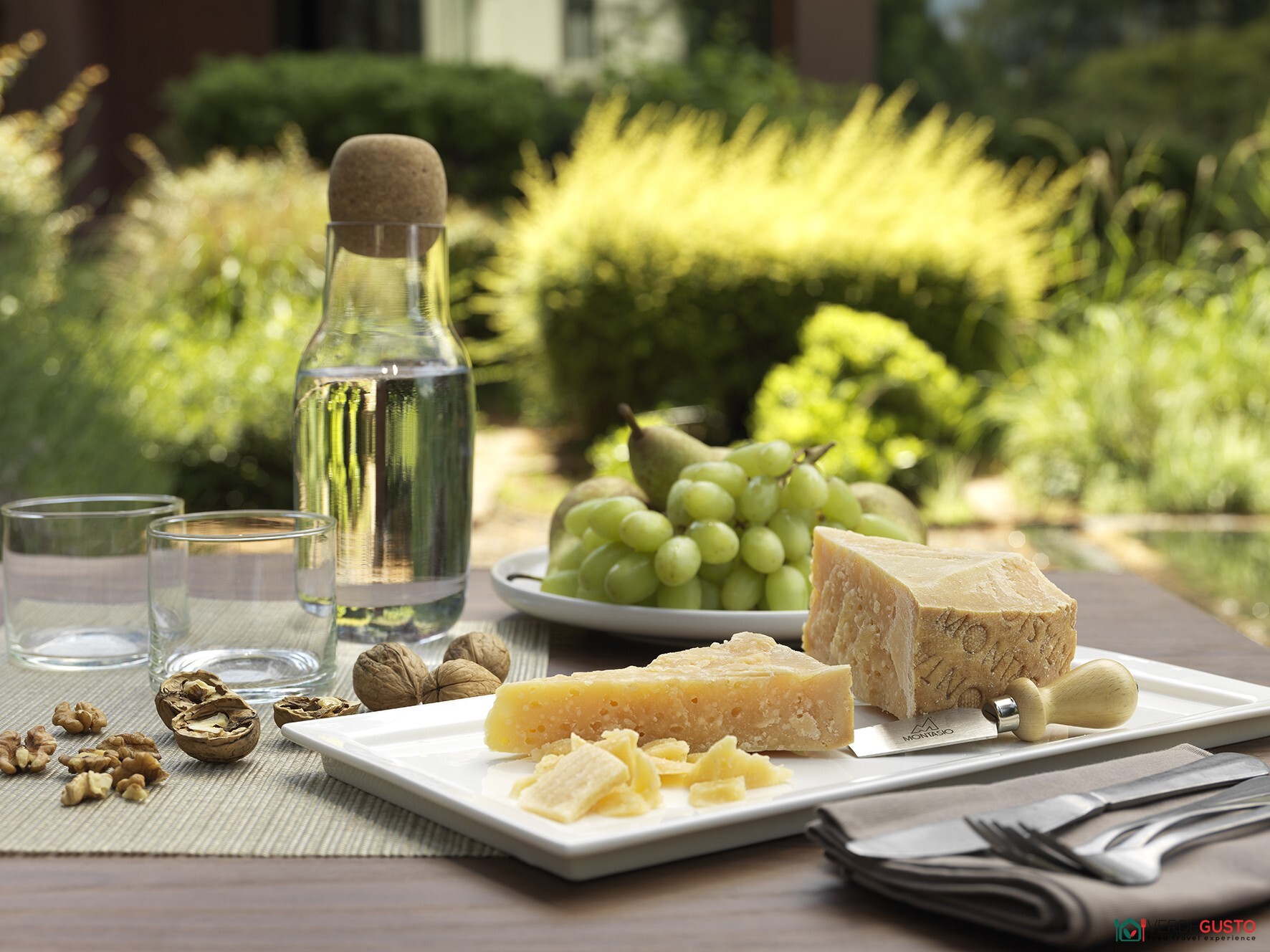
Grated cacioricotta is the signature of many Lucanian cuisine.
Anna, a true Lucanian, uses it like this:
“I use it on cavatelli with Lucanian mixed meat ragù. Generously grated while the sauce is still hot… it’s the taste of Sunday.”
Besides cavatelli, it’s perfect on:
- Strascinati with tomato and basil
- Fresh fava bean soup with chicory
- Cavatelli with breadcrumbs and cruschi peppers
In all these preparations, grated cacioricotta adds savoriness, graininess, and character.
Another recipe where it can be used instead of pecorino is Lucanian fusilli with ragù, horseradish, and grated cheese: a flavorful and intense variant, where aged cacioricotta perfectly marries the spiciness of horseradish.
➡️ You can read the traditional version with pecorino here: Lucanian fusilli with ragù, horseradish, and pecorino.
Modern and creative ideas
Even in contemporary cuisine, cacioricotta can surprise. Here are some ideas:
- Grated on wild herb risotto
- In flakes on grilled vegetable carpaccios
- Mixed into a baked pasta with zucchini and mint
- In contrast to a pumpkin or chickpea velouté
- In cubes, as a topping on rustic pizza with red onion and sun-dried cherry tomatoes
Where to buy it
- At weekly markets of towns like Senise, Viggianello, Moliterno, Tricarico
- At local farms and dairies, often family-run
- Online, on regional e-commerce sites and platforms specialized in typical Lucanian products
Always look for the Lucanian origin (often you find Apulian ones, equally good but not from Basilicata) and prefer producers who work on a small scale: you will find more authentic flavors and artisanal aging.

Why it should be valued
Cacioricotta is much more than an ingredient: it is gastronomic memory, rural identity, the skill of hands that still know how to do things well. In a historical moment when truth in food is sought, Lucanian cacioricotta is a sincere answer. Valuing it means protecting a piece of Lucanian culture and supporting those who, with effort and passion, keep the tradition alive.
VerdeGusto’s tip
Buy it whole, if you can, and store it in the fridge wrapped in a cotton cloth: it will last longer and keep its aroma intact. When you grate it, do so fresh and generously. Use it even in simple dishes: just homemade bread, good oil, and a touch of cacioricotta to taste Basilicata at the table.
Follow VerdeGusto to discover new ingredients, territories to taste, and stories of authentic cooking.