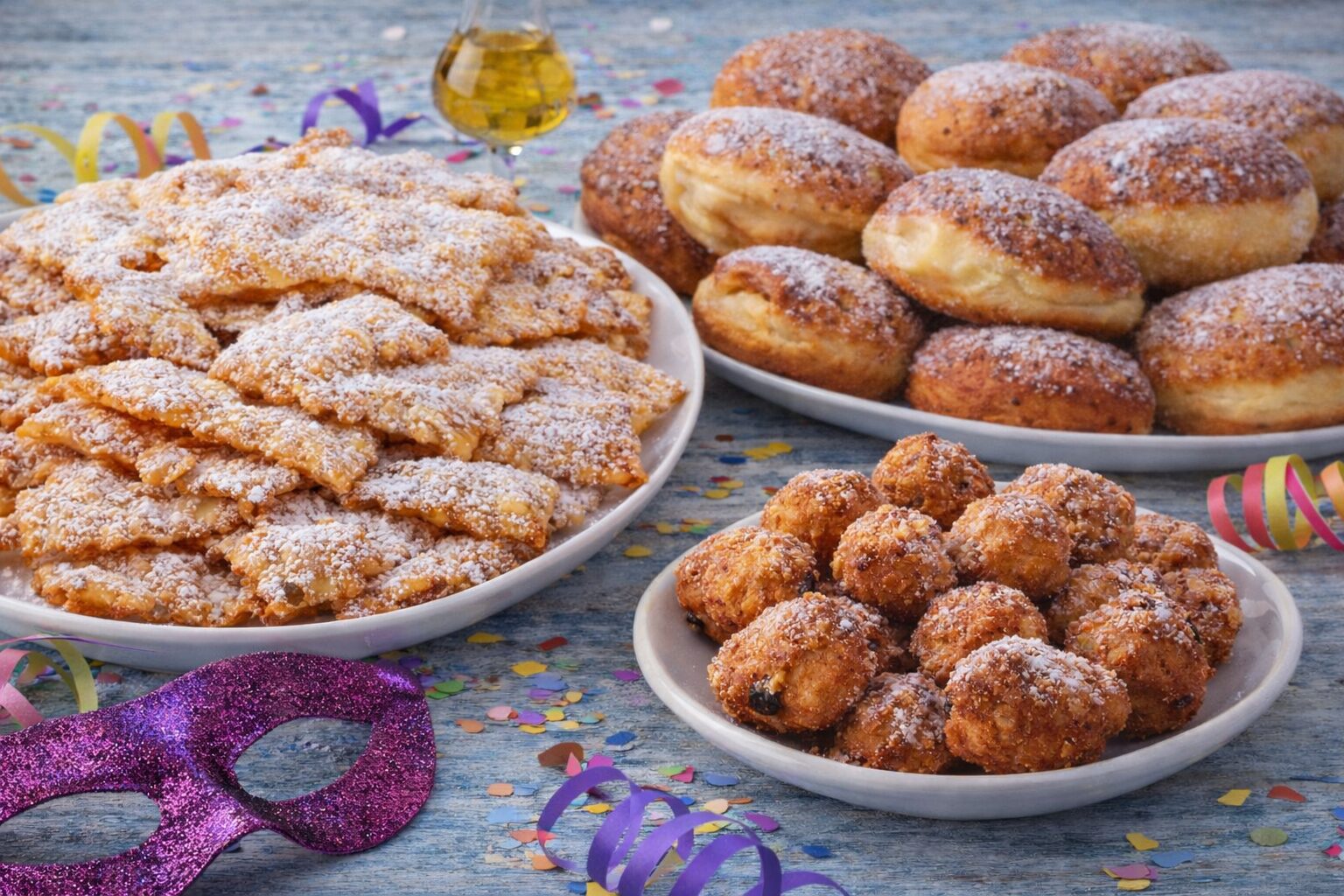
Carnival Sweets: fried, fragrant, and traditional doughs
When you think of Carnival, the first thought goes to sweets. Fried, golden, dusted with powdered sugar, scented with citrus or liqueurs: Carnival sweets are perhaps the most recognizable expression of this celebration. They change name from region to region, but share the same spirit: simplicity of ingredients and abundance in the result.
Chiacchiere, cenci, and frappe: the base to start from
Chiacchiere, cenci, frappe, bugie: the same sweet, a thousand names. A simple dough made with flour, eggs, sugar, and fats, rolled thin and fried quickly. The creativity here lies not so much in reinventing the recipe, but in playing with the details.
You can flavor the dough with orange or lemon zest, add a splash of Vin Santo or Marsala, or choose a lighter version like the oven-baked Carnival chiacchiere, perfect for those who want a drier but still crisp result.
Among the regional variants stand out the Viareggio cenci scented with orange and Vin Santo and the more classic Carnival cenci, ideal to prepare also in large quantities.

Venetian fritole: softness and tradition
The Venetian fritole represent one of the softer souls of sweet Carnival. Unlike chiacchiere, here the dough rises and embraces raisins, pine nuts, or cream. They are perfect if you want a more substantial sweet, to be served still warm.
A creative idea is to fill them after frying with custard or mascarpone cream, turning them into little delicious dessert bites.
Tortelli, krapfen, and cream puffs: stuffed Carnival
Another major branch of sweet Carnival is that of stuffed sweets. The Milanese Carnival tortelli, the Carnival krapfen and the Carnival cream puffs with limoncello share the same principle: a soft shell enclosing a cream.
Here creativity comes from the filling. Beyond the classic cream, you can experiment with citrus ricotta, pistachio cream, or a dark chocolate ganache for a more intense result.

Carnival sweets from around the world: faworki
Carnival is also a time of contamination. The faworki, Polish chiacchiere, show how the same dough can tell different stories. Crisp, thin, and lightly sweetened, they are perfect to accompany jams or creams.
Savory Carnival: hearty dishes and regional traditions
Alongside sweets, in many Italian regions Carnival is also a time for savory cooking. Hearty, seasoned dishes designed to nourish and celebrate, often tied to ingredients available in winter.
Lucanian fusilli with horseradish ragù and pecorino
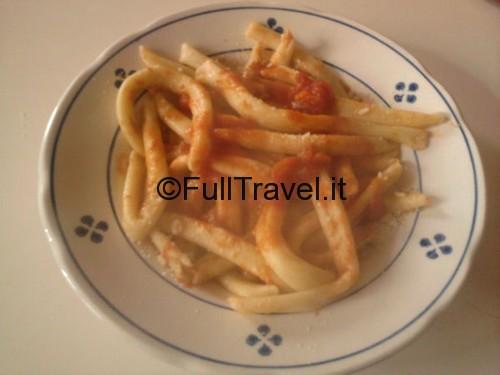
In Basilicata, Carnival is not just sugar and frying. The Lucanian fusilli with horseradish ragù and pecorino are a signature dish of this period. Horseradish, with its intense and pungent flavor, is used precisely in the winter months and during Carnival.
It is a dish that speaks of the territory, peasant cuisine, and bold flavors. To make it more contemporary, you can lighten the ragù or carefully dose the horseradish, while maintaining the original character of the recipe.
Frisse di Carnevale: simplicity and tradition
The Frisse di Carnevale represent another side of Carnival cuisine: the simpler one, made of few ingredients and ancient gestures. Crunchy, rustic, perfect to accompany cured meats or cheeses, they are also ideal as a base for modern interpretations.
Dita d’apostolo: the sweet that is in between
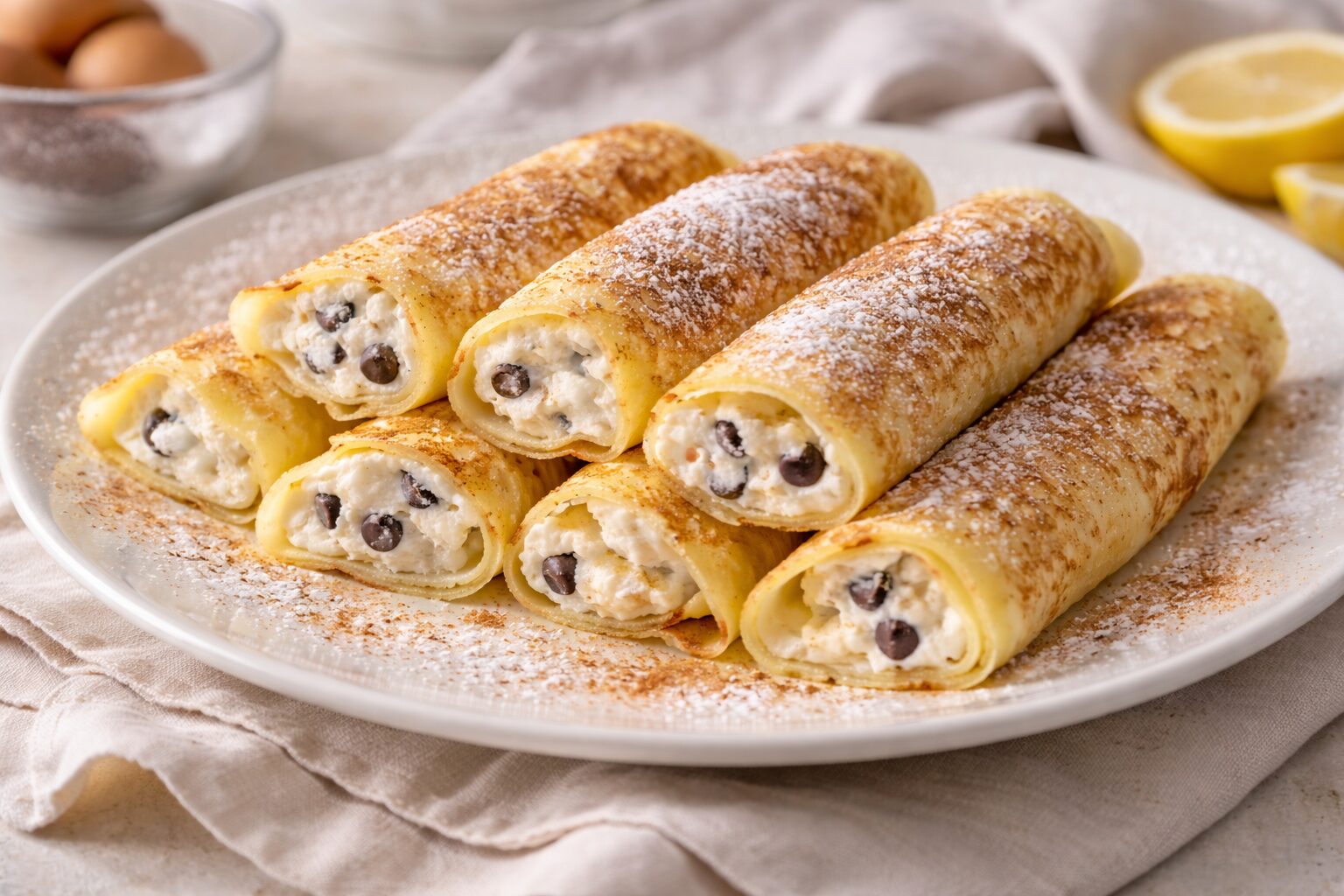
Dita d’apostolo is a perfect example of how the line between sweet and savory, in some traditions, is thin. Mainly prepared during festive periods like Carnival, it combines simplicity and symbolism.
Creative ideas to bring Carnival to the table today
Making Carnival recipes creative does not mean changing them, but adapting them. You can:
- alternate frying and baking to balance the menu
- reduce portions and focus on variety
- play with aromas and spices
- combine sweet and savory in the same meal
Carnival is also about conviviality. Preparing several recipes, perhaps in miniature versions, allows tasting without excess and sharing the moment.
Other Carnival recipes to discover
If you’re looking for a complete collection of traditional sweets, regional variants and ideas to try, you can visit our dedicated page for Carnival recipes, where you will find all preparations related to this festival.
Whether sweet or savory, Carnival recipes tell a way of cooking that is free, seasonal, and deeply Italian. Bringing them to the table today means rediscovering the pleasure of homemade cooking, without giving up a creative touch.