
Anti-inflammatory, a very common term, especially when talking about health. But what does it exactly mean? Inflammation is a natural response of the body during moments of aggression or stress. For example, if you cut your hand, you would experience pain, redness, swelling, and irritation in the area. This is an inflammation you can see, but this response also happens internally. Inflammation is a function the body needs, but when it affects a person chronically and throughout many body systems, this natural process can cause serious problems and lead to disease. Chronically elevated inflammation is associated with cardiovascular diseases, Alzheimer’s, certain types of cancer, and type 2 diabetes.
There are many foods that reduce inflammation in various ways. From healthy fats like omega-3s to antioxidants, vitamins, and minerals, the following foods help cool inflammation in the body and promote health. Anti-inflammatory foods are an important part of cooling this disease-related process in the body. However, a healthy diet combined with other habits like daily physical activity and avoiding inflammatory practices such as smoking can be a great aid. Furthermore, there are many foods with properties and benefits for our body. You can find a long list in the VerdeGusto Food Guide.
1 Apples
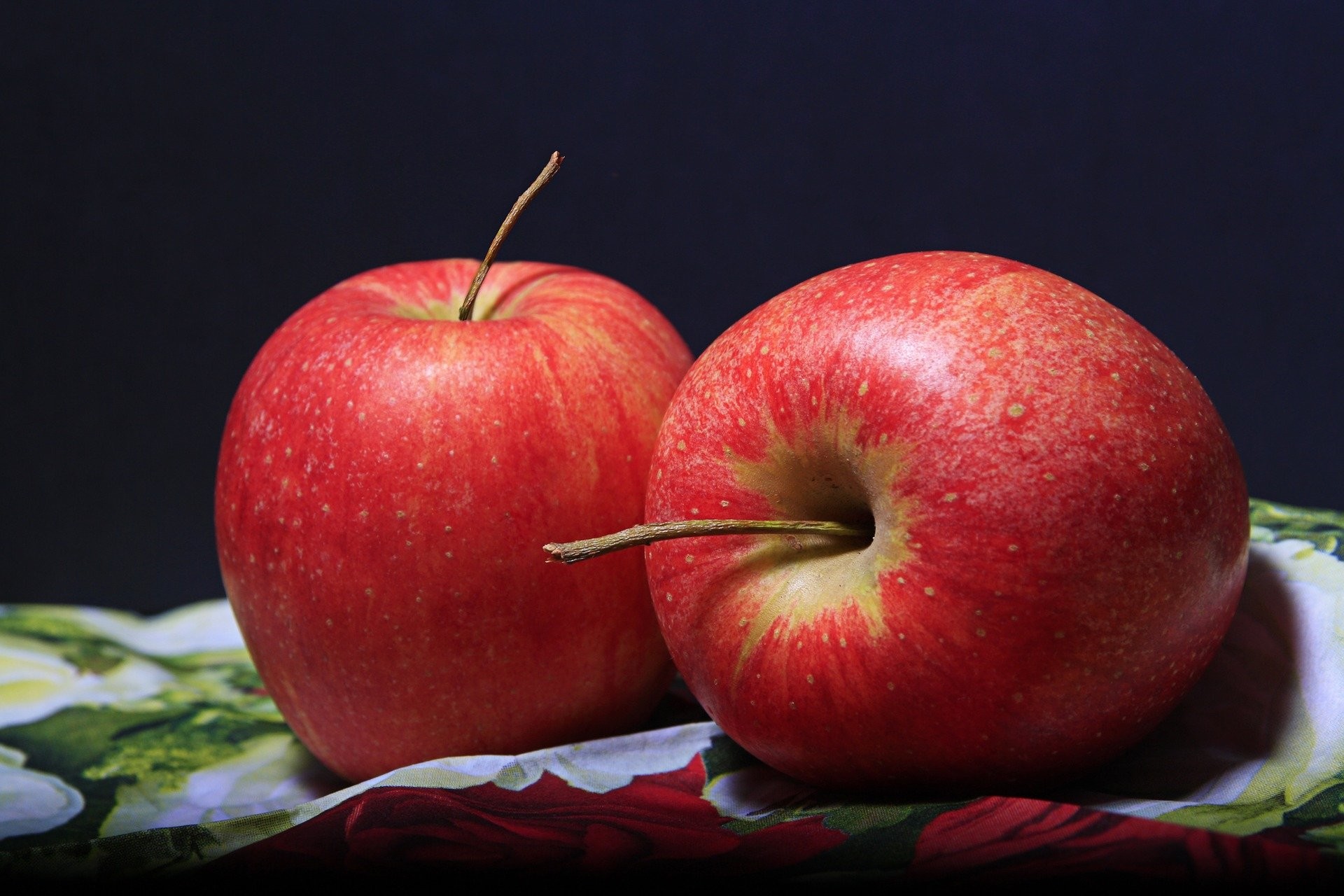
Apples are great for your heart! The fiber in apples contains pectin which helps lower blood cholesterol. Aside from the high fiber content in apples, their antioxidant capacity is unique and abundant. Apples are especially known for a flavonoid called quercetin, linked in studies with anti-cancer effects and anti-inflammatory support.
2 Beans and lentils
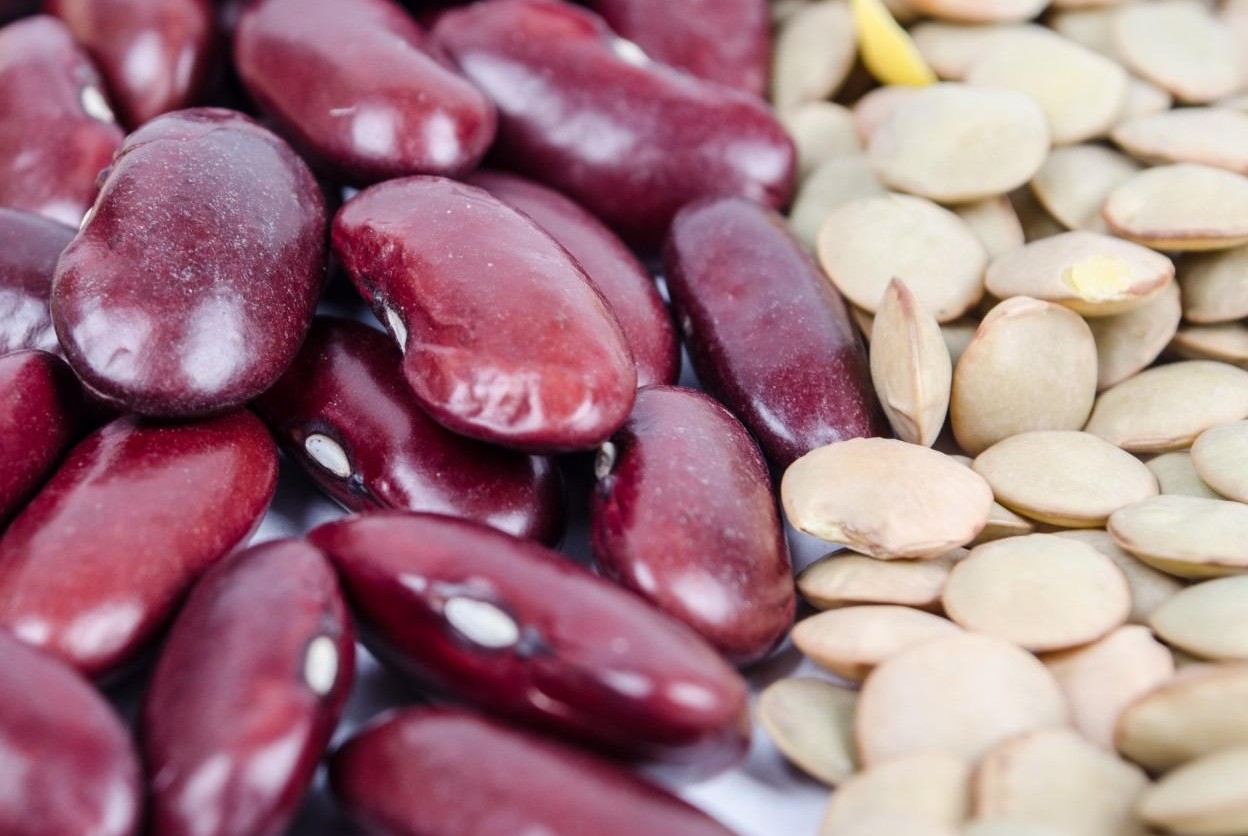
Rich in fiber and protein, beans have been shown in studies to reduce inflammation and lower the risk of cardiovascular disease and diabetes. Beans and lentils are legumes rich in antioxidants. Whether you choose black beans, borlotti beans, chickpeas, soy, lentils, or split peas in soup, regularly include these powerful little plant-based protein sources in your diet to reap the anti-inflammatory benefits.
3 Berries
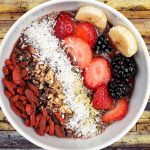
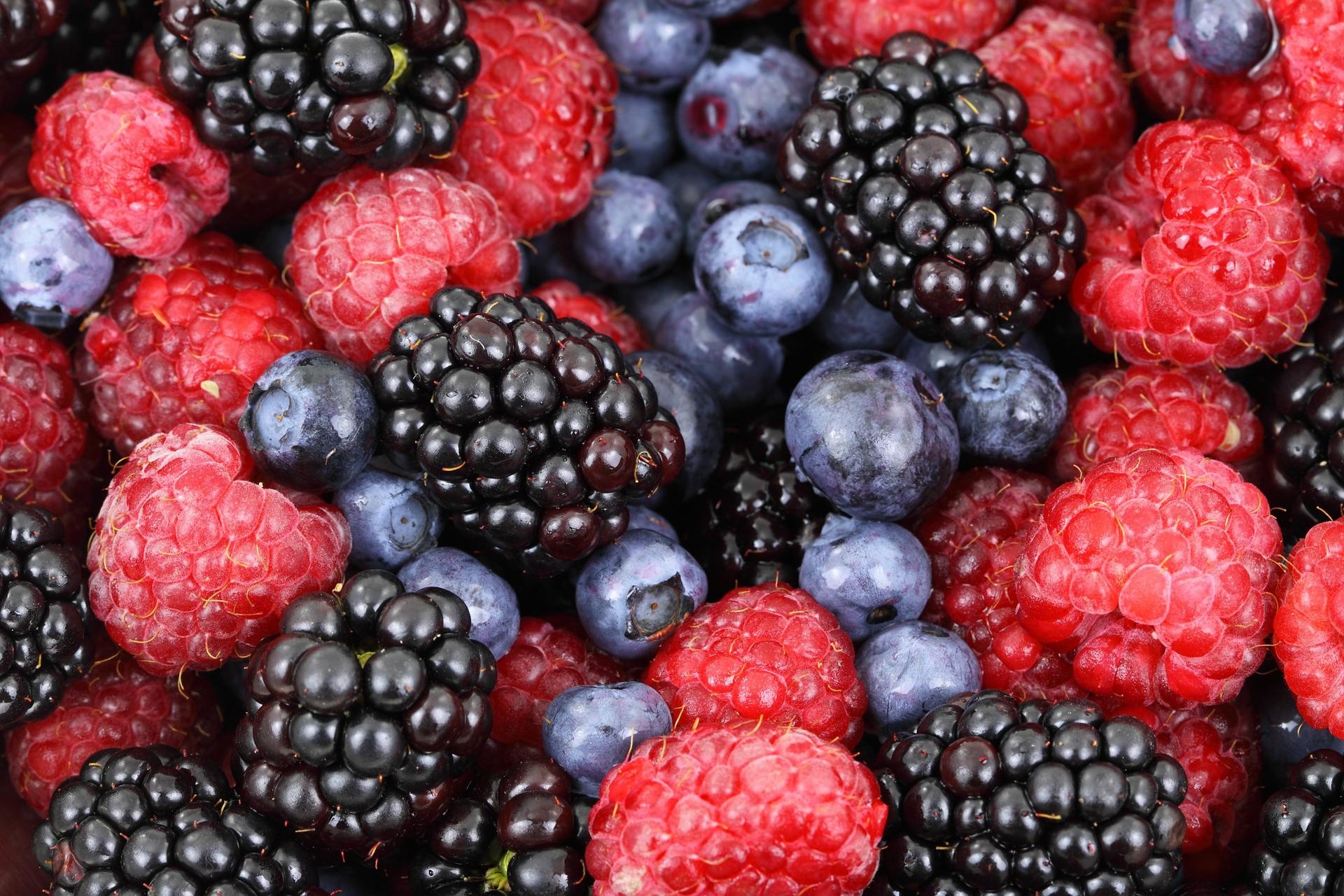
Strawberries, blueberries, blackberries, raspberries, or some of the more exotic varieties like acai, are brightly colored berries with powerful anti-inflammatory properties. Like many of these other cooling foods, berries are high in fiber and also contain antioxidants. The blue, purple, and red colors of fruits and vegetables often indicate a type of antioxidant called anthocyanins. In human studies, these compounds have been shown to reduce inflammation, so be sure to include delicious berries in your diet every day.
4 Cruciferous: broccoli, cauliflower, cabbages, Brussels sprouts, and kale
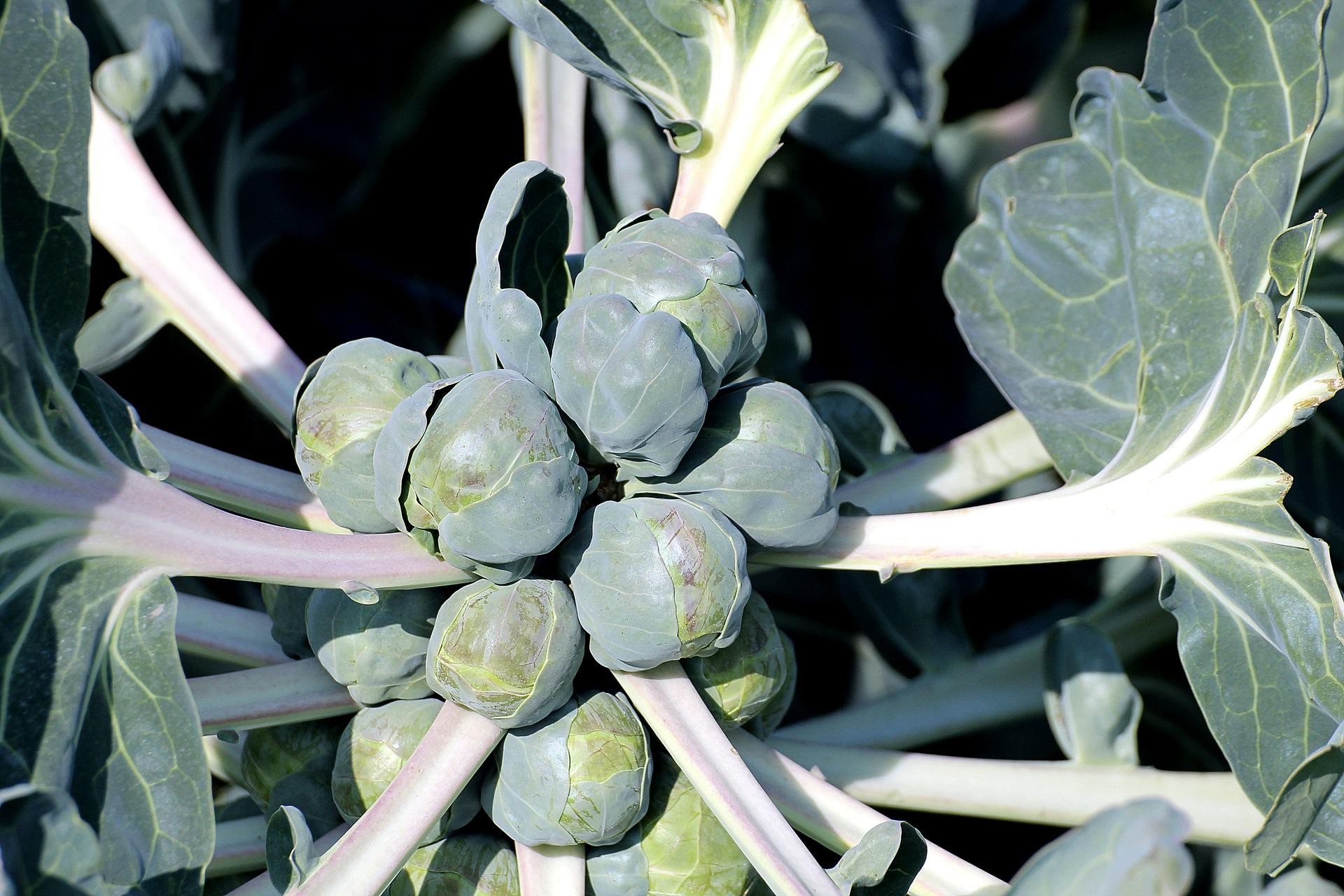
Cruciferous vegetables like broccoli, cauliflower, cabbages, Brussels sprouts, and kale are great for promoting detoxification and calming inflammation. The compounds in these foods particularly support the liver’s ability to get rid of toxic metabolites that need to leave the body.
5 Chia seeds
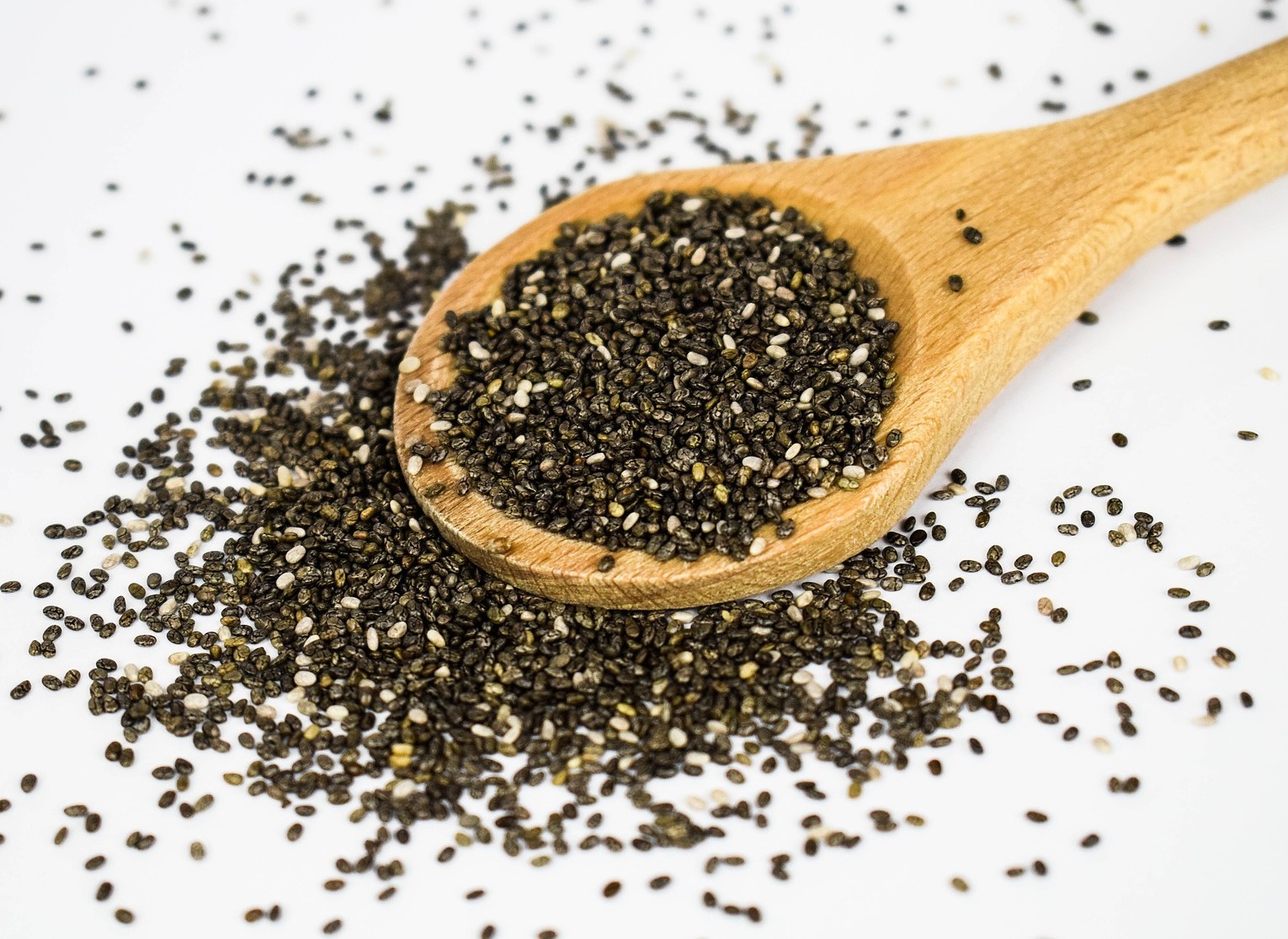
Do you like the texture of tapioca or of rice pudding? Then chia seeds might be just what you need. With an outer shell that becomes gelatinous when exposed to liquids, chia seeds are functional foods to include in a breakfast pudding, dessert, or snack. These seeds are rich in fiber and omega-3 fatty acids and are also called superfoods to support inflammation and healthy digestion and elimination. In particular, chia seeds are known for their content of polyunsaturated fats including the healthy omega-3 linolenic acid.
6 Flax seeds
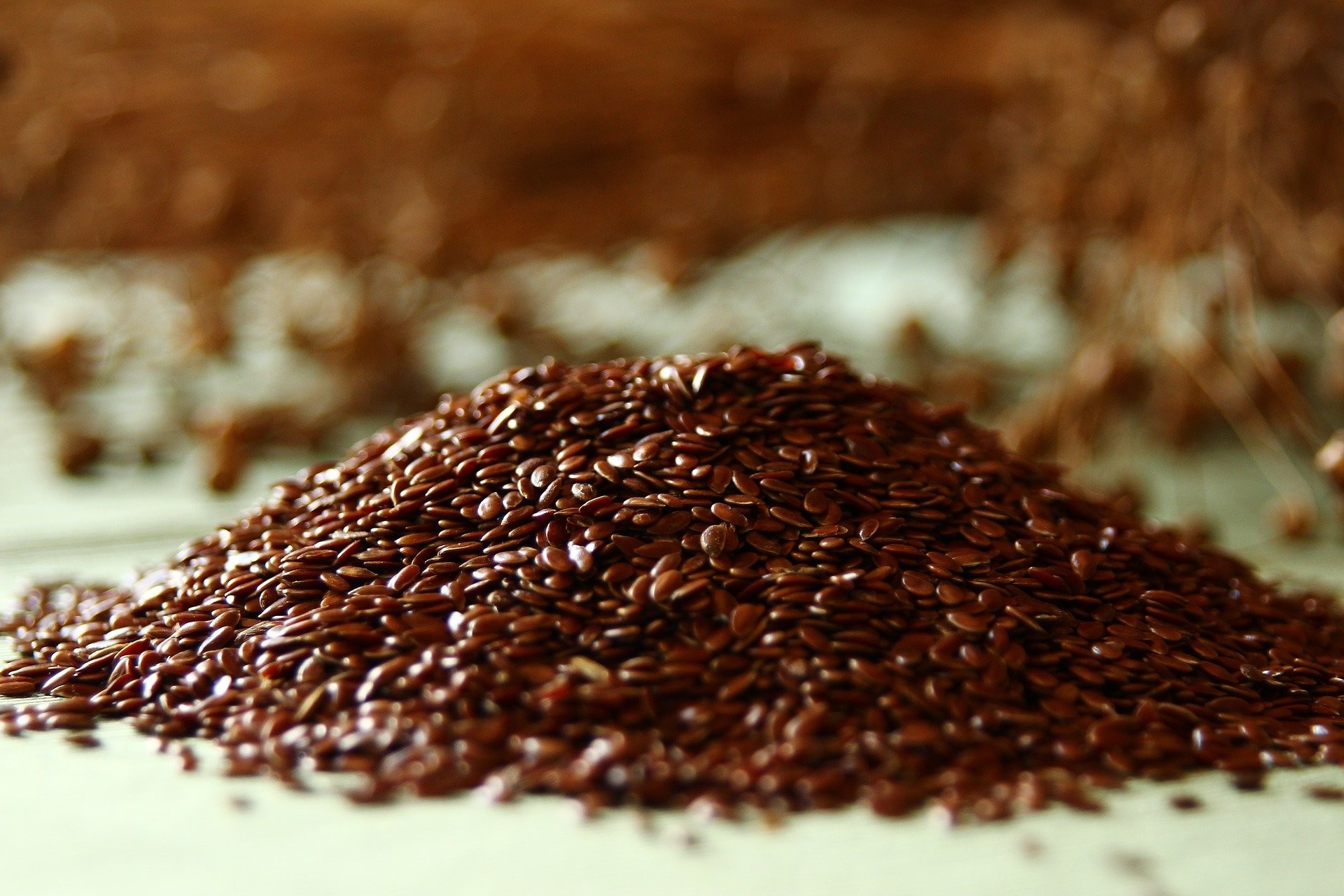
Unlike chia, sesame, or sunflower seeds, the body cannot digest the hard outer shell of a flax seed to access the nutrition inside. For a fiber boost (2 grams per tablespoon!) and plant-based omega-3 fatty acids, be sure to grind flax seeds and eat them sprinkled on cereals, mixed into muffins, or even in a smoothie. Tip: they are rich in fiber, so introduce them into your diet slowly and with increased liquid intake to avoid gastrointestinal discomfort.
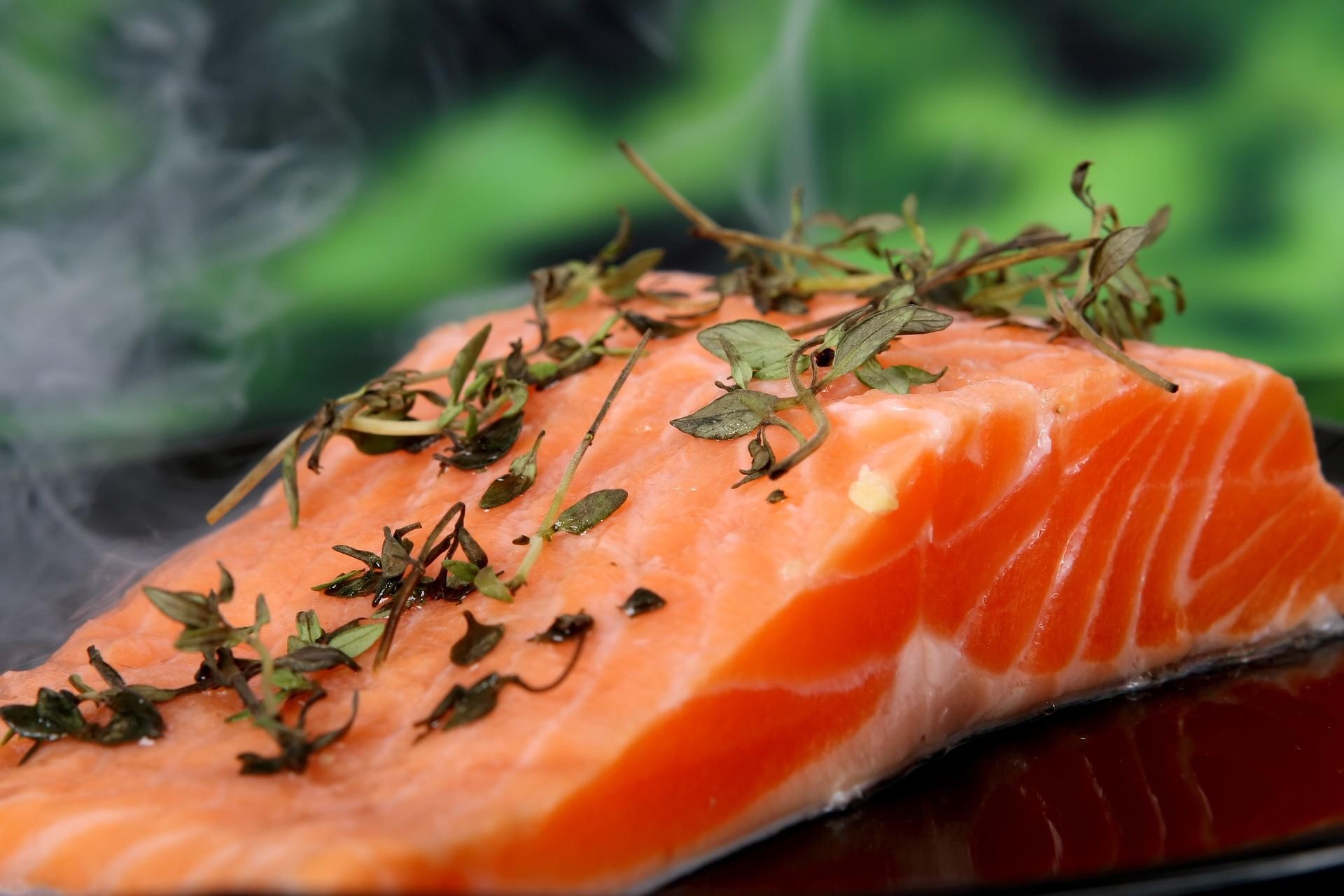
7 Fish: salmon, halibut, and trout
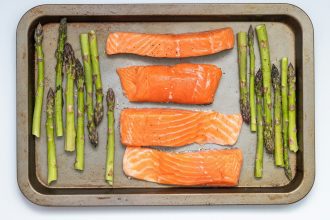
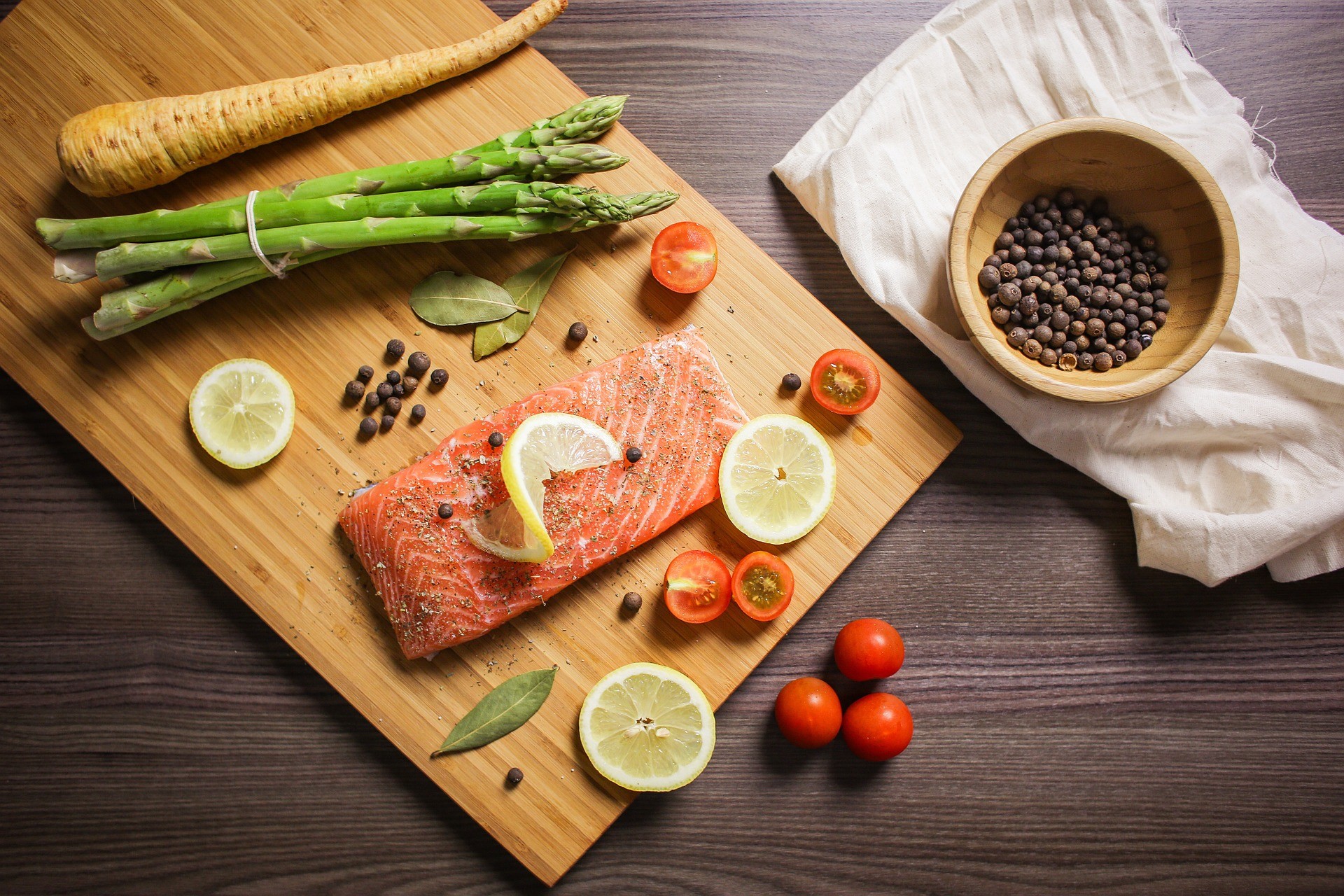
Cold-water fatty fish like salmon, halibut (flatfish) and trout are rich in protein, vitamins, and anti-inflammatory omega-3 fats. For these types of fish to survive in cold water climates, they carry a type of fat that has also been shown to support human health. A 15 teaspoon serving of this type of fish provides a rich source of protein and over 1500 mg of omega-3 fatty acids.
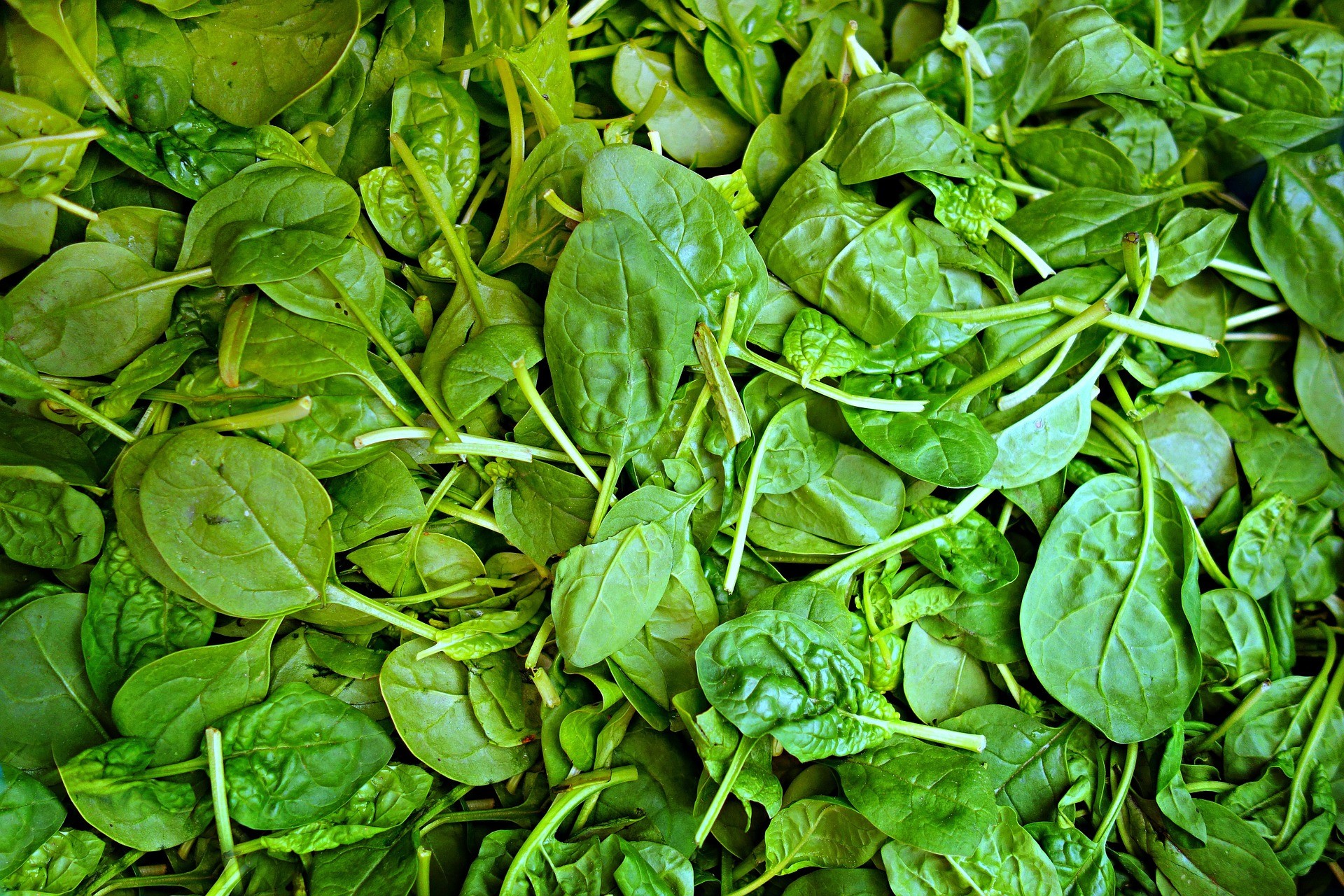
8 Spinach and dark leafy greens
Dark leafy greens collectively offer iron, calcium, and a range of antioxidants such as vitamin C, lutein, zeaxanthin, and beta-carotene. Beyond commonly consumed spinach and lettuce, include other options like chard, kale, watercress, lettuce, and collards. Include the dark leaves in your diet daily to maximize benefits such as reduced inflammation, lower risk of certain cancers, and cardiovascular disease.
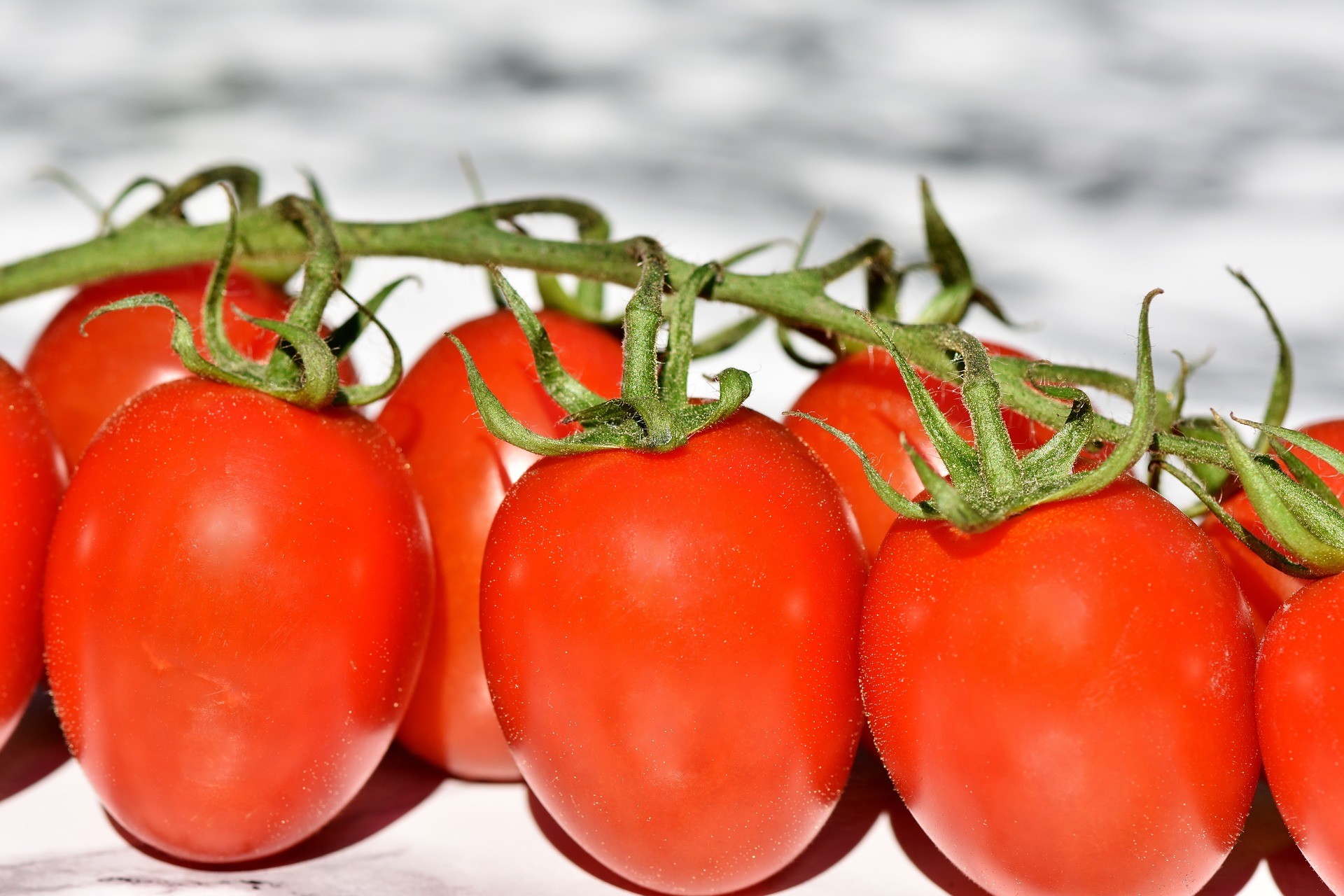
9 Tomatoes
These small red fruits are full of healthy compounds such as vitamins, minerals, and antioxidants. Famous for their lycopene, tomatoes have been shown to protect against some types of cancer and also support heart health. They are low in sugar and nutrient-rich, so include fresh and cooked tomatoes in various ways, from snacking on cherry tomatoes to using red sauce on vegetables or pasta.
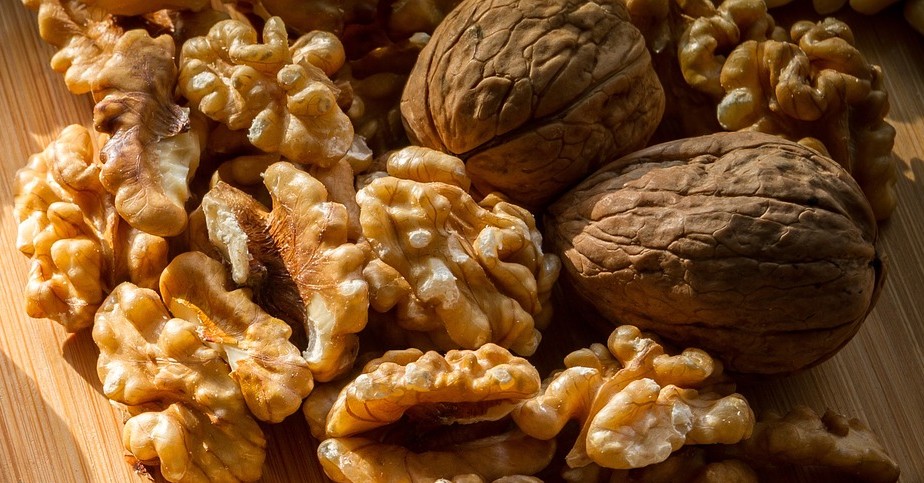
10 Walnuts
Richer in anti-inflammatory omega-3 fatty acids than almonds, peanuts, or cashews, be sure to include walnuts as a snack. Like these other nuts, you will still find antioxidants like vitamin E and plenty of protein and fiber. Be mindful of excessive nut or seed consumption, however, because although they are a healthy whole food, they are calorie and fat-dense, so a small portion goes a long way.
This article by Ginger Hultin MS RDN CSO is freely adapted from foodtrients.