

Carnival in Italy is a time of celebration and joy, characterized not only by colorful masks and spectacular parades but also by a rich culinary tradition. In every region, Carnival recipes tell stories of culture and tradition, passed down from generation to generation. In this article, we will explore 12 Carnival recipes, from fried sweets like chiacchiere to savory dishes like pizza chiena. Together, we will discover what to eat during Carnival and how to prepare these delights to surprise friends and family.
From the fragrant Venetian fritters to the tasty Milanese tortelli, passing through the crunchy chiacchiere spread throughout the peninsula, we will explore the recipes that make the Italian Carnival a unique culinary experience. Whether you are looking for traditional sweets or savory dishes to enrich your Carnival menu, here you will find a selection of recipes that will satisfy every palate and allow you to bring the authentic flavor of the festival to your table. Get ready for a gastronomic adventure that will unveil the secrets of Italian Carnival cuisine, from preparation techniques to characteristic ingredients. Each recipe is accompanied by practical tips and historical curiosities, making your kitchen experience not only tasty but also rich in culture. Are you ready to dive into the colorful and flavorful world of the Italian Carnival? Put on your apron and let yourself be guided on this culinary journey through the sweetest and most indulgent traditions of the Bel Paese.
1. Carnival Chiacchiere

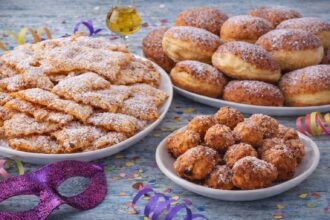
Thechiacchiere, also known as cenci, are a traditional Carnival sweet, crispy and light. They are made with a thin dough, fried and sprinkled with powdered sugar. Here’s how to make them:
Ingredients:
- 500 g of flour
- 50 g of sugar
- 3 eggs
- 50 g of butter
- A pinch of salt
- Powdered sugar for sprinkling
- Oil for frying
Method:
- In a bowl, mix the flour with the sugar and salt.
- Add the eggs and melted butter, kneading until you get a smooth dough.
- Roll out the dough into a thin sheet and cut into strips.
- Fry in hot oil until golden and sprinkle with powdered sugar.
For the complete recipe, visit Carnival Chiacchiere. If you want, you can also check the recipe for Baked Carnival Chiacchiere.
2. Sweet Sanguinaccio
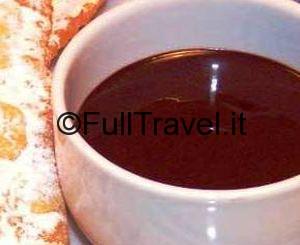
The Sweet Lucanian Sanguinaccio is a traditional Carnival preparation from Basilicata that, despite its controversial nature, remains a very appreciated and sought-after dessert. This particularly dense and rich chocolate cream has an ancient history and a composition that has changed over time, adapting to cultural and legislative changes.
Originally, the Sweet Lucanian Sanguinaccio was made using pig’s blood, from which its name derives. This practice was rooted in the peasant tradition where nothing of the animal was wasted, and the Carnival period coincided with the pig slaughter. The blood, mixed with chocolate, sugar, milk, and other aromatic ingredients, created a dense and rich cream with a unique flavor.
However, modern health and hygiene regulations have led to the abandonment of the use of blood in dessert preparation, transforming the Sanguinaccio into a rich and delicious chocolate cream that maintains the original name for tradition’s sake. The contemporary version, although blood-free, preserves the dense texture and intense flavor that made it famous.
The current Sweet Lucanian Sanguinaccio recipe uses high-quality dark chocolate, sugar, milk, cornstarch or flour, and a series of aromas that can vary depending on family traditions: cinnamon, vanilla, orange or lemon zest are among the most common. Some also add pine nuts or chopped walnuts to give a crunchy note to the cream.
Preparation requires care and patience. The chocolate is melted in a double boiler or over very low heat, then mixed with sugar and milk. The starch or flour, diluted in a little cold milk, is added to thicken the cream. Cooking must be slow and constant, stirring continuously to avoid lumps and to reach the desired consistency, similar to a very dense custard.
Aromas are added towards the end of cooking to preserve their fragrance. The cream is then left to cool, during which it continues to thicken further. The result is a shiny, dense, and velvety cream with a rich and enveloping chocolate flavor, with aromatic notes that make it unique.
The Sweet Lucanian Sanguinaccio is traditionally served as a filling for chiacchiere or other Carnival sweets but is also delicious spread on toasted bread slices or used as a filling for pies and cakes. Many enjoy it simply eaten by the spoonful as a standalone dessert. Despite the recipe’s transformation, the Sanguinaccio remains a dessert strongly linked to Lucanian Carnival traditions. Its preparation is often a moment of family sharing, an occasion to pass down recipes and techniques from one generation to the next.
The debate over the original version with blood continues to spark discussions between purists and innovators of traditional cuisine. Some argue that the modern version has lost part of its distinctive character, while others appreciate the evolution that has made the recipe more accessible and appreciated by a wider audience.
Regardless of the version, the Sweet Lucanian Sanguinaccio remains a symbol of culinary creativity and the ability to adapt gastronomic traditions. Its persistence in the Carnival dessert landscape testifies to the strong bond with the culture and identity of Basilicata, representing a bridge between past and present in Italian regional cuisine.
For the detailed recipe, visit Sweet Sanguinaccio.
3. Venetian Fritole
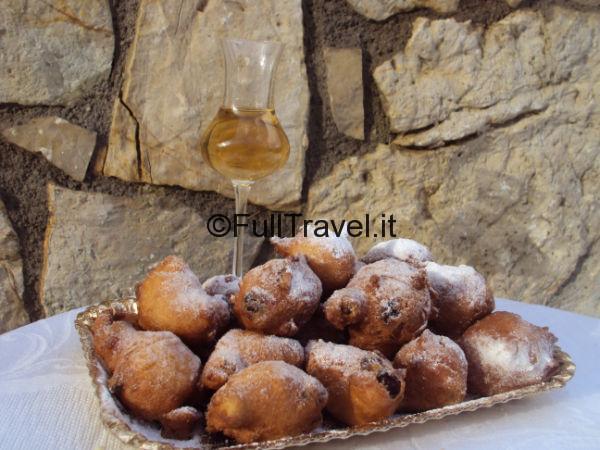
The Venetian Fritole, also known as “fritoe” in the local dialect, are the quintessential sweet of the Venice Carnival, a culinary tradition deeply rooted in the history of the Serenissima. These small fried delights represent not only a pleasure for the palate but also a piece of Venetian history and culture, embodying the festive and lavish spirit of Italy’s most famous Carnival.
The history of Fritole is as old as the Carnival itself. Already during the Renaissance, these sweets were so popular and appreciated that the Republic of Venice established the figure of the “fritolero,” a street vendor specialized in preparing and selling fritole during the Carnival period. This figure became so important that it was regulated by specific laws, attesting to the central role fritole played in the city’s social and festive life.
The traditional recipe for Venetian Fritole is relatively simple but requires skill and attention in preparation. The dough consists of flour, eggs, sugar, milk, yeast, and a pinch of salt. To these base ingredients, previously soaked raisins in rum or warm water and grated lemon zest are added to give a fresh and citrusy aroma. Some variations include the addition of pine nuts or chopped apples, making the fritole even richer and tastier. Preparing the dough is a crucial step: it must be soft but not too liquid, so it can be easily shaped into small balls before frying. Once ready, the dough is left to rest to allow the yeast to act, slightly puffing up the pastry and making it softer.
Frying is the step that transforms the dough into those delicious golden balls we all know. The oil must be brought to the right temperature, neither too hot nor too cold, to ensure even cooking. The dough balls are dropped into the hot oil with the help of two spoons and fried until they achieve a deep golden color. Once drained and dried of excess oil, the fritole are generously dusted with powdered sugar. The result is irregularly shaped sweets, crispy on the outside and soft inside, with an inviting scent of lemon and rum. The raisins and pine nuts, if included, add a pleasant variety of textures and flavors.
Venetian Fritole are not just a sweet but a true symbol of the Venice Carnival. They are prepared and consumed in large quantities throughout the festive period, from private homes to pastry shops, and to the kiosks that populate the alleys and squares of the lagoon city. Their intoxicating aroma spreads through the air, blending with the sounds and colors of the Carnival, creating a unique and unforgettable atmosphere.
Today, Fritole continue to be a must of the Venetian Carnival, but their popularity has crossed the lagoon’s borders, becoming a sweet appreciated throughout Italy during the Carnival season. Preparing them at home has become a tradition in many families, a way to bring a piece of Venice and its Carnival into homes across the peninsula.
Venetian Fritole represent much more than a simple sweet: they are a piece of history, a living tradition renewed every year, a symbol of the joy and abundance that characterize the Carnival. Making and enjoying them means immersing oneself in the magic of one of Italy’s oldest and most fascinating festivals, celebrating the richness of Venetian culinary tradition.
Discover the complete recipe for Venetian Fritole.
4. Milanese Carnival Tortelli

The Milanese Carnival tortelli are cream-filled sweets, perfect for ending a meal on a sweet note.
Ingredients:
- 300 g of flour
- 3 eggs
- 100 g of sugar
- 500 g of custard cream
Procedure:
- Prepare the dough with flour, eggs, and sugar.
- Roll out the dough and cut out circles.
- Fill with cream and close into a half-moon shape.
- Fry and dust with powdered sugar.
For the complete recipe, visit Milanese Carnival Tortelli.
5. Carnival Krapfen

The Krapfen, also known as bomboloni in some regions of Italy, are a sweet of Austrian origin that found a second home in the Bel Paese, becoming one of the most beloved symbols of the Italian Carnival. These soft and delicious fried treats, filled with cream or jam, are a true institution in Carnival pastry, loved by both adults and children for their irresistible goodness.
The history of Krapfen traces back to 17th century Vienna, but their popularity in Italy is linked to the Austrian rule in some northern regions, particularly Trentino-Alto Adige. From there, the recipe spread throughout the country, undergoing slight regional variations but maintaining its essence intact: a soft, leavened dough, fried until golden and filled with cream or jam.
Preparing Krapfen takes time and patience, but the result more than rewards the effort. The base dough consists of flour, milk, sugar, eggs, butter, and yeast. Some add a pinch of vanilla or grated lemon zest to lightly flavor the dough. The key to perfect Krapfen is the leavening: the dough must rest and rise for several hours, ideally overnight, to develop that soft and airy texture that characterizes them.
Once risen, the dough is rolled out and cut into discs. Traditionally, Krapfen are not pierced in the center like classic American donuts but remain whole, ready to be filled after cooking. Frying is a delicate step: the oil must be at the right temperature, neither too hot nor too cold, to allow the Krapfen to puff up evenly and acquire that characteristic golden color without absorbing too much oil.
Discover the recipe for Carnival Krapfen.
6. Pizza Chiena

The Stuffed Pizza, also known as Pizza Chiena (which in Neapolitan dialect means “full pizza”), is a savory pastry from the Easter tradition of Campania that has also found its place of honor on Carnival tables. This substantial and rich dish perfectly represents the festive spirit and abundance typical of the Carnival period, becoming a popular option for those seeking a savory alternative to classic Carnival sweets. Originally prepared for Easter, Pizza Chiena has earned a special spot on Carnival menus thanks to its versatility and irresistible flavor. It consists of a savory pie filled with cured meats, cheeses, and eggs, enclosed in a pastry or bread crust, depending on the regional variant. Its preparation requires time and dedication, but the result is a dish embodying the generosity and richness of Campanian cuisine.
The outer dough can vary: some recipes call for a bread-like dough, others opt for a more crumbly savory shortcrust. In both cases, the dough must be sturdy enough to hold the rich filling without breaking during baking. The secret is to work the dough well and let it rest adequately before rolling it out and filling it.
The filling is the true heart of this dish. Traditionally, cured meats such as Neapolitan salami, soppressata, and prosciutto crudo are used, combined with cheeses like provolone, mozzarella, and pecorino. The eggs, beaten and mixed with the other ingredients, act as a binder and give the filling a soft and compact texture. Some versions include ricotta to make the filling even creamier.
The preparation of Pizza Chiena is a true ritual. The ingredients of the filling are cut into cubes or strips and mixed with beaten eggs and grated cheeses. This mix is then poured into the rolled dough and placed in a deep pan. A second layer of dough covers everything, sealing the filling. The surface is brushed with beaten egg to achieve a perfect golden color during baking.
Baking is a crucial step: Pizza Chiena must be cooked slowly in the oven at a moderate temperature to allow the filling to cook evenly and the crust to become golden and crispy. The result is a savory pie with an inviting aroma, a golden crust enclosing a succulent and flavorful filling.
Served hot or at room temperature, Pizza Chiena is perfect as a substantial appetizer or as a main dish. Its richness makes it ideal for Carnival lunches or dinners, when tradition calls for abundant eating before the Lenten fast. The inclusion of Pizza Chiena in the Carnival menu is an example of how culinary traditions can adapt and evolve, creating new opportunities to enjoy beloved dishes. This savory pie represents not only a tasty alternative to typical sweets but also a way to celebrate the richness of Italian regional cuisine during Carnival festivities.
For the full recipe, visit Pizza Chiena.
7. Fusilli Lucani with Ragù

In the heart of Basilicata, Carnival is also celebrated at the table with rich and flavorful dishes reflecting the essence of local cuisine. Among these, Fusilli Lucani with ragù, horseradish, and pecorino represent a first course that perfectly embodies the festive spirit and culinary tradition of the region. This recipe, a true tribute to Lucanian gastronomy, combines the rusticity of handmade fusilli with the richness of a robust ragù, the spiciness of horseradish, and the savoriness of pecorino. Lucanian fusilli, unlike their more known cousins, are handmade with a particular technique requiring skill and patience. The pasta is rolled around a thin rod, creating an elongated, spiral shape that perfectly captures the sauce. This unique form is not only an aesthetic detail but has a precise gastronomic function: it allows the seasoning to adhere perfectly to the pasta, guaranteeing an explosion of flavors with every bite.
The ragù accompanying the fusilli is the true star of the dish. Made with beef and pork, it is cooked slowly for hours, enriched with aromatic herbs and local spices that give it an unmistakable aroma and flavor. Slow cooking allows the flavors to blend perfectly, creating a thick and tasty sauce that pairs perfectly with the texture of the fusilli. The addition of freshly grated horseradish is the stroke of genius that elevates this dish to a Carnival specialty. Horseradish, with its pungent and slightly spicy taste, adds a note of freshness and liveliness that balances the richness of the ragù. This ingredient, much appreciated in Lucanian cuisine, not only enriches the flavor of the dish but also imparts digestive properties, perfect for a festive menu often rich and abundant.
Pecorino, generously grated over the fusilli before serving, completes the dish with its savoriness and creaminess. The choice often falls on Filiano DOP pecorino, a local cheese that with its strong and slightly spicy flavor pairs perfectly with the other ingredients, creating a unique balance of tastes. Preparing this dish requires time and dedication, but the result is a first course that embodies all the essence of Lucanian Carnival cuisine. It is a dish that speaks of conviviality, family traditions, and love for good food. Served steaming at the table, it becomes the centerpiece of a festive meal, capable of gathering families and friends around an unforgettable gastronomic experience.
Fusilli Lucani with ragù, horseradish, and pecorino are not just a dish but a true journey through the flavors and traditions of Basilicata. Preparing and sharing it during Carnival means celebrating not only the festival but also the cultural and gastronomic richness of a region with much to offer Italian cuisine.
Learn more about Fusilli Lucani with Ragù.
8. Cenci di Viareggio
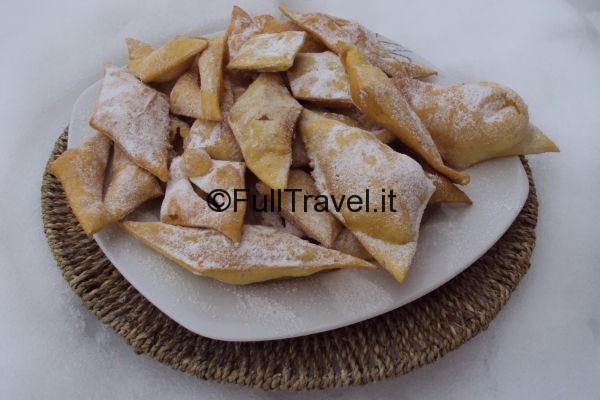
The cenci di Viareggio are fried sweets scented with orange, typical of the Tuscan tradition.
Ingredients:
- 300 g of flour
- 2 eggs
- 50 g of sugar
- Orange zest
- Oil for frying
Procedure:
- Mix flour, sugar, and eggs, adding the orange zest.
- Roll out the dough and cut into strips.
- Fry and sprinkle with powdered sugar.
For the full recipe, visit Cenci di Viareggio.
9. Carnival Cream Puffs with Limoncello

The Carnival Cream Puffs with Limoncello represent a delicious twist on the classic cream puffs, enriched with the aroma and intense flavor of the famous Italian liqueur. This recipe, popular in various regions of Italy but especially appreciated in coastal areas where lemons are a product of excellence, combines the lightness of choux pastry with the citrus freshness of limoncello, creating a perfect dessert to celebrate Carnival with a touch of originality.
The base of these cream puffs is the classic choux pastry, a light and versatile dough that puffs up during baking, creating a crispy shell outside and hollow inside, ready to be filled. Preparing choux pastry requires attention and technique: water, butter, and a pinch of salt are brought to a boil, then the flour is added all at once, stirring vigorously to form a ball that detaches from the sides of the saucepan. After letting the dough cool slightly, eggs are incorporated one at a time, resulting in a smooth and shiny dough.
The special feature of these cream puffs is the limoncello cream that fills them. This cream is a variation of the classic pastry cream enriched with the famous lemon liqueur. Preparation starts like a normal pastry cream: milk, sugar, egg yolks, and cornstarch are cooked together until thick and velvety. At the end of cooking, when the cream has cooled slightly, limoncello is added, which gives not only its characteristic aroma but also an alcoholic note that balances the sweetness of the cream.
Baking the cream puffs is a crucial moment: the dough is placed in small mounds on a baking tray lined with parchment paper and baked in a hot oven. It is important not to open the oven during baking to prevent the puff from deflating. Once baked and cooled, the cream puffs are cut in half and generously filled with limoncello cream.
To complete these little sweets, many recipes call for a dusting of powdered sugar on top, which not only adds a touch of sweetness but also creates a pleasant visual contrast with the yellow cream. Some variations include a lemon glaze or decoration with candied lemon peel, which further enhances the citrus aroma of the dessert.
Carnival Cream Puffs with Limoncello are appreciated for their lightness and the contrast between the crispy shell and the softness of the cream inside. The flavor of limoncello adds a refreshing and slightly alcoholic note that makes them especially suitable as an after-meal treat or a dessert to enjoy during Carnival festivities.
This variation of the classic cream puff has become popular not only for its unique flavor but also because it represents a perfect fusion between traditional pastry and innovation. Limoncello, a typical liqueur of the Amalfi and Sorrento coasts, is thus incorporated into a typically carnival dessert, creating a bridge between different Italian culinary traditions.
Making Carnival Cream Puffs with Limoncello is often seen as an opportunity to experiment in the kitchen, allowing home bakers to test their skills with more elaborate pastry techniques. The result is a dessert that not only delights the palate but also brings a touch of refinement and originality to the Carnival tables.
These cream puffs perfectly represent the festive and creative spirit of Carnival, offering a fresh and fragrant variation on the classic fried sweets typical of this period. Their presence on Italian tables during Carnival celebrations is an example of how culinary traditions can evolve and renew themselves while maintaining a strong link with the characteristic flavors and aromas of Italian cuisine.
Discover the full recipe for Carnival Cream Puffs with Limoncello.
10. Faworki
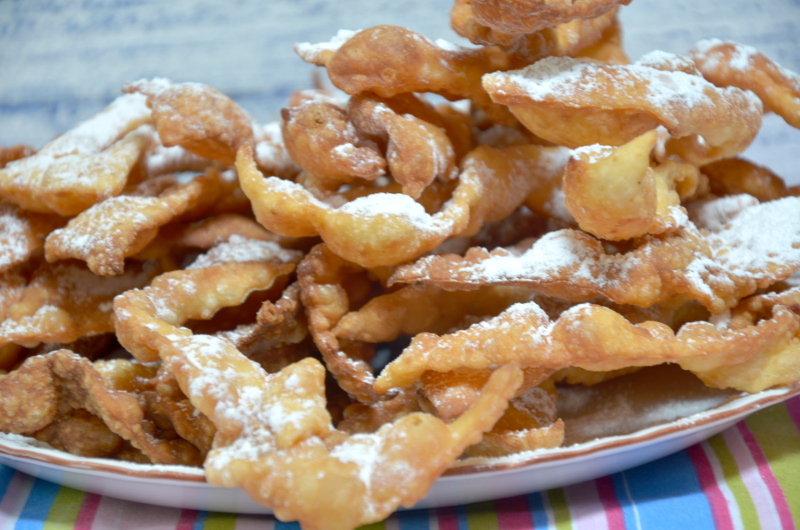
The Faworki are known in Italy as a variant of the beloved chiacchiere, representing a fascinating blend of Polish and Italian culinary traditions. These delicious fried pastries, with their characteristic knot or bow shape, have become increasingly common on Italian tables during Carnival, enriching the gastronomic scene with their unique flavor and intriguing history. The original recipe of Faworki has deep roots in Polish culture, where they are traditionally prepared for “Tłusty Czwartek,” the Fat Thursday before Lent. Their introduction in Italy is the result of cultural exchanges and migrations, which brought this delicacy to merge with the Italian tradition of chiacchiere, creating a variant appreciated for its lightness and crispness.
The dough of Faworki is distinguished by its simplicity: flour, eggs, a pinch of sugar, and often a touch of vodka or brandy, which evaporates during frying and helps make them particularly flaky and light. The real art is in working the dough, which must be rolled very thin and cut into strips, then knotted or twisted before frying in hot oil.
One of the qualities that make Faworki so special is their texture: incredibly crunchy and light, they literally melt in the mouth, leaving a pleasant feeling of moderate sweetness. Traditionally, they are served dusted with powdered sugar, but it is not uncommon to find them enriched with a sprinkle of cinnamon or cocoa, or even glazed with honey.
Preparing Faworki requires some practice and patience, especially in the knot forming stage. It is important that the dough is well worked and rested before being rolled out, to allow gluten to develop and ensure the ideal texture that makes them so irresistible. During frying, maintaining the oil at a constant temperature, around 175°C, is essential to achieve an even golden color and perfectly crisp texture.
The integration of Faworki into the Italian carnival tradition is a beautiful example of how culinary cultures can blend and enrich each other. These sweets represent not only a delicious addition to the Carnival menu but also a bridge between different traditions, a way to celebrate the diversity and gastronomic richness characterizing Europe. Making Faworki at home is a rewarding experience that brings a piece of history and culture to your table. Whether called Faworki or Polish chiacchiere, these treats invite you to explore new flavors and share moments of joy and conviviality during the most festive time of the year.
For the full recipe, visit Faworki.
11. Frisse
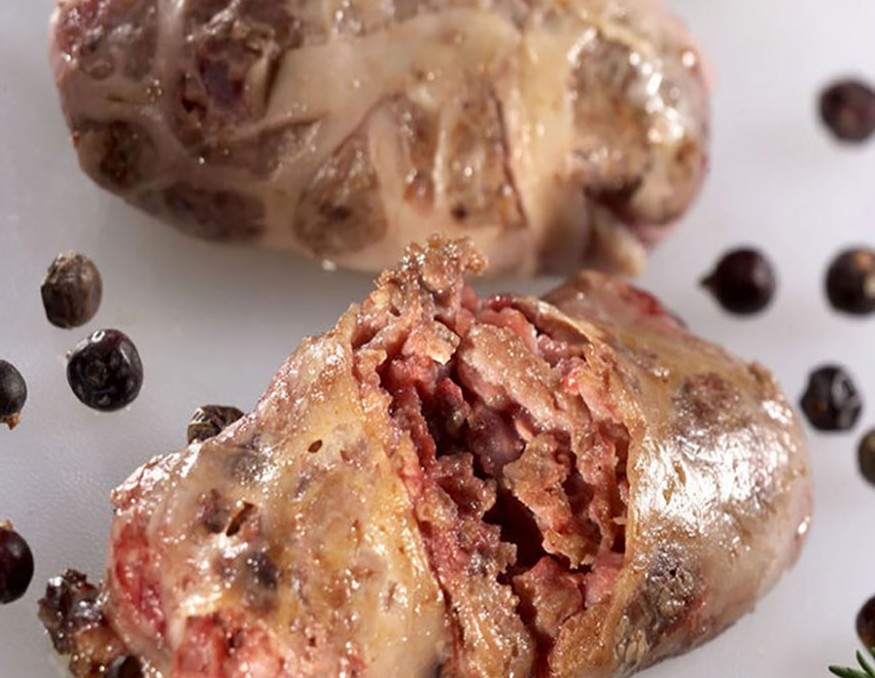
The Frisse represent an authentic gem of the Piedmontese carnival tradition, a sweet that embodies the very essence of the festival with its simplicity and unmistakable flavor. These fried delights, similar to soft golden cushions, are a must-have on many Carnival menus in Piedmont, especially in rural areas where culinary tradition has remained deeply rooted over time.
Preparing Frisse is a true ritual passed down through generations. The dough, soft and light, is made of simple but carefully measured ingredients: flour, eggs, sugar, butter, and a pinch of yeast. The magic happens during frying, when these small bites puff up, taking on irregular shapes and an airy texture, with a crispy exterior enclosing a soft and fragrant heart. One of the characteristics that make Frisse so special is their versatility. They can be enjoyed plain, simply dusted with powdered sugar, or enriched with a delicious filling. Many Piedmontese families love to fill them with pastry cream, jam, or melted chocolate, turning them into an even more irresistible dessert. Tradition has it that they are prepared in large quantities to share with friends and family during Carnival festivities.
The history of Frisse has its roots in Piedmontese peasant culture, where they represented a way to celebrate abundance and joy of Carnival before the austerity of Lent. Today, this sweet continues to be a symbol of conviviality and celebration, keeping alive a piece of regional culinary history.
To prepare perfect Frisse, it is crucial to pay attention to the oil temperature during frying. Oil that is too hot would burn the outside while leaving the inside raw, while oil not hot enough would make them too greasy. The key is maintaining a constant temperature around 170-180°C, allowing for that golden color and ideal texture that make them irresistible.
Frisse are not only a dessert but a true symbol of Piedmontese Carnival, a way to celebrate joy of life and the richness of local traditions. Preparing and sharing them is an act of love for one’s culture and a way to pass flavors and memories to new generations.
Discover the recipe for Frisse.
12. Carnival Cenci

The Carnival strips are typical sweets from many Italian regions, light and crispy.
Ingredients:
- 300 g of flour
- 2 eggs
- 50 g of sugar
- Oil for frying
Procedure:
- Make the dough with flour, eggs, and sugar.
- Roll out and cut into strips, fry until golden.
For the full recipe, visit Carnival strips.
Carnival is a time of celebration and togetherness, and Carnival recipes represent a fundamental part of this tradition. From chiacchiere to tortelli, each dish tells a story and carries the flavors of different Italian regions. Try these 13 delights and make your Carnival unforgettable!