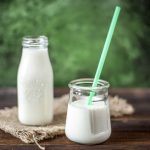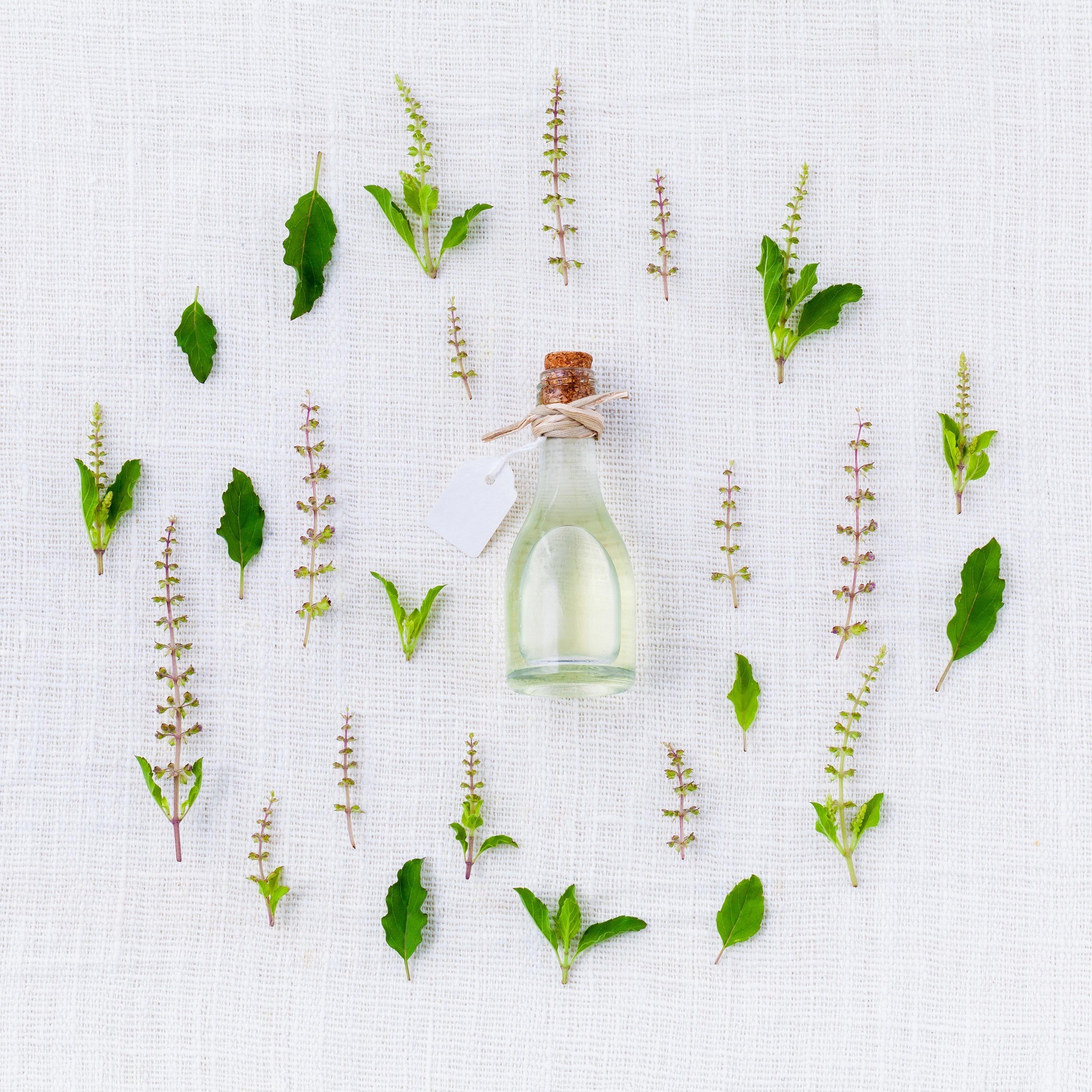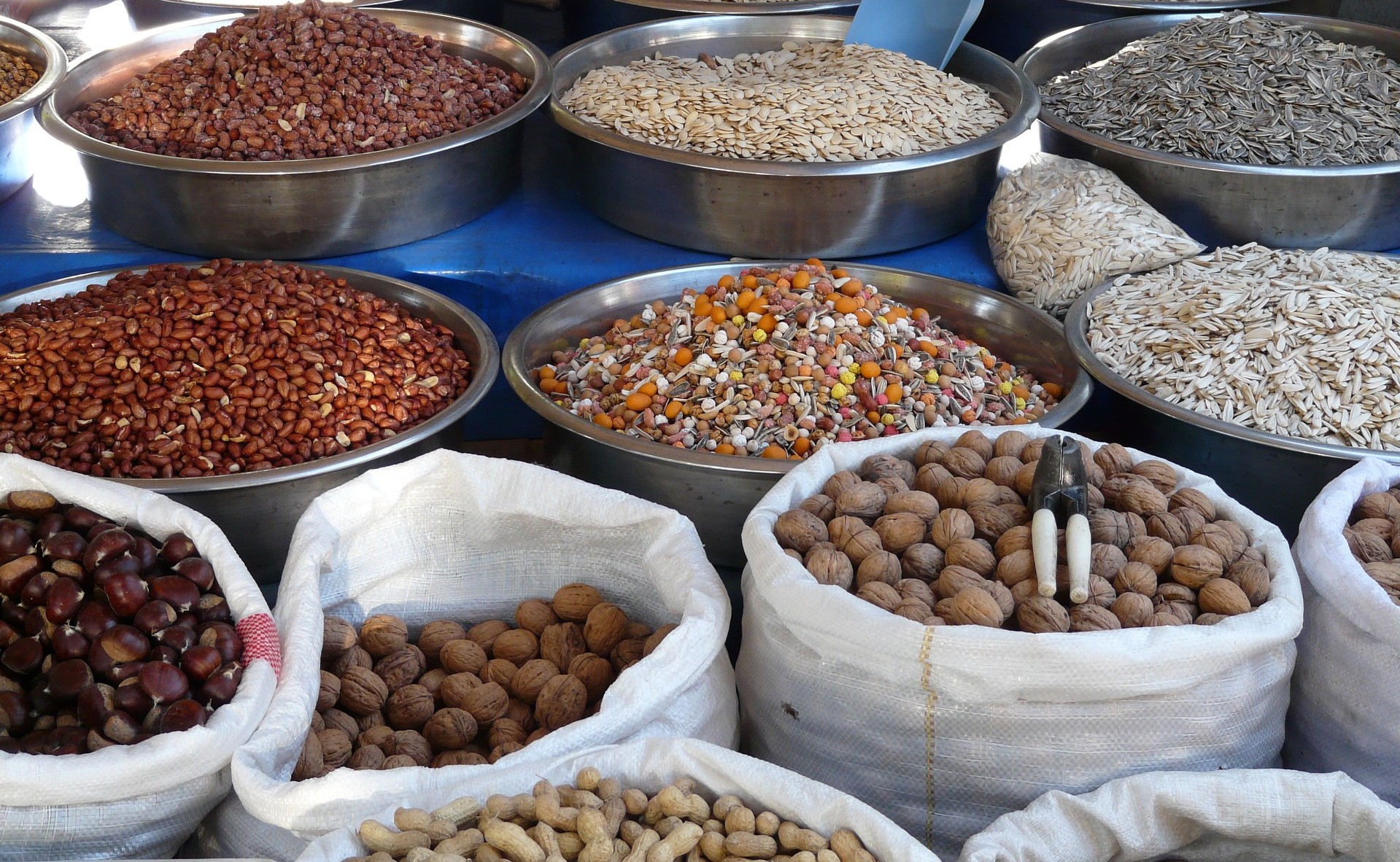
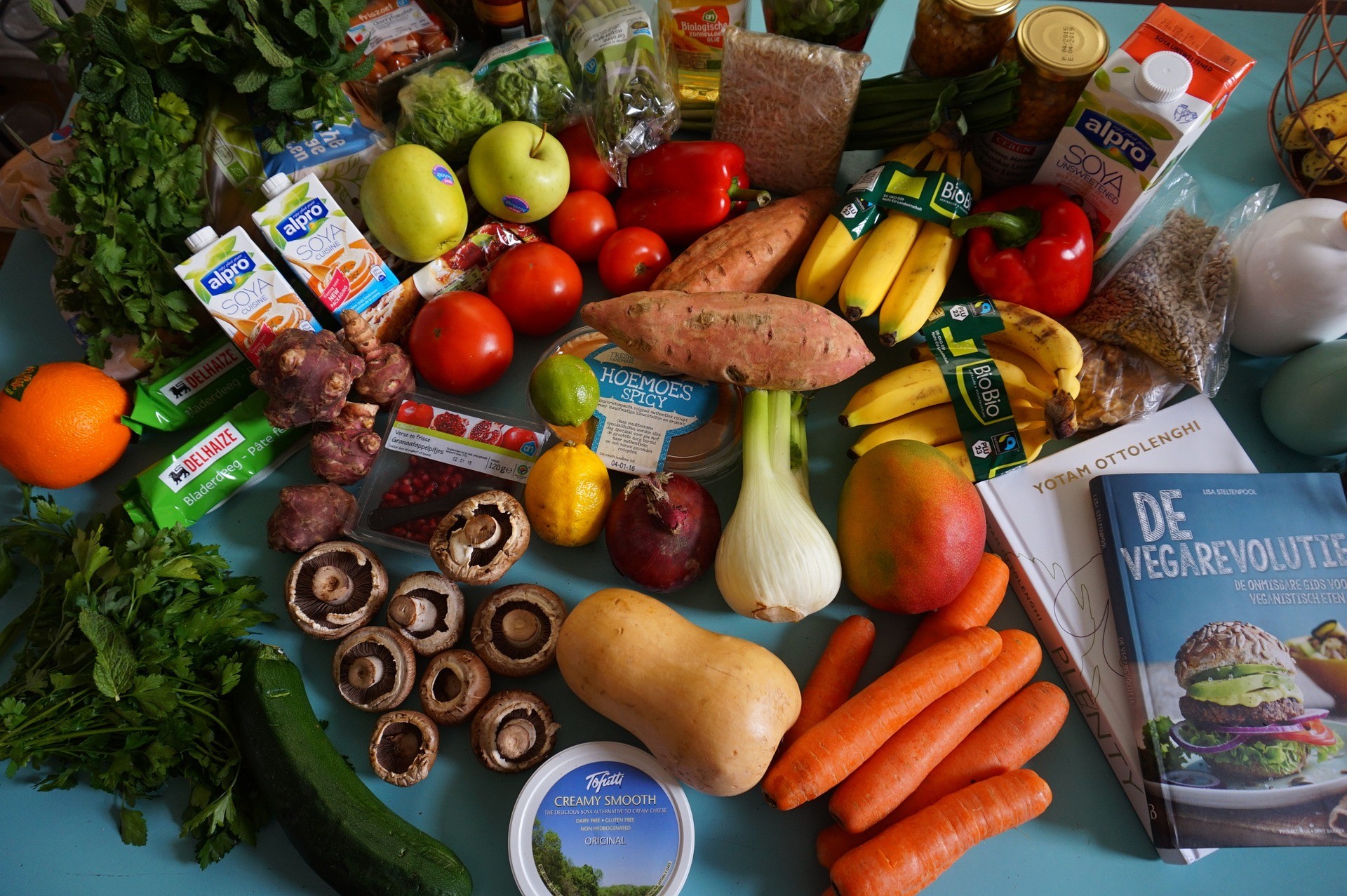

I nutraceuticals or functional foods are foodsthat provide both health benefits to reduce the risk of chronic diseases and basic nutrition. Examples of nutraceuticals are natural foods, including antioxidants, dietary supplements, fortified dairy products and citrus fruits, and vitamins, minerals, herbal products, milk and cereals. (S. Lee , in Applications of Nanotechnology in Food , 2017).
To understand functional foods it is first necessary to understand how the science of nutrition itself has changed. Nutrition has progressed from preventing dietary deficiency and defining nutritional standards, dietary guidelines and food guides, to promoting a state of wellness and health, and reducing the risk of disease.
Nutraceuticals: what they are and why they are important
%%FLI_PROTECTED_2%%
Any of the various classes of unsaturated fatty acids (i.e., omega-6 and omega-3) including the essential fatty acids linoleic acid (omega-6) and linolenic acid (omega-3).
Essential fatty acids are vital for the structure and function of tissues, especially nervous and brain tissues and cellular membranes. Research has shown that omega oils contribute to memory, cognition, lung health, skin integrity, and both health and cardiovascular health, while protecting against Alzheimer’s, depression, asthma, ADHD, and even some types of cancer.
%%FLI_PROTECTED_4%%
They have a protective action on the cardiovascular system, preventing deposits of “bad” cholesterol, triglycerides and blood clots, and are fundamental components and mediators of the nervous system, also providing it protection. Additionally, they keep the cell membrane elastic and permeable, maintain the dermal apparatus in good condition, and mediate the production of other substances essential for the functioning and organic well-being. Omega-3 and 6 are also called vitamin F and are found in foods such as shellfish, nuts, legumes, cod liver oil, flaxseed oil, fish, oilseeds, currants, eggs, grapes, saffron, green leafy vegetables.
Alpha-linolenic acid
An important omega-3 fatty acid for brain and cardiovascular health. (See “Omega-3.”)
Alpha-lipoic acid
An antioxidant coenzyme that may also improve insulin function and counter insulin resistance.
Resistant starch
Starch, such as high-amylose corn, that resists digestion in the small intestine while helping form butyrate and promoting healthy flora in the large intestine. It has proved valuable in weight management and cancer prevention.
Anthocyanins
Potent antioxidants responsible for red, blue, and purple coloration in berries and other plants. (See “Flavonoids.”)
%%FLI_PROTECTED_5%%
Chemical compounds that eliminate reactive oxygen species (ROS), which are byproducts of oxidative reactions that can cause cell damage. (See “ORAC.”)
Beta-carotene
See “carotenoid”, below.
Carnitine
A compound derived from the amino acid lysine; it helps fatty acid metabolism, energy, and growth.
Carotenoids
A class of a group of flavonoid vitamin compounds, such as beta-carotene, related to vitamin A. Found in vegetables, fruit, and red, orange, green, and yellow plants, as well as a range of other food sources. Carotenoids are well studied and have strong antioxidant, anticancer, antitumor, and anticataract properties.
Choline
A saturated amino compound essential for cardiovascular and brain function, as well as for cell membrane structure and repair. It also helps the body use B vitamins and reduce homocysteine levels, helping to prevent heart disease.
Yogurt Cultures
Live and active microbes, particularly lactobacilli, that help promote a healthy colon, help reduce cholesterol, and reduce the risk of colon cancer. Includes Lactobacillus bulgaricus, S. thermophilus, L. acidophilus, L. bifidus, and L. reuteri.
Chromium
A mineral which, in its trivalent form, is considered nutritionally essential even in trace amounts (25-35 micrograms a day). Chromium has been shown to aid glucose metabolism by enhancing insulin’s effects.
Cinnamide
An active chemical compound of cinnamon which in some studies showed to increase insulin response and help manage blood glucose in people with diabetes.
Coenzyme Q-10 (CoQ-10 )
It is a vitamin-like molecule fundamental for energy production in every animal cell that also acts as an antioxidant. It is mainly found in meat, poultry, and fish with smaller amounts in plant sources, particularly nuts and seeds.
Curcumin
An active compound in spices like turmeric and cumin, which has shown strong capacity to help regulate blood glucose.
DHA
Docosahexaenoic acid; one of the omega-3 polyunsaturated fatty acids (oils) important for brain and heart health (see omega-3).
EPA
Eicosapentaenoic acid; an omega-3 polyunsaturated fatty acid important for brain and heart health (see omega-3, below). Ellagic acid – a polyphenolic acid found in berries, grapes, and nuts with high antioxidant capacity.
Epigallocatechin Gallate (EGCG)
EGCG is a natural polyphenolic compound and the most active component of green tea. It is a natural antioxidant that helps prevent damage to healthy human cells and the vascular system.
Falcarinol
An anticancer substance found in vegetables. It has strong antitumor qualities: it is found in carrots, in the celery and in the parsley, but only if raw.
Fiber
Any group of indigestible plant polysaccharides, including cellulose, lignin, pectins, beta-glucans, inulin, and oligosaccharides. Fibers promote intestinal health by normalizing transit time, decreasing the exposure of the intestinal wall to carcinogenic agents, and promoting the growth of healthy bacteria.
Phytochemical
Although literally “plant chemical,” it usually refers to any compound from a plant source that may be beneficial for health. Used interchangeably with “phytonutrients.” So far around 10,000 have been identified, and perhaps just as many remain unidentified.
Phytoestrogens
Also called “plant estrogens,” these phytochemicals exhibit a mild estrogen-like activity. Soybeans are one of the main sources of these well-studied compounds. They may help regulate cholesterol and reduce the risk of some cancers. They might help maintain bone density after menopause and could be slightly helpful in reducing menopausal symptoms. Phytoestrogens, lignans, indoles, coumestans: rich food sources include: soy (par excellence), arugula, whole grains generally, lentils, beans, chickpeas, broad beans, peas, flax seeds, the pumpkin seeds, the sunflower seeds, cabbages e broccoli and also, onion, garlic, raspberries e blackberries. Phytoestrogens are non-steroidal molecules that bind to estrogen receptors, mimicking and modulating their action, exerting an interesting and protective biological effect on our body. They regulate calcium exchange through cell membranes. They constitute a real tool for the prevention and reduction of menopausal symptoms, cardiovascular risk prevention and reduction, osteoporosis risk, breast cancer and endometrial cancer.
Phytosterols
Also called plant sterols, phytosterols are steroid alcohols naturally present in plants. Besides their antioxidant capacity, they have shown a strong ability to help reduce serum cholesterol and protect against cardiovascular diseases.
Flavonoids
The largest class of plant polyphenols, including compounds such as anthocyanins, flavonols, flavones, flavonols, and isoflavones. They act as antioxidants and are believed to also contribute to gene expression and cellular signal regulation, suggesting a second level of protection against cancer.
Folate
A B vitamin also known as folic acid; it helps prevent neural tube defects during fetal growth and development. It also helps prevent cardiovascular diseases and is necessary for building and repairing DNA and RNA, the building blocks of cells. Found in whole grains and nuts.
Fructooligosaccharides (FOS)
Also known as oligofructose, FOS is a short-chain polysaccharide (oligosaccharide) used as a low-calorie sweetener. It has also been shown to be beneficial for gut health by promoting probiotic bacteria (see inulin, below). It may also help increase the absorption of certain minerals such as calcium and magnesium.
Inulin
A short-chain soluble fiber that has been shown to help limit hunger and energy intake by fermenting in the colon, helping to modulate the release of hormones influencing appetite and promoting probiotic bacteria.
Isoflavones
Flavonoid phytochemical compounds, also classified as phytoestrogens (see below) such as daidzein and genistein, found in soy. Highly studied for potential efficacy against certain types of cancer, heart disease, and osteoporosis. Involved in gene expression and cholesterol management and possibly in cognitive function.
Lignan
An antioxidant phytoestrogen found in high amounts in flax seeds and other seeds. Converted in the intestine by gut bacteria into estrogen-like compounds enterodiol and enterolactone.
Lutein
An antioxidant and anti-cataract carotenoid found in eggs, in dark green leafy vegetables and in fruit, in red and orange vegetables and plants. Essential for eye health.
Lycopene
Carotenoid antioxidant found in tomatoes, in watermelon and other red vegetables. Mainly known for its protective effects against cancer, especially prostate cancer, but it can also help regulate blood pressure, reduce the risk and effects of emphysema.
Nutraceutical
A chemical compound, natural or synthesized, that is part of a food or added to a food in order to provide health benefits or help prevent or treat a disease or physical condition.
Polydextrose
A fiber made of dextrose, sorbitol, and citric acid. A low-calorie sweetener, polydextrose acts as a prebiotic fiber to promote gut health.
Polyphenols
Antioxidant flavonols that have been shown to help reduce the risk of cardiovascular diseases, cancer, and the onset of Alzheimer’s disease. Found in high levels in grape seeds and skins, as well as in blackcurrant, pomegranates, yerba mate, green tea, dark chocolate, red wine and virgin olive oil. Prebiotics: compounds that can promote the growth of healthy bacteria in the digestive tract, particularly in the colon.
Probiotic
Any of the numerous beneficial bacteria or yeasts, such as lactic acid bacteria. They convert carbohydrates (such as lactose, milk sugar) into lactic acid, aiding digestion and lowering gastrointestinal pH. See “yogurt cultures”.
Quercetin
A highly bioactive and antioxidant flavonoid compound found in tea and grapes (especially red wine), red onion, capers, apples e cranberries. It acts as a base for a number of other flavonoids. It shows strong anti-inflammatory activity and inhibits the production and release of histamines. It provides a protective effect for our body’s cells against neoplastic degeneration.
Resveratrol
A polyphenolic compound found in the seeds and skins of grapes; studied for its antioxidant and antitumor effects. Also present in blackberries and in peanuts. It slows down the physical-mental decline due to aging and has anticancer and cardioprotective properties.
Selenium
A unique mineral with antioxidant properties; found in nuts and whole grains. Sterol – see “phytosterol” above.
Tocopherol
A natural form of vitamin E with strong antioxidant capacity. Found in nuts, whole grains, and other plant sources, tocopherols are essential for cellular health and protect against cardiovascular diseases and other illnesses.
Tocotrienol
An isomer of vitamin E found in palm oil and other plant sources with strong antioxidant capacity.
Xanthine
An isomer of caffeine found in plants such as yerba mate; although it has a stimulating effect, it is reported to trigger fewer nerve-wracking side effects than caffeine and to be less irritating to the digestive system.
Zeaxanthin
An antioxidant and anti-cataract carotenoid found in eggs, dark leafy green vegetables, and red and orange fruits, vegetables, and plants. Essential for eye health.